Renewable energy creates a record 2.5 million jobs in 2023
In 2023, the renewable energy sector generated 2.5 million new jobs, reaching a total of 16.2 million globally, driven by massive capacity growth in China, according to the International Renewable Energy Agency (Irena).
| Sectors | Wind Energy, Solar Energy, Photovoltaic, Onshore, Alternative Fuels |
|---|---|
| Themes | Markets & Finance, Sector Analysis |
| Companies | Union Européenne |
| Countries | Brazil, China, Indonesia, India, United States |
The renewable energy sector experienced a record increase in job creation in 2023, marking the strongest growth observed by the International Renewable Energy Agency (Irena). According to the joint report by Irena and the International Labour Organization (ILO), the total number of jobs in the sector rose from 13.7 million in 2022 to 16.2 million, an 18% increase.
This growth was primarily driven by China, which added 1.84 million jobs, representing nearly 46% of the global total in the sector. The country now has 7.4 million jobs in renewable energy, followed by the European Union (1.8 million) and Brazil (1.56 million). The United States and India also rank among the key players, each accounting for nearly one million workers.
Significant regional disparities
The report highlights major disparities between regions. Africa, despite its considerable energy potential, had only 324,000 jobs in 2023. Irena expressed concern about the lack of investment on the continent, despite significant opportunities for renewable energy development.
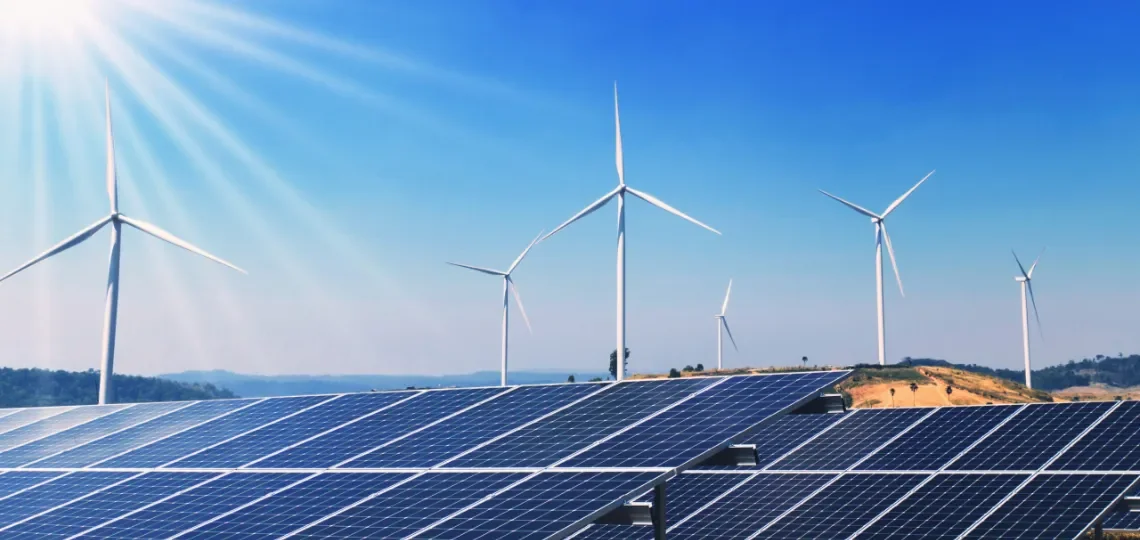
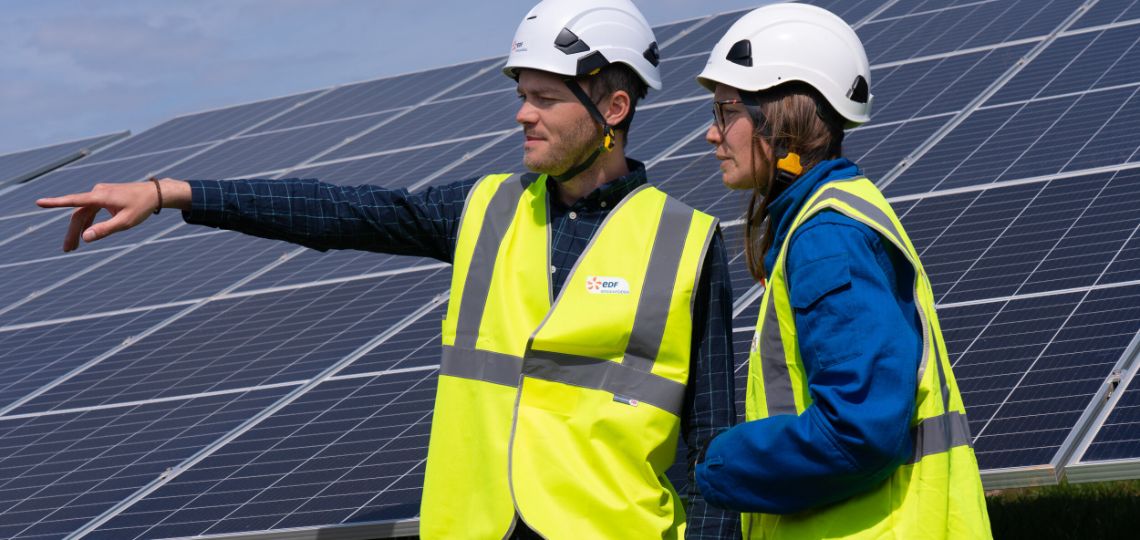
Conversely, photovoltaic solar energy continues to dominate the global employment market with 7.2 million jobs, more than 63% of which are concentrated in China, the world’s leading producer and installer of these systems. The liquid biofuels segment occupies second place with 2.8 million jobs, primarily led by Brazil and Indonesia.
Wind energy rises while hydropower declines
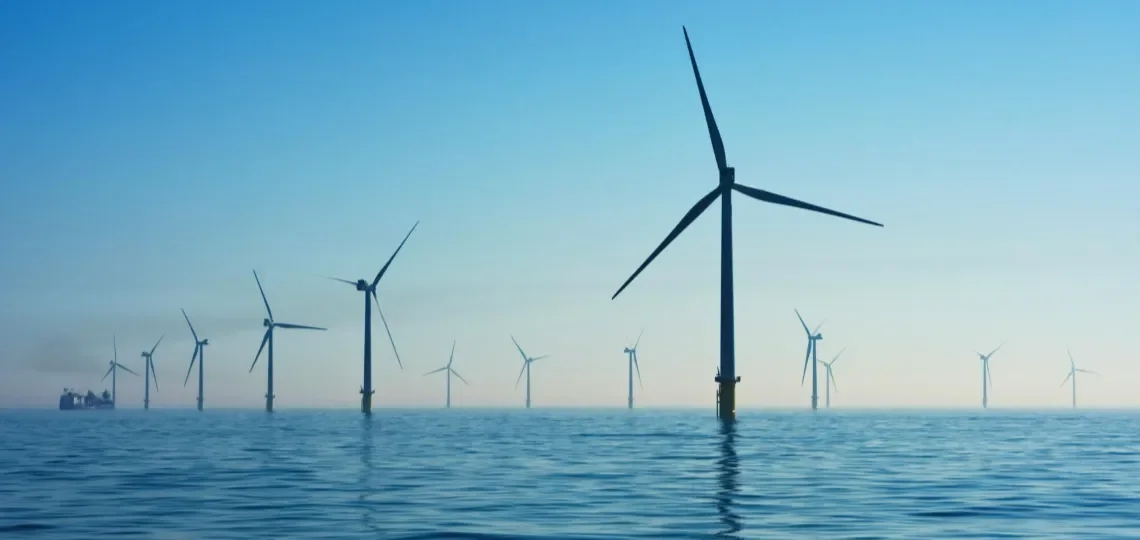
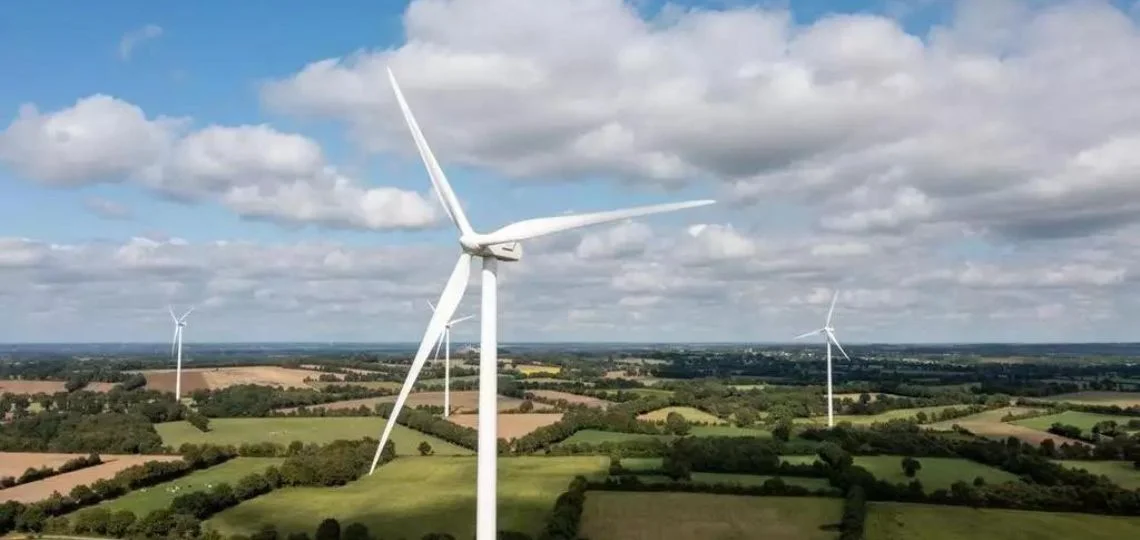
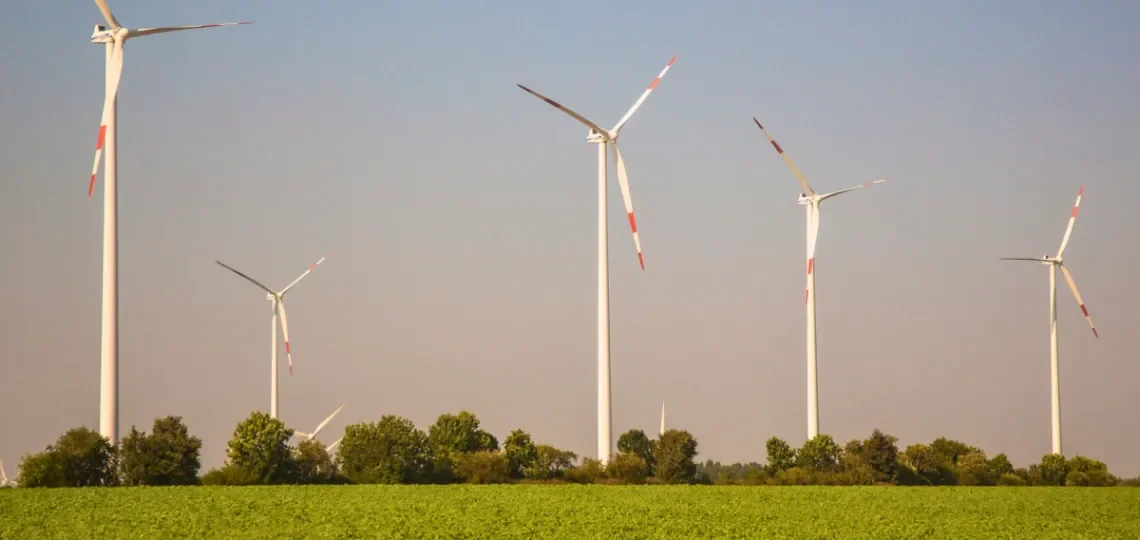
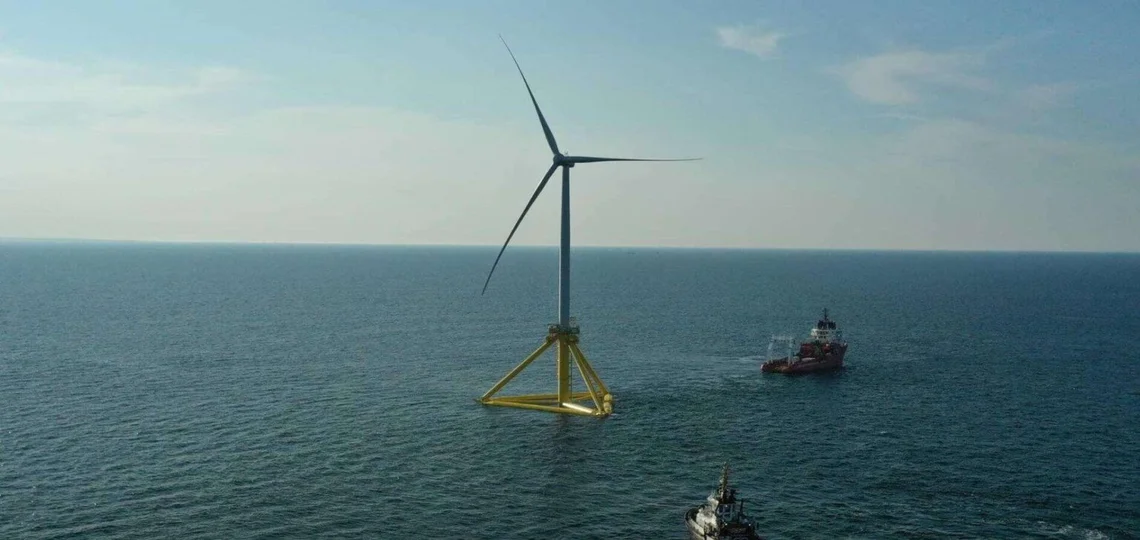
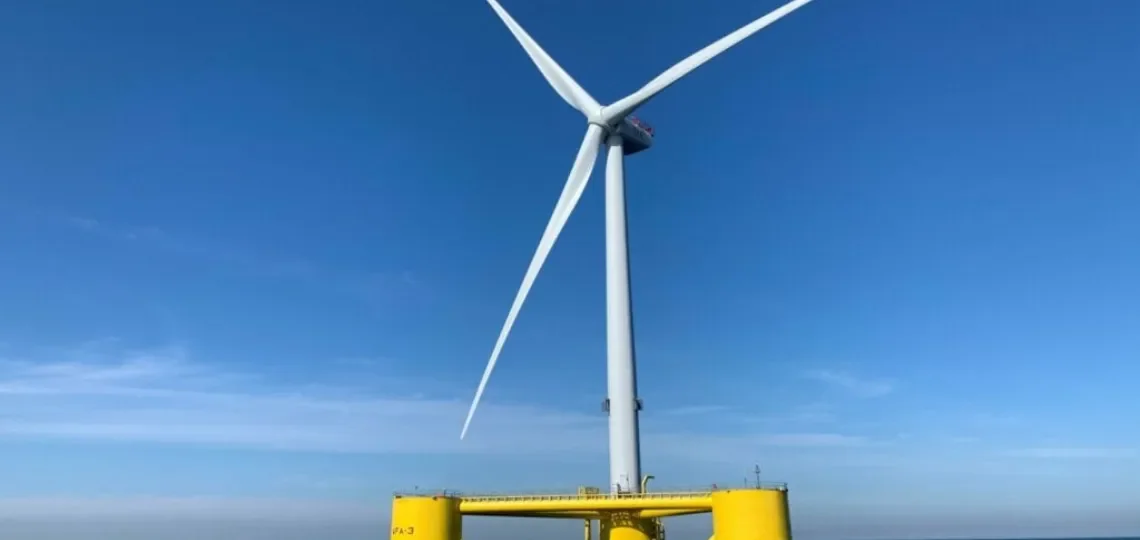
Wind energy ranks as the third employment segment with 1.5 million jobs, 52% of which are based in China and 21% in Europe. This growth is supported by the multiplication of wind projects, mainly in Asia and Europe. However, hydropower, traditionally a cornerstone of renewable energy, is the only subsector to have seen a decline in its workforce. The number of jobs in this segment decreased from 2.5 million in 2022 to 2.3 million in 2023, reflecting a drop in activity in key markets due to increased competition from wind and solar energy.
Challenges and opportunities for the future
Despite strong overall growth, the report highlights several challenges. Insufficient investment in certain regions, evolving public policies, and the ability to train a skilled workforce remain priorities. To achieve global energy transition goals, Irena emphasizes the need to support job growth in all regions, particularly in Africa and Latin America, and to develop local supply chains for green technologies.
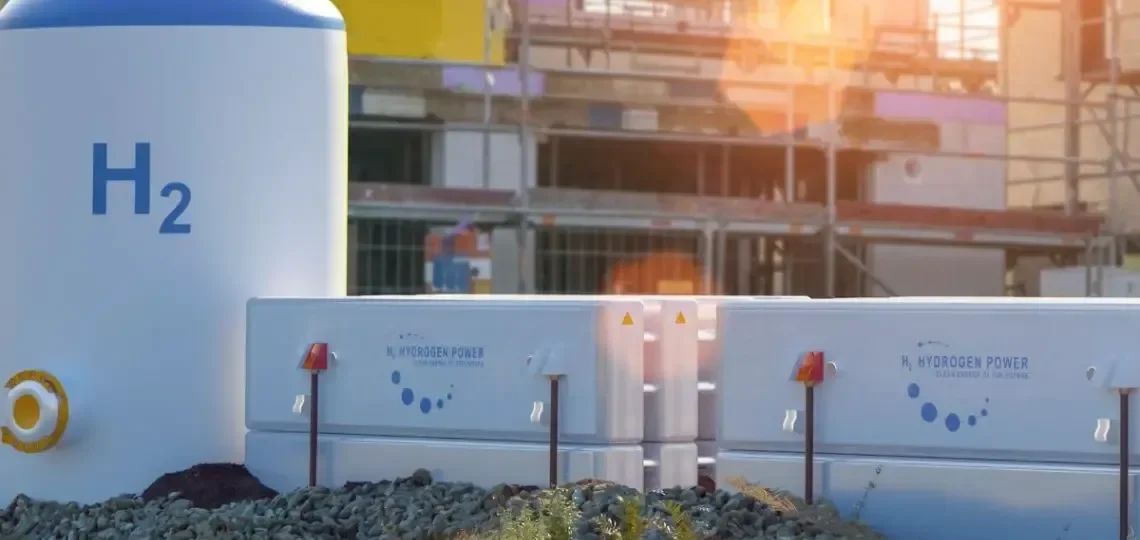
In the long term, the renewable energy sector could continue to generate more jobs, driven by the growing demand for low-carbon solutions and the commitment of many countries to achieve carbon neutrality. The expansion of emerging segments such as hydrogen and energy storage could also diversify and stabilize the geographic distribution of jobs in the sector.