India targets 500 GW of non-fossil electricity capacity by 2030
India has set a target of 500 GW of non-fossil electricity capacity by 2030, with solar and wind expected to provide the majority, alongside a projected 208 GWh battery storage requirement.
| Sectors | Solar Energy, Photovoltaic, Wind Energy, Onshore, Energy Storage, Batteries |
|---|---|
| Themes | Regulation & Governance, Public Policy |
| Countries | India |
India has set a target of 500 gigawatts (GW) of installed electricity generation capacity from non-fossil fuel sources by 2030. Solar and wind energy are expected to account for the majority of this total, according to government guidelines. India's renewable momentum is also reflected in growing demand for green energy procurement among industrial players, as illustrated by LGE India, which signed 20.80 MWp in solar power purchase agreements (PPAs) to decarbonize its factories. To meet this national target, the government has implemented a series of coordinated measures to promote the development and deployment of energy storage technologies.
Battery storage: 208 GWh projected by 2030
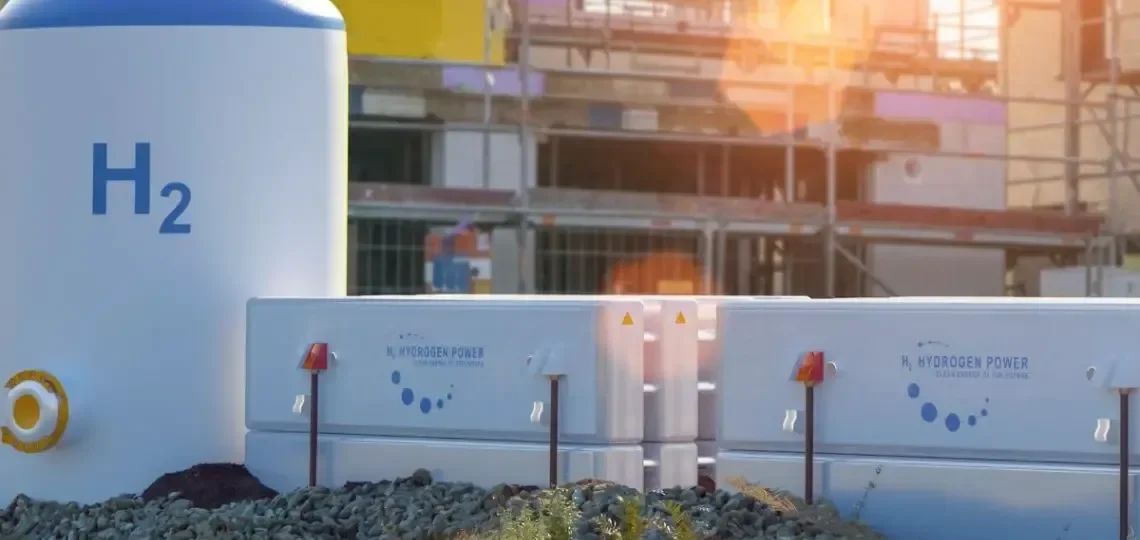
Among these priorities is the deployment of Battery Energy Storage Systems (BESS). The Indian government indicates it has put in place several mechanisms to promote these technologies at scale. Scaling up storage is a key condition for integrating renewable energy into the national electricity grid. These storage challenges extend beyond India's borders: Transgrid recently secured up to 2 GW of batteries to strengthen the New South Wales grid, in Australia.
India's National Electricity Plan puts the projected BESS requirement at 208 gigawatt-hours (GWh) by 2030. This volume is presented as necessary to enable seamless integration of renewable generation into the national grid. The 500 GW non-fossil capacity target thus requires precise planning of storage infrastructure, with the government identifying BESS as a structural lever in transforming India's electricity mix.