IRENA Confirms 692 GW of New Renewable Energy Capacity Installed in 2025
Global renewable capacity surpassed 5,149 GW in 2025 with 692 GW of new additions, 75% driven by solar energy, according to IRENA. Regional disparities persist despite a record expansion.
| Sectors | Solar Energy, Photovoltaic, Wind Energy, Marine & Hydraulic Energy, Hydroelectricity |
|---|---|
| Themes | Markets & Finance, Sector Analysis |
| Companies | Doral Renewables, Nordex |
| Countries | China, India, Saudi Arabia, Ethiopia, Japan |
In 2025, global renewable energy capacity reached 5,149 gigawatts (GW) following the net addition of 692 GW, representing a 15.5% annual increase, according to the Renewable Capacity Statistics 2026 report published by the International Renewable Energy Agency (IRENA). Renewables now account for 85.6% of the total expansion in global installed electrical capacity, with fossil fuel sources representing a diminishing share of new additions. These results come against a backdrop of escalating geopolitical tensions, particularly in the Middle East, which has renewed concerns over fossil fuel supply security and price volatility.
Solar energy, the dominant driver of renewable growth
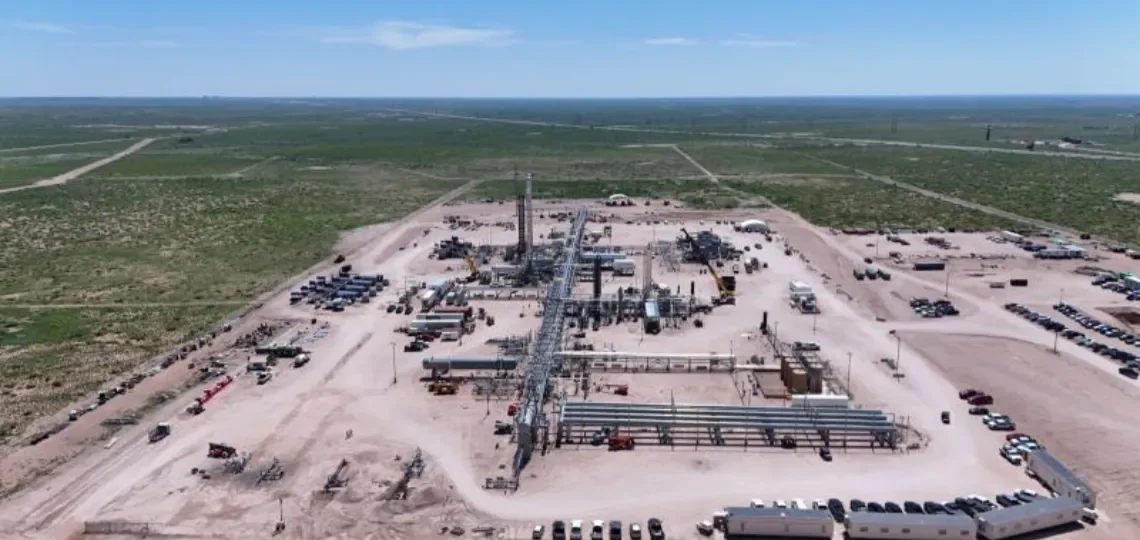
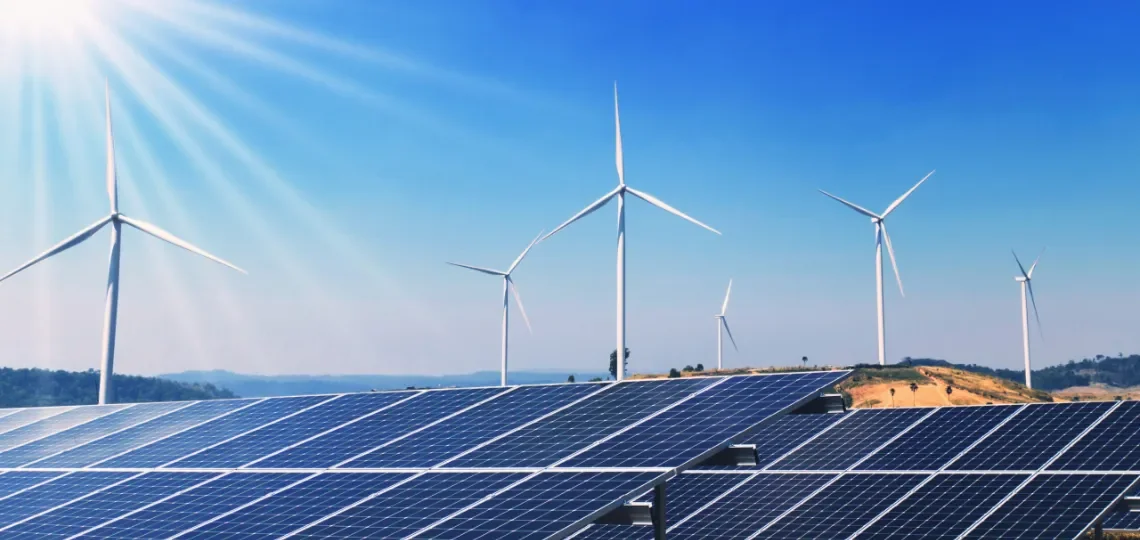
Solar energy contributed 511 GW to new renewable capacity, representing approximately 75% of the year's additions. Photovoltaic (PV) technology accounted for the vast majority of this growth, with 510.3 GW out of the 511.2 GW total new solar capacity recorded in 2025. This dynamic is reflected at the project level: Doral Renewables closed financing for 430 MWac of solar capacity in Texas, illustrating the sustained pace of investment in the sector.
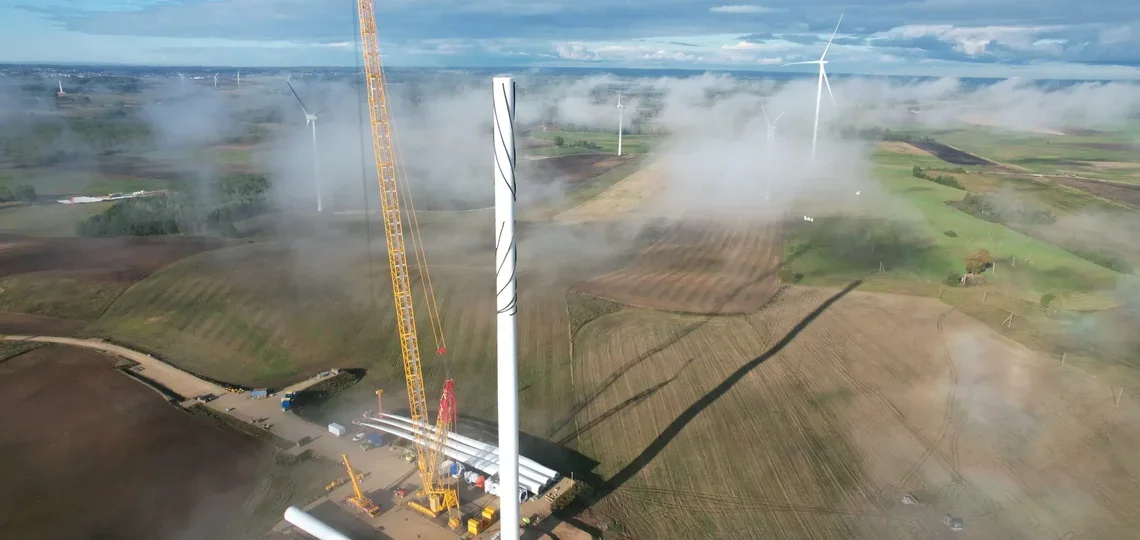
Wind energy ranked second with 158.7 GW of new additions, a record level representing 14% growth compared to 2024. China concentrated 119.4 GW of this expansion, accounting for nearly three-quarters of the global total, while India recorded an increase of 6.3 GW. This pace is reflected in manufacturers' order books, with projects such as Nordex's order for six N163 turbines at the Peckelsheim wind farm and the installation of the first turbine at the Hai Long project in Taiwan. Together, solar and wind captured 96.8% of all new net renewable capacity for the year, benefiting from the steepest cost reductions across all renewable technologies.
Asia leads, Africa and the Middle East post strong gains
Asia concentrated 74.2% of new global renewable capacity, with 513.3 GW added at a growth rate of 21.6%. In terms of total installed capacity, the region leads with 2,891 GW, far ahead of Europe, which recorded 934 GW. Central America and the Caribbean had the lowest renewable capacity at 21 GW in 2025, highlighting the persistence of significant regional disparities.
Africa posted its strongest ever increase in renewable capacity, with a 15.9% rise corresponding to 11.3 GW of additions, driven by Ethiopia, South Africa and Egypt. The Middle East recorded the highest annual growth rate of any region at 28.9%, led by Saudi Arabia. These dynamics point to a growing geographic diversification in renewable energy deployment, even as the pace remains uneven across regions.
Hydropower, bioenergy and technology highlights
Hydropower (excluding pumped storage) contributed 18.4 GW to 2025 additions, with 96% attributable to China. Ethiopia, India, Tanzania, Bhutan, Vietnam, Canada, Austria, Indonesia and Nepal each added more than 0.5 GW of hydroelectric capacity. Bioenergy grew by 3.4 GW with 2.3% annual growth, led by Japan, which more than doubled its bioenergy additions compared to 2024 with 1.1 GW, followed by China with 0.8 GW and Brazil with 0.6 GW.
IRENA Director General Francesco La Camera states that countries that have invested in the energy transition are navigating the current period of uncertainty "with less economic damage", while reinforcing their energy security and competitiveness. According to him, a more decentralized energy system with a growing share of renewables is "structurally more resilient." The report also notes that geothermal energy grew at a pace similar to previous years.