UK Grants $81 Million to Port Talbot for Celtic Sea Floating Wind Hub
The British government grants £64 million to Associated British Ports to develop Port Talbot into the Celtic Sea's first dedicated floating offshore wind port, targeting 4.5 GW of capacity.
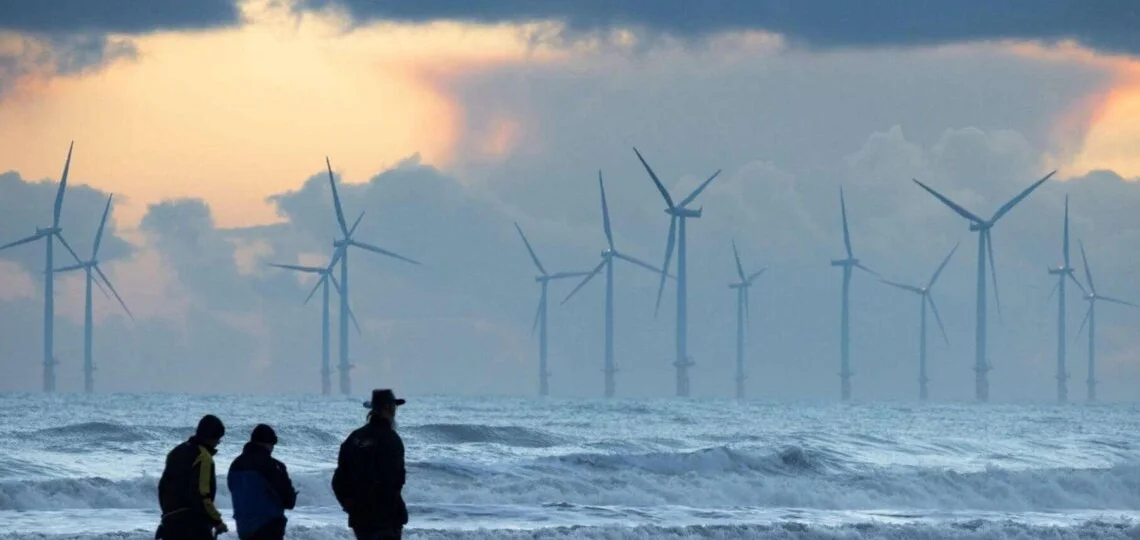
The British government has awarded a grant of $81 million (£64 million) to Associated British Ports (ABP) to transform Port Talbot, in Wales, into the Celtic Sea's first dedicated floating offshore wind hub. The funds are intended to allow ABP to complete the essential design and engineering work needed to build the new port terminal. The financing agreement remains subject to the mandatory Subsidy Advice Unit referral and final government approvals.
4.5 GW of Capacity for the Celtic Sea
According to the government, the new infrastructure would unlock at least 4.5 gigawatts (GW) of floating offshore wind projects in the Celtic Sea — seabed rights largely awarded through last year's leasing round organized by The Crown Estate — enough to power 6.5 million British homes. The UK is joining a broader international drive in offshore wind development: Taiwan recently launched a third selection phase covering 3.6 GW of offshore capacity.
ABP anticipates that, once operational, the port would mobilize over $635 million (£500 million) in additional investment at Port Talbot and support thousands of skilled jobs. Henrik L. Pedersen, Chief Executive Officer of ABP, called the financing agreement a "critical step" toward establishing Port Talbot as a "cornerstone" of the Celtic Sea floating offshore wind industry, emphasizing the importance of the UK capturing the "full economic benefit" of this emerging sector.
Port Talbot at the Heart of Welsh Industrial Regeneration
Port Talbot is undergoing a major industrial transition following the scaling back of Tata Steel's steelmaking operations. The British government says it has committed $635 million (£500 million) toward the construction of a new Electric Arc Furnace (EAF) at the Tata Steel site, along with $127 million (£100 million) in direct support for steelworkers. A separate envelope of $155 million (£122 million) has, according to the government, been fully allocated to training for Tata Steel employees and local businesses.
Jo Stevens, Secretary of State for Wales, described the announcement as "a significant moment for Port Talbot and a major step forward for the growing clean energy industry in Wales." The government projects that the floating offshore wind port will create up to 5,000 new jobs in the Port Talbot area and across South Wales. Energy Secretary Ed Miliband also referenced the planned development of small modular reactors (SMRs) at Wylfa as another pillar of the government's energy ambitions for Wales.
Floating Offshore Wind: Technology for Deep Waters
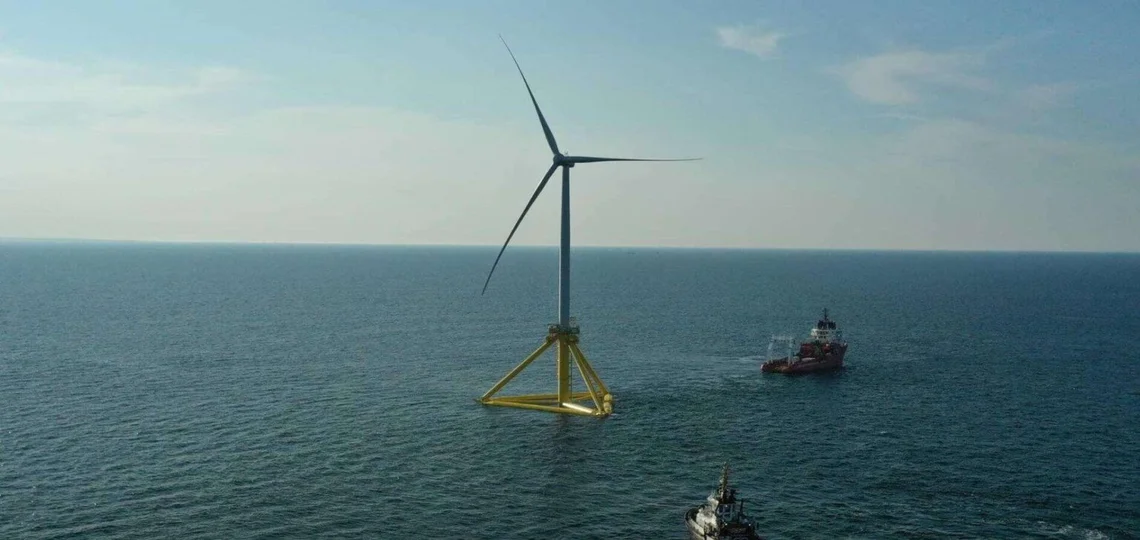
Floating offshore wind differs from conventional offshore wind in that turbines are installed in deeper waters, where wind speeds are higher and more consistent. The government describes the Celtic Sea as offering "some of the best conditions for floating offshore wind in Europe," citing its bathymetric and wind characteristics. This type of infrastructure requires specialized port facilities for the assembly, maintenance, and deployment of floating structures — a rationale the government uses to justify the dedicated port investment.
This funding is part of a broader industrial strategy: the British government has published a Steel Strategy backed by up to $3.17 billion (£2.5 billion), targeting a 50% share of domestic steel demand and securing the steel industry's role in key sectors including infrastructure and defense.