Ireland exits coal permanently with closure of Moneypoint power plant
Ireland ends four decades of coal-based electricity production by converting its Moneypoint power plant to heavy fuel oil, now exclusively reserved for the balancing market until 2029.
| Sectors | Wind Energy, Coal, Onshore |
|---|---|
| Themes | Markets & Finance, Sector Analysis |
| Countries | France, United Kingdom, Ireland |
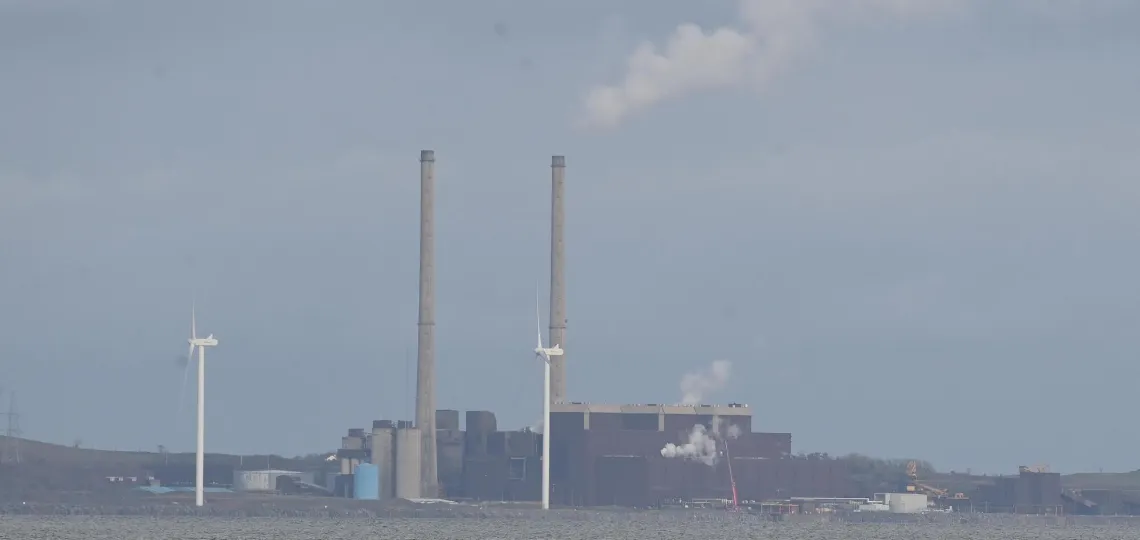
Ireland has officially turned the page on coal-fired electricity generation with the full conversion of the Moneypoint power plant to heavy fuel oil. This plant, located on the country’s southwest coast, operated on coal for nearly forty years and historically represented a significant share of Ireland’s electricity capacity. It will now exclusively serve as an emergency backup unit, operating under the strict control of the Irish transmission system operator EirGrid, until the end of 2029. This decision comes amid a broader diversification of Ireland’s energy mix, reflecting increased reliance on renewable energies and electricity imports.
A limited role in the balancing market
According to operator Electricity Supply Board (ESB), Moneypoint will now fulfill only a balancing role, operating strictly under direct instruction from EirGrid within the national balancing market framework. This conversion to heavy fuel oil was officially approved in October 2024 by the Irish planning authority, An Bord Pleanála. The plant will therefore operate at limited capacity, intervening exclusively during significant stress events on the electrical grid. This decision highlights the country’s strategy to secure its electricity supply while progressively reducing dependence on fossil fuels.
Energy transition and diversification of sources
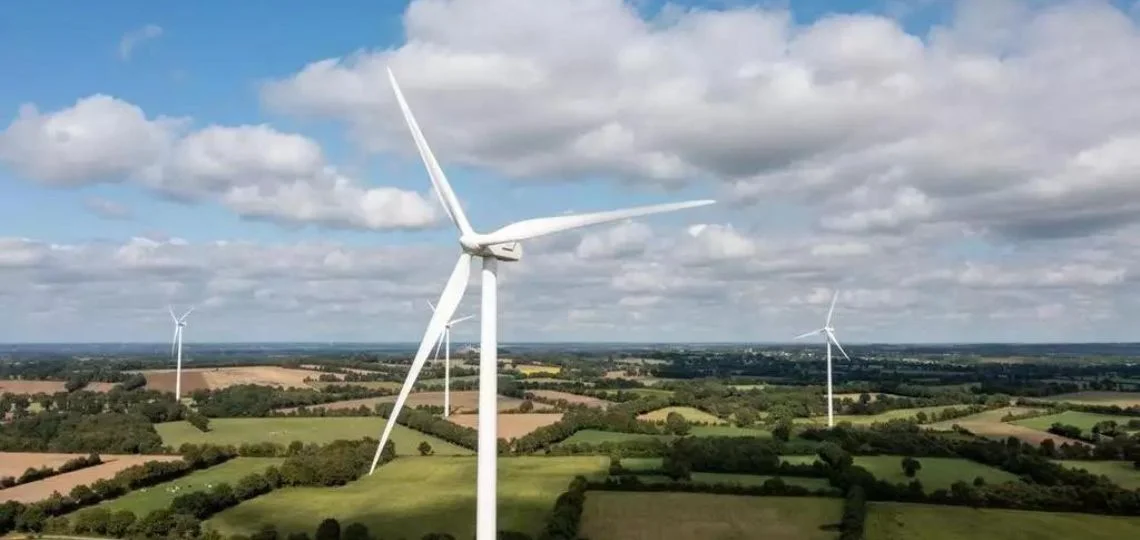
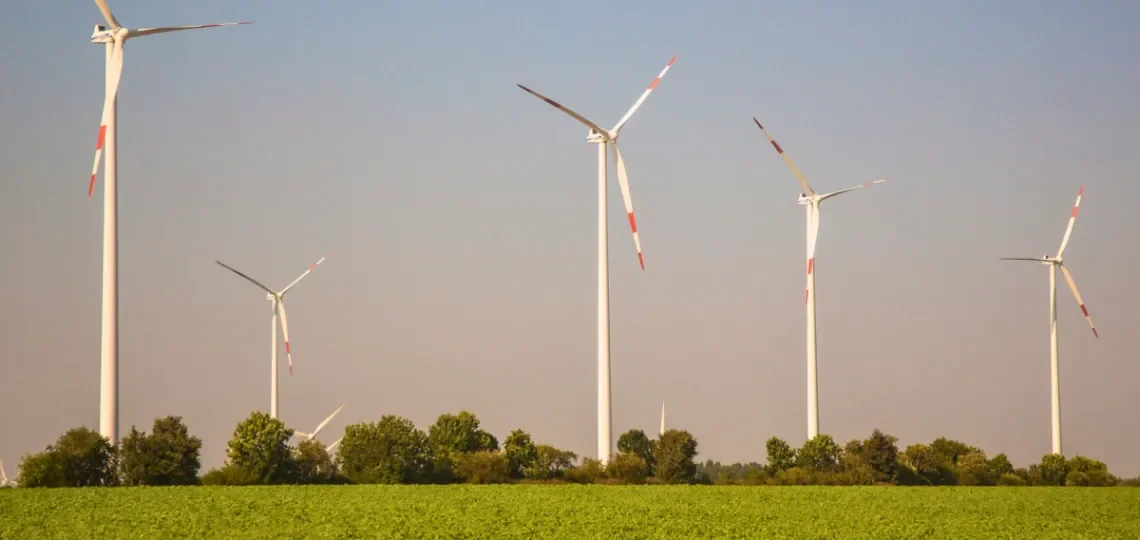
The evolution of Ireland’s electricity production over recent years clearly indicates a declining reliance on coal. Renewable energy sources, particularly onshore wind, have become central to the national energy mix, now representing the largest electricity source, ahead of natural gas. Electricity imports also form an essential component of the country’s energy supply, with three existing interconnections to Great Britain and a new connection with France, the Celtic Interconnector, operational from 2026. This diversification addresses challenges in energy security and grid stability for Ireland.
Key figures of Irish electricity production
Over the past two years, coal-fired electricity production has significantly decreased to approximately 2 terawatt-hours (TWh), while fuel oil-based generation accounted for around 3 TWh over the same period. Meanwhile, net electricity imports exceeded 4 TWh, underscoring the increasing importance of interconnections in maintaining grid stability. These import capacities, combined with the significant rise in onshore wind power generation, have enabled the country to navigate its energy transition without causing major disruptions to the electrical grid. This development will be closely monitored by stakeholders across the European energy sector, attentive to models of energy diversification.