GE Vernova posts 11% revenue increase in Q1 2025
GE Vernova reported strong performance in Q1 2025, with an 11% revenue growth driven by high energy demand. The company remains confident for 2025 despite trade tensions.
| Sectors | Wind Energy, Nuclear Energy, Offshore, Fission, Onshore |
|---|---|
| Themes | Markets & Finance, Results |
| Companies | GE Vernova, General Electric |
| Countries | United States |
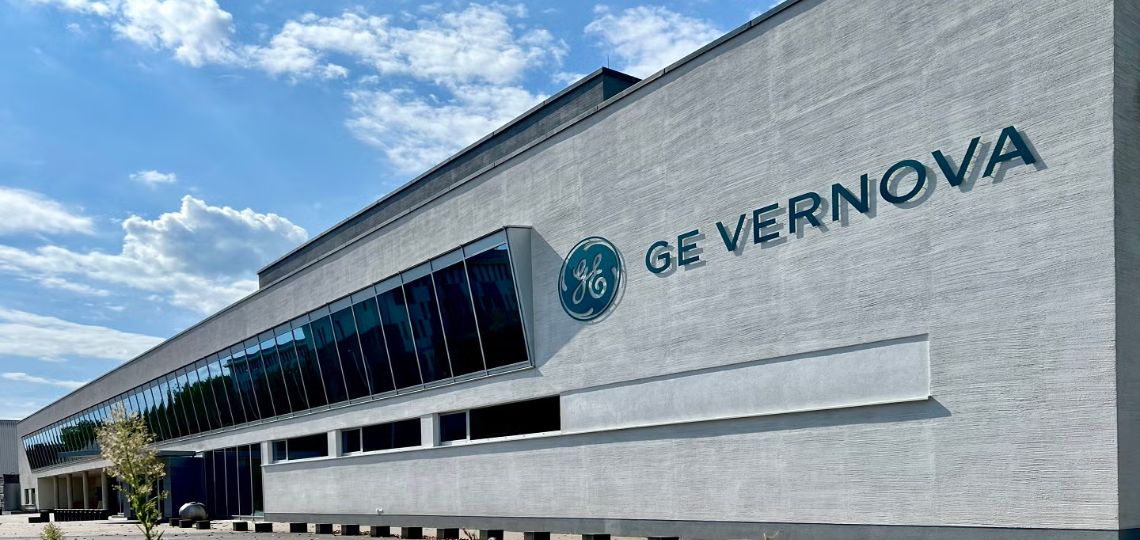
GE Vernova, the energy division of the former General Electric conglomerate, reported solid financial results for Q1 2025. The company achieved a revenue of $8 billion, an 11% increase compared to the same period last year. This performance exceeded analysts’ expectations, supported by higher demand for its services and equipment. Net income reached $264 million, compared to a loss of $106 million in Q1 2024, marking a significant improvement in profitability.
Scott Strazik, CEO of GE Vernova, expressed satisfaction with these results. “We have delivered strong results in the first quarter, and our operations have continued to perform well. We have grown our equipment and services order book, significantly improved our margins in each segment, and returned a significant amount of capital to our shareholders,” he said. Orders increased by 8%, reaching $10.2 billion during this period.
Growth across divisions
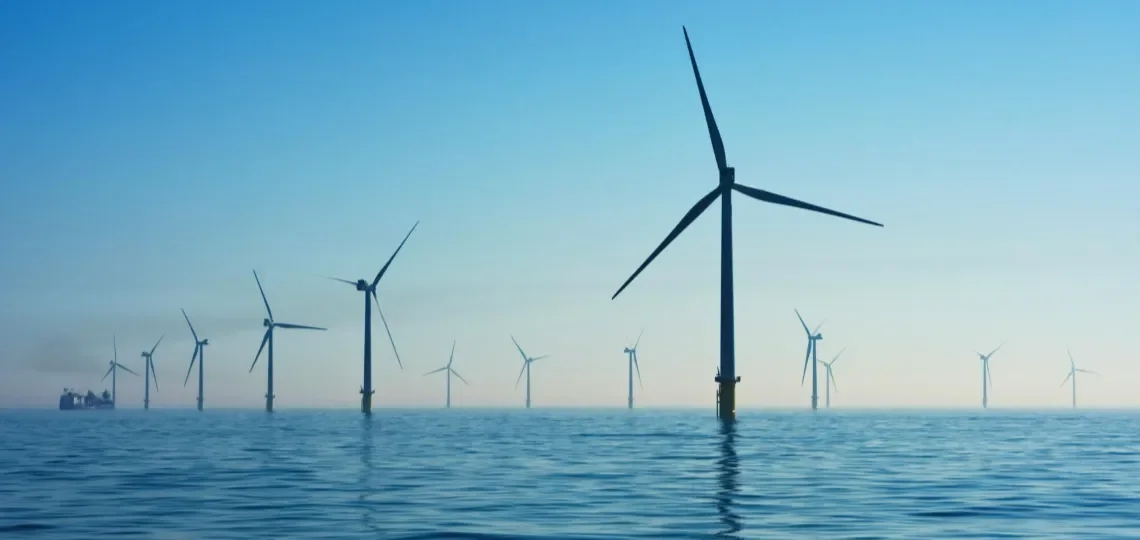
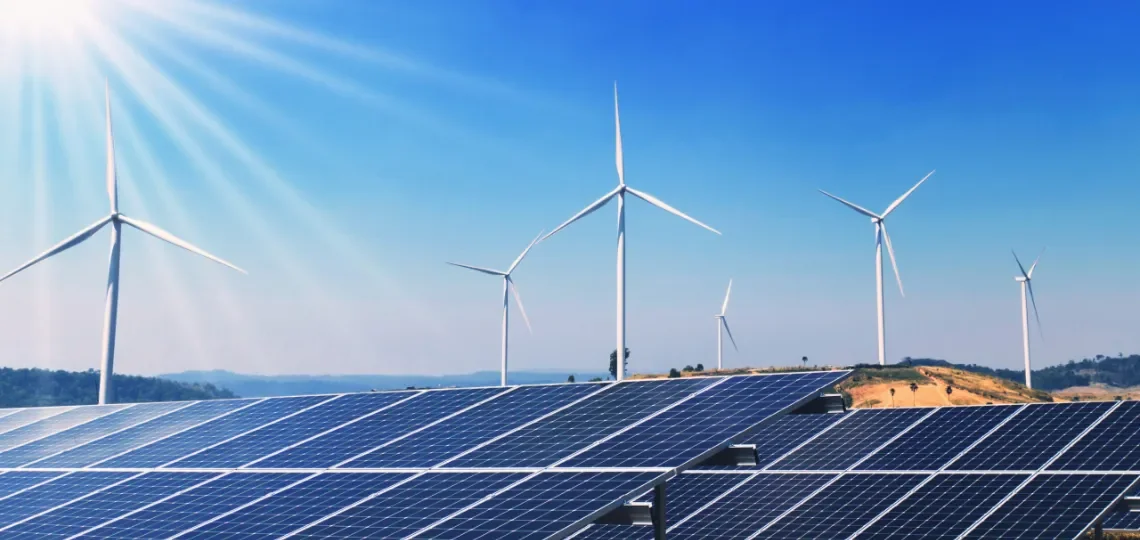
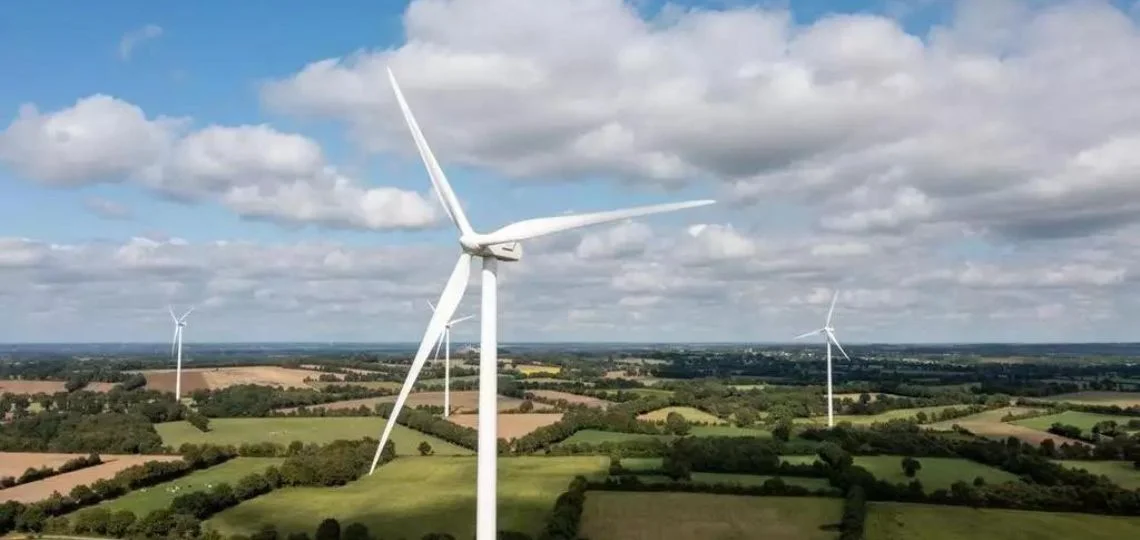
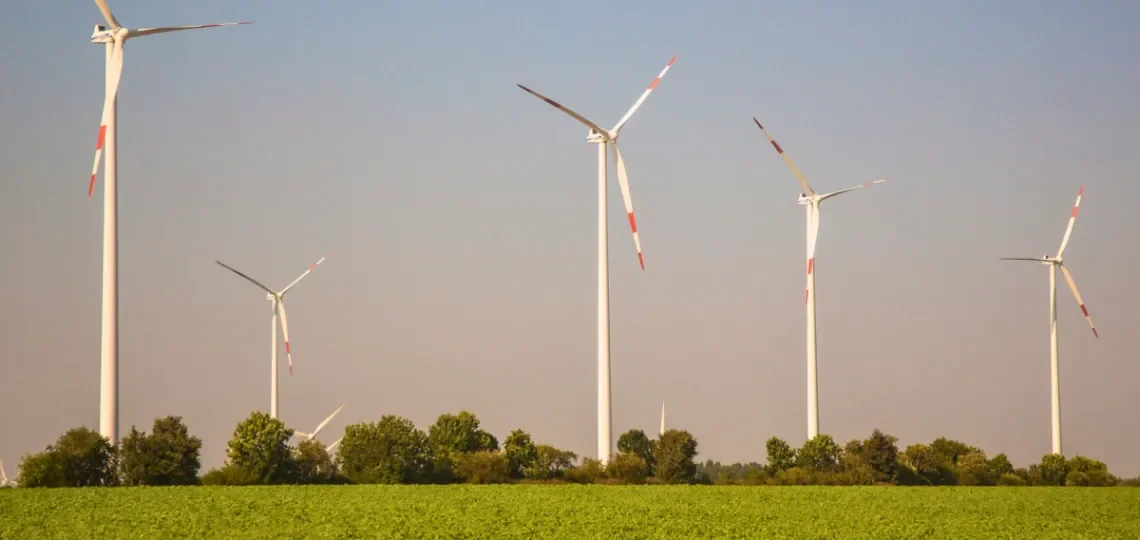
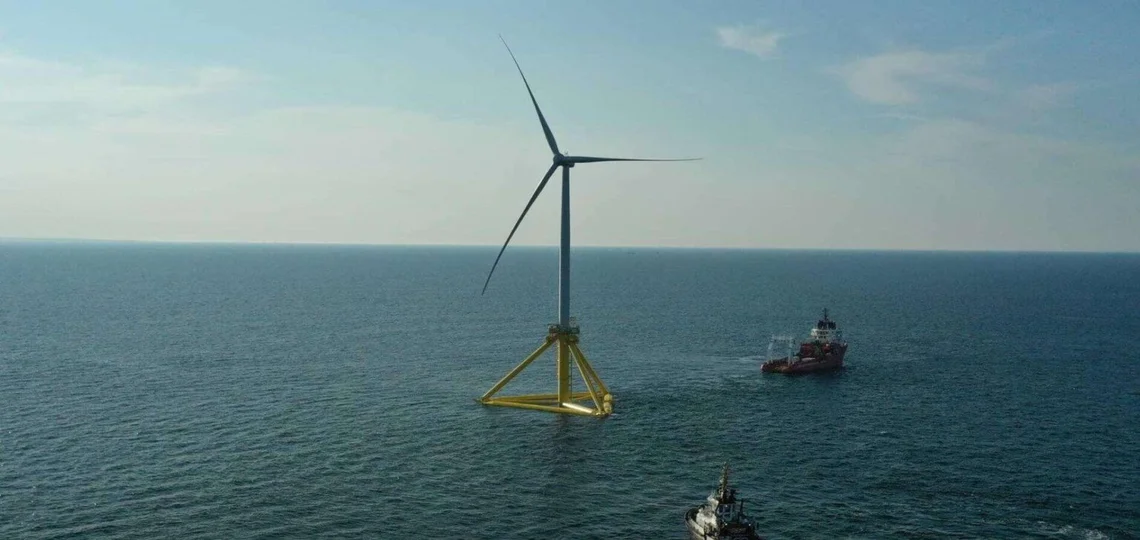
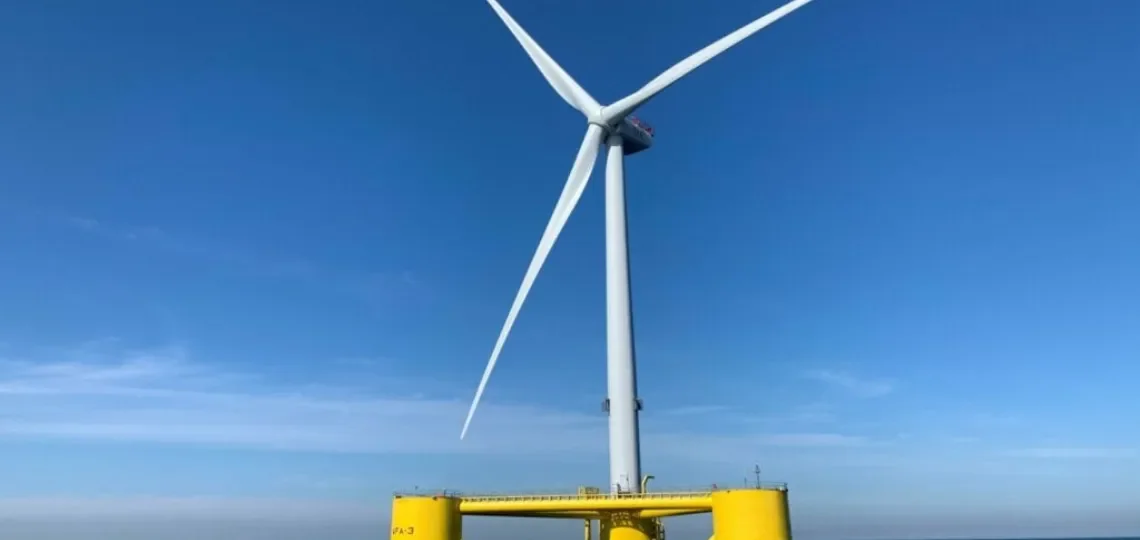
The Power division, which includes hydropower, nuclear, gas, and steam sectors, saw a 10% increase in quarterly revenue, reaching $4.4 billion, driven by high demand for gas equipment. The Wind division, focused on onshore and offshore wind, saw a 13% growth in revenue, totaling $1.8 billion, driven by expansion in onshore wind. Finally, the Electrification division, covering grids, solar energy, storage solutions, and software, grew by 14%, reaching $1.9 billion, thanks to strong demand in grid infrastructure.
Outlook for 2025
Despite challenges from the trade war and inflation, GE Vernova has maintained its forecasts for 2025. The company is targeting annual revenue between $36 billion and $37 billion, with cash flow between $2 billion and $2.5 billion. The company stated that it is “well positioned to navigate the current dynamic environment,” despite the impact of tariffs and inflationary pressures.