US wind installations drop 15% but rebound expected in 2027
US wind capacity fell in Q2, but developers anticipate a sharp increase by late 2025, with 46 GW of new capacity forecast by 2029 and a peak in 2027.
| Sectors | Wind Energy, Onshore, Offshore |
|---|---|
| Themes | Markets & Finance, Sector Analysis |
| Companies | American Clean Power Association, Wood Mackenzie |
| Countries | United States |
Wind power installations in the United States decreased by 15% year-on-year over the first nine months of the year, reaching 3.8 gigawatts (GW), according to the quarterly U.S. Wind Energy Monitor report published by Wood Mackenzie and the American Clean Power Association. In the second quarter alone, activity dropped by 60% compared to the same period in 2024, with only 593 megawatts (MW) connected.
A rebound expected from the fourth quarter
Despite the slowdown, momentum is projected to shift by year-end, with more than half of the forecast capacity expected to come online in the fourth quarter. The annual total could therefore reach 7.7 GW. This uptick is driven by developers rushing to complete projects before the expiration of federal tax credits. These incentives remain a key driver for shovel-ready projects, which are fully permitted and have turbines already ordered.
Regulatory uncertainty and tariff pressure
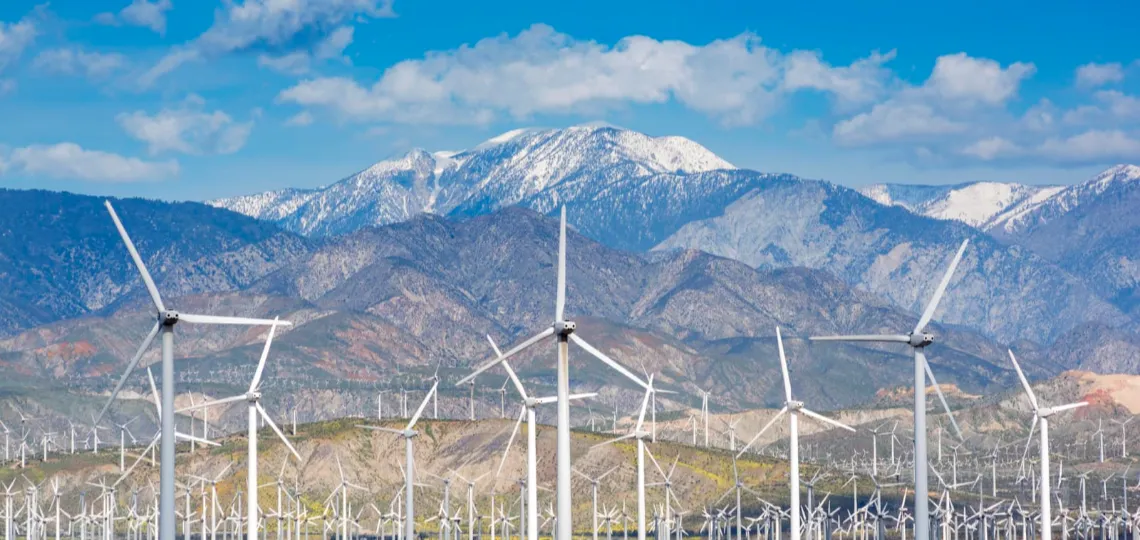
The onshore wind market saw its outlook increase by 3.6% over the last quarter, with a 2.4 GW rise in newly planned builds. However, caution prevails. Ongoing tariff investigations, led by the U.S. Department of Commerce for national security reasons, could impact up to one-third of total project costs. This context led to a slowdown in turbine orders during the first half of 2025.
A shifting geography of development
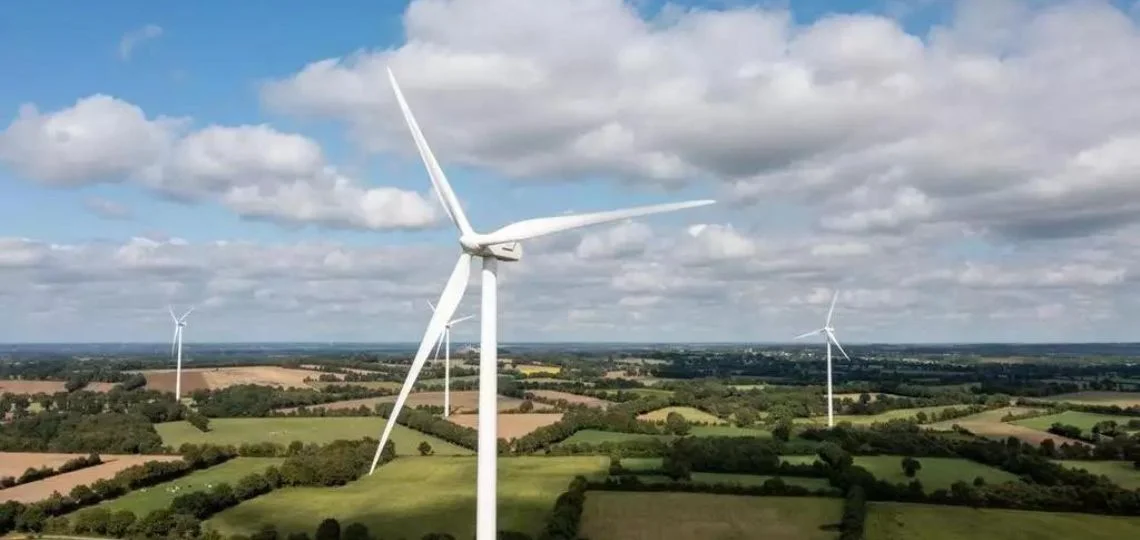
Western states are expected to account for 31% of installations through 2029, followed by the Midwest, which is set to lead in 2027 and 2028. Illinois is poised to surpass Texas with more than 1.8 GW of new capacity planned for 2027. This regional redistribution reflects a strategic repositioning by developers in response to permitting timelines and infrastructure availability.
Offshore segment faces federal uncertainty
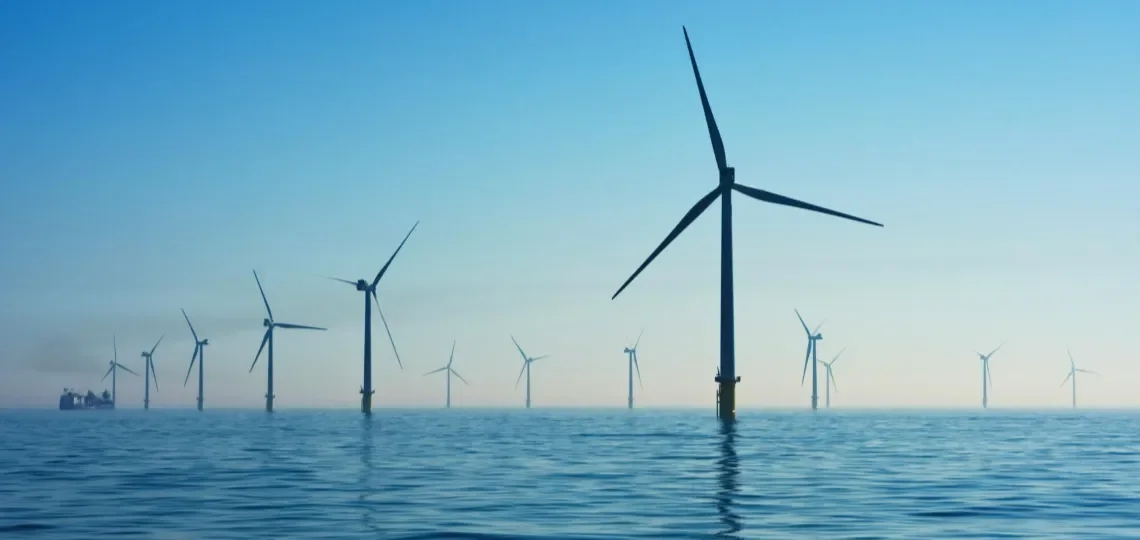
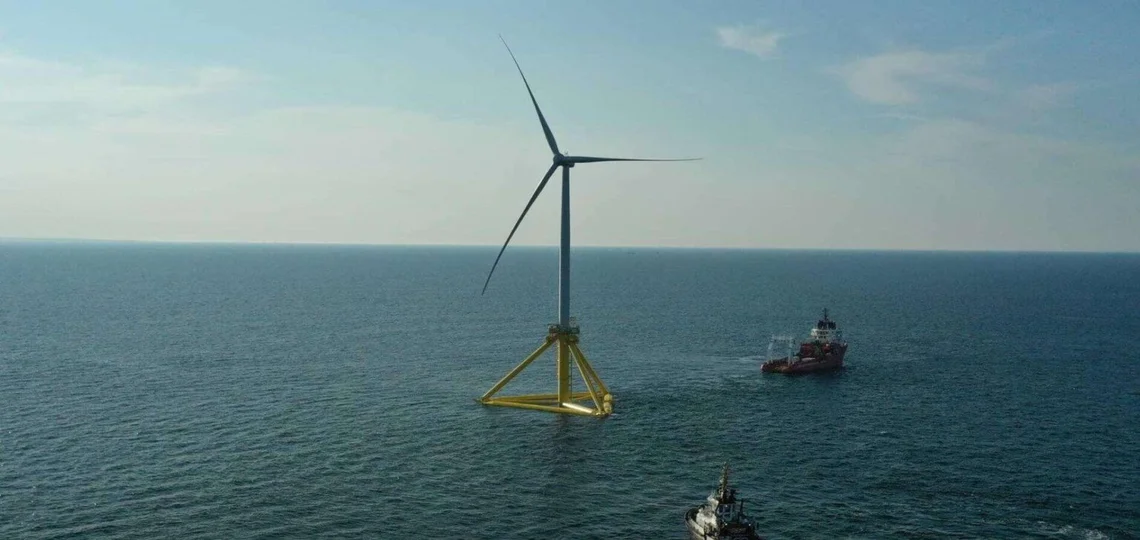
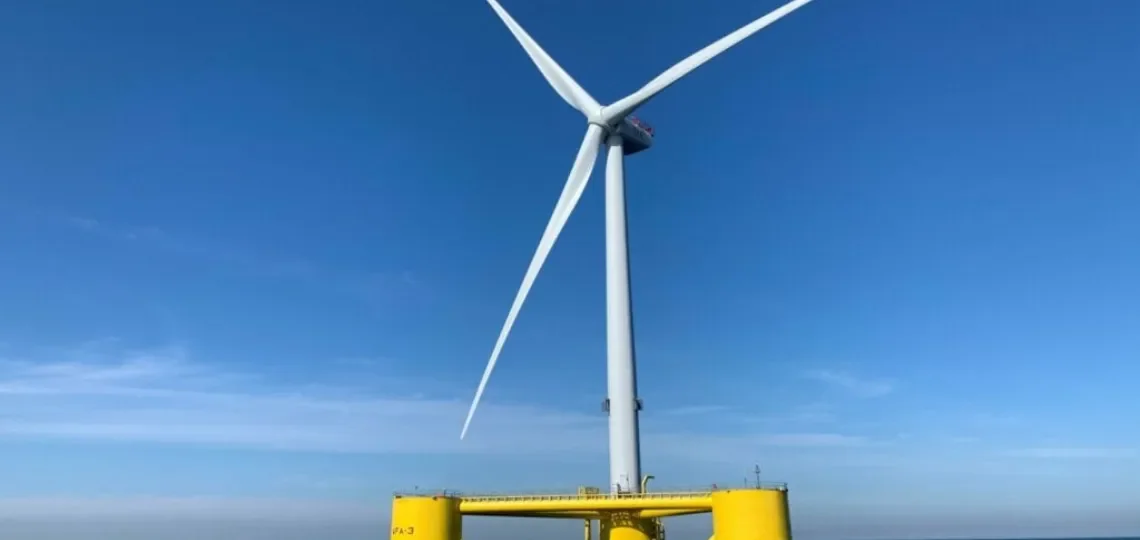
The offshore wind segment is expected to add 5.9 GW by 2029, concentrated in 2026 and 2027. However, recent federal stop-work orders and regulatory instability have disrupted long-term offtake prospects, highlighting investment risks. Despite these hurdles, 70% of the projected offshore capacity is already under construction, stabilising short-term expectations.
Activity spike forecast in 2027
By the end of the decade, the U.S. market is projected to install approximately 46 GW of new capacity, with an annual average of 9.1 GW between 2025 and 2029. This includes 35.5 GW from new onshore projects, 6 GW from offshore development, and 4.5 GW from repowering existing parks. Installations are expected to peak in 2027 with 12.3 GW connected, driven by fully authorised and shovel-ready projects.