United States: Batteries Offset Solar and Wind Slowdown in 2025
U.S. electric storage capacity will surge 68% this year according to Cleanview, largely offsetting the slowdown in solar and wind projects under the Trump administration.
| Sectors | Wind Energy, Energy Storage, Solar Energy, Photovoltaic, Batteries, Onshore |
|---|---|
| Themes | Markets & Finance, Sector Analysis |
| Companies | NextEra Energy Resources, Orsted, Quinbrook Infrastructure Partners |
| Countries | United States |
The United States is set to install 60 gigawatts (GW) of renewable and storage capacity in 2025, marking a major turning point in the composition of the national energy mix. Exclusive data from the Cleanview platform reveals that battery systems will represent 30% of these new installations, an unprecedented proportion that redefines American electricity market dynamics. This transformation comes amid political tension, as Trump administration decisions immediately froze federal approvals for wind projects starting in January 2025. The sector nevertheless demonstrated resilience in 2024 with 48.2 GW of new capacity installed, setting a historic record despite early slowdown signals observed in some traditionally leading states.
Texas will consolidate its dominant position with 11.5 GW of solar projects planned this year, representing nearly a third of national capacity. This geographic concentration comes with a surprising redistribution of investments toward states previously secondary in the energy transition. Indiana is expected to jump from ninth to third place nationally with 2 GW of new solar installations, while Arkansas, Missouri, and Louisiana respectively multiplied their capacities by two, seven, and three in 2024. Developers have already secured 23 GW of solar projects under construction or awaiting commercial operation, guaranteeing a solid foundation for the year despite regulatory uncertainty. NextEra Energy Resources maintains its leadership position with 32 projects totaling 2.9 GW built in 2024, followed by Ørsted and its Texas and Arizona megaprojects.
Batteries Transform the Renewable Energy Economics
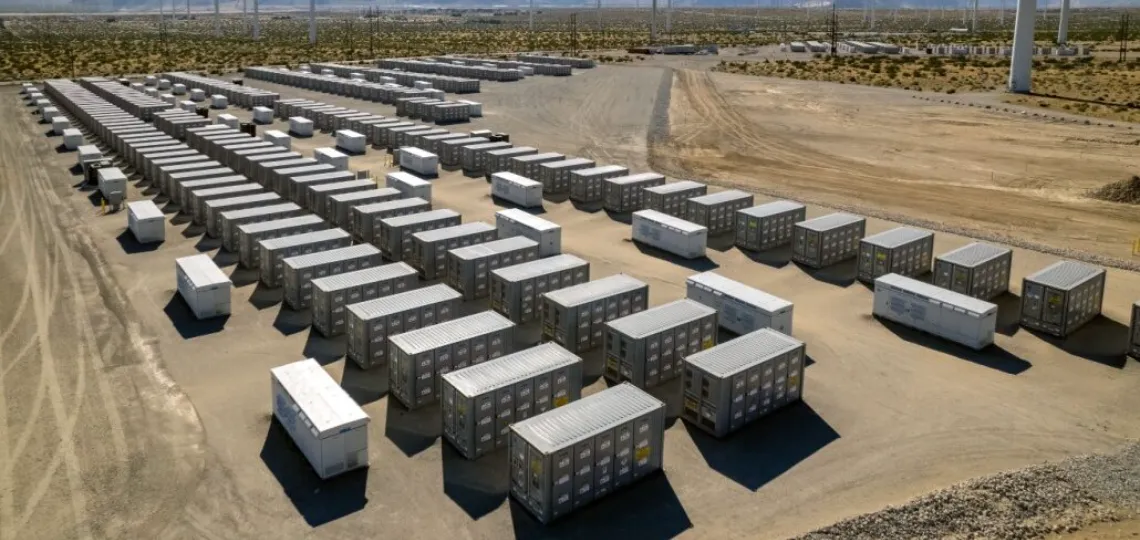
Battery storage is experiencing spectacular acceleration with 18.1 GW expected in 2025, compared to 10.9 GW installed in 2024. This 68% growth contrasts sharply with solar stabilization and persistent wind difficulties. Texas is set to overtake California as the leading storage market with 7 GW of new capacity, 54% more than in 2024. Arizona could see its installations jump 375% to reach 3.7 GW, illustrating the growing attractiveness of southwestern states for these technologies. Large-scale projects dominate the landscape, with installations regularly exceeding 500 megawatts (MW) and reaching up to 4 gigawatt-hours (GWh) of energy capacity. This evolution directly responds to grid stabilization needs in regions where solar penetration now exceeds 20% of total generation capacity.
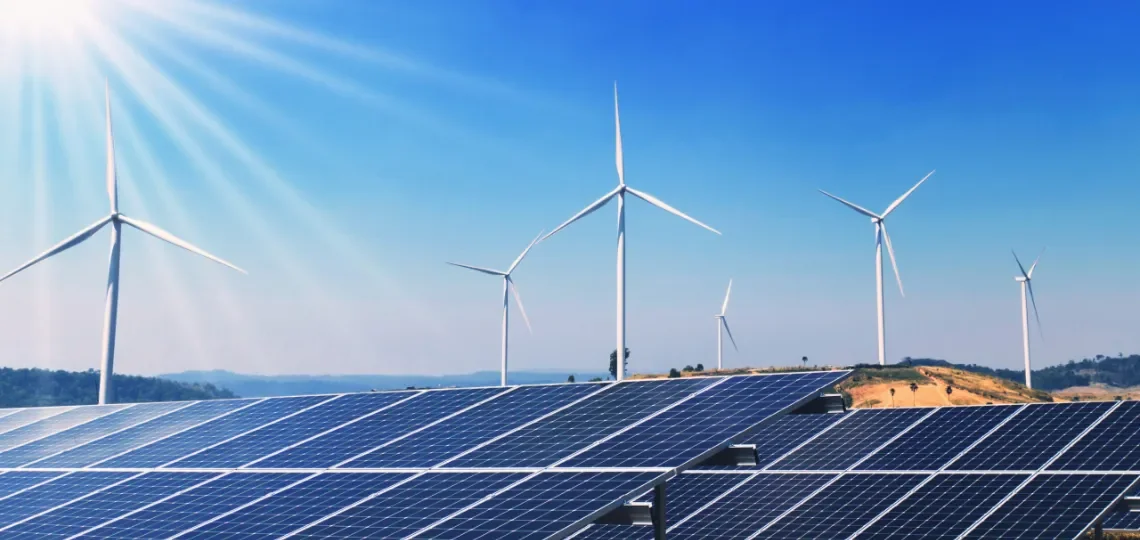
Developers now prioritize hybrid projects combining solar and storage, thus maximizing sites’ economic value and bypassing transmission constraints. Quinbrook Infrastructure Partners and Primergy Solar demonstrated this strategy with the Gemini project in Nevada, the country’s largest solar-storage installation with 690 MW of panels coupled with 380 MW of batteries. This integrated approach captures energy arbitrage revenues while providing frequency regulation and spinning reserve services to grid operators. Installation costs have dropped 40% since 2022, making these configurations competitive with natural gas plants for peak electricity supply.
Wind Faces Political and Regulatory Storm
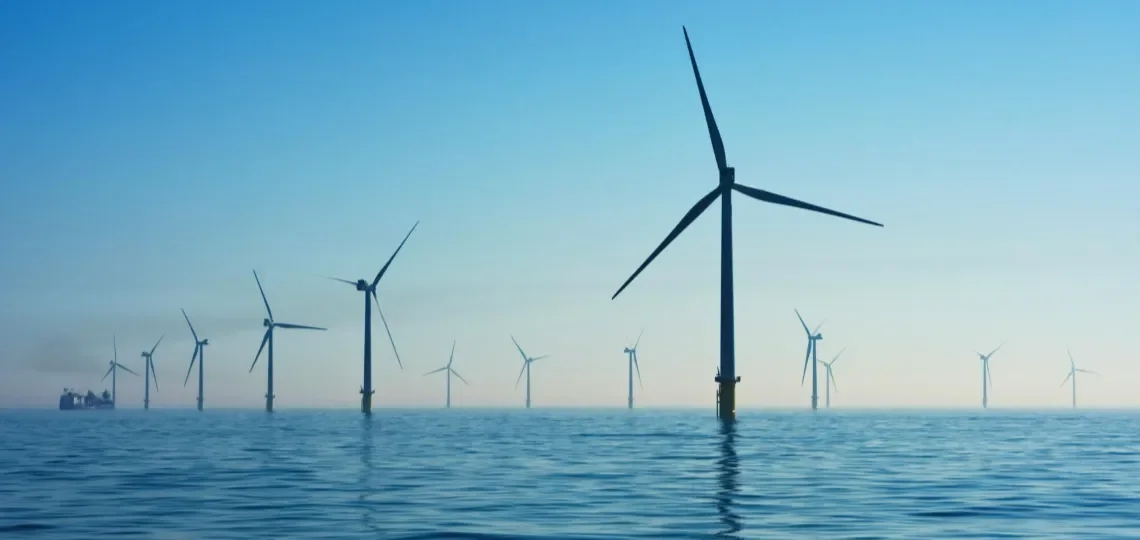
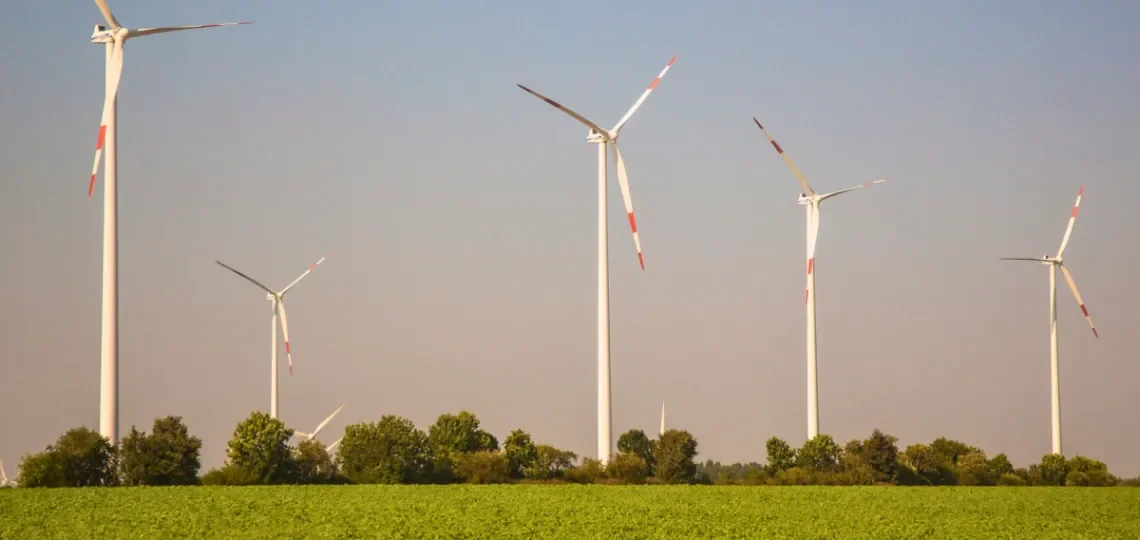
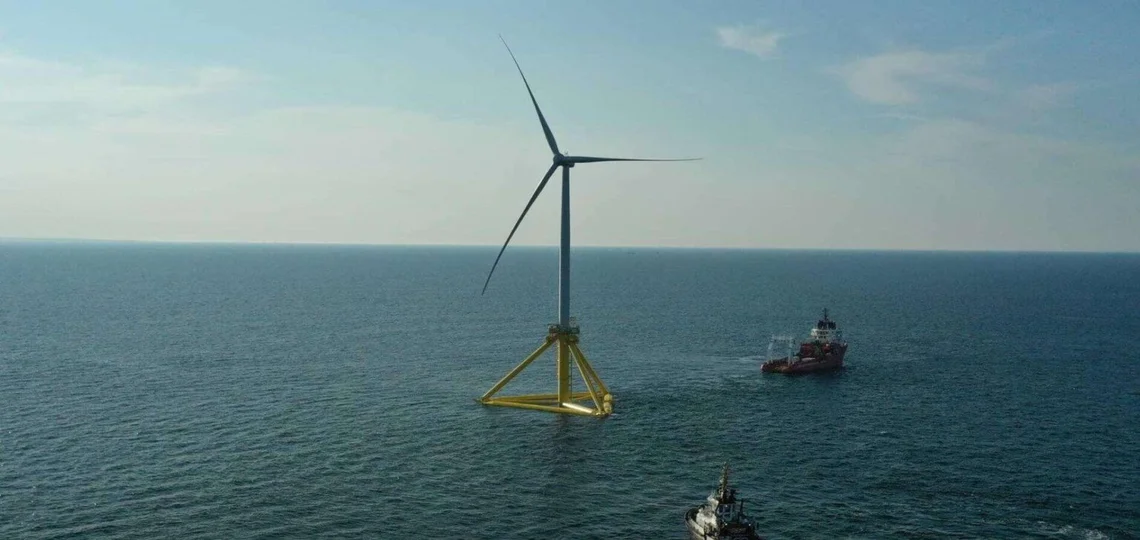
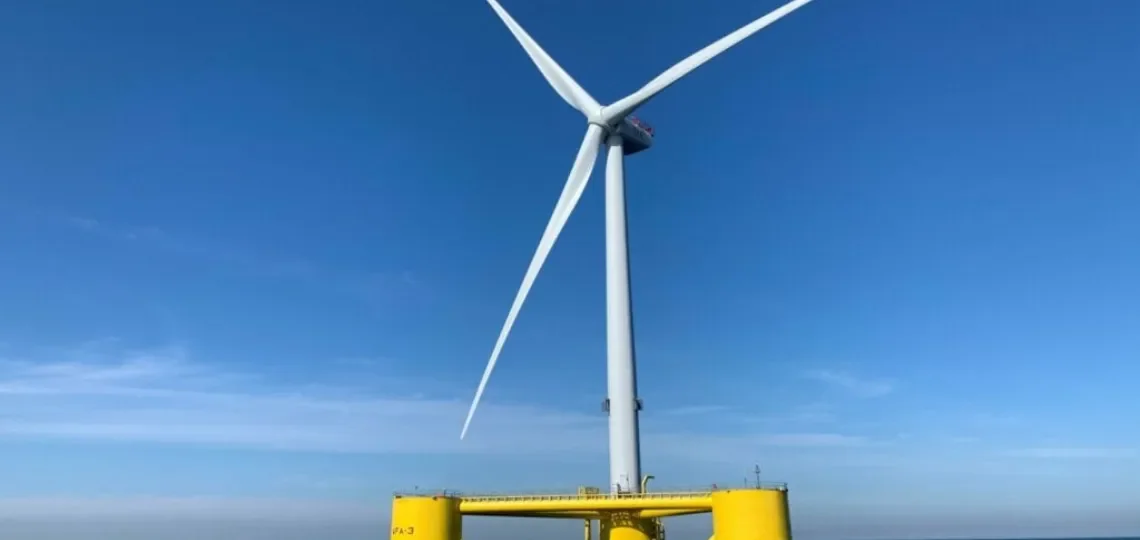
The American wind sector is experiencing its most difficult period in a decade, with only 5.1 GW installed in 2024, 66% less than the 2020 peak. Projections for 2025 suggest a potential rebound to 9.2 GW, but this recovery remains conditional on finalizing projects already under construction before the federal approval freeze. Developers face a conjunction of challenges including 400 restrictive local ordinances, high-voltage transmission investments down 30% since 2020, and now explicit federal administration hostility. The offshore projects Vineyard Wind 1 and Revolution Wind, totaling 1.5 GW and already under construction, escape the new restrictions but represent the last maritime installations authorized for an indefinite period.
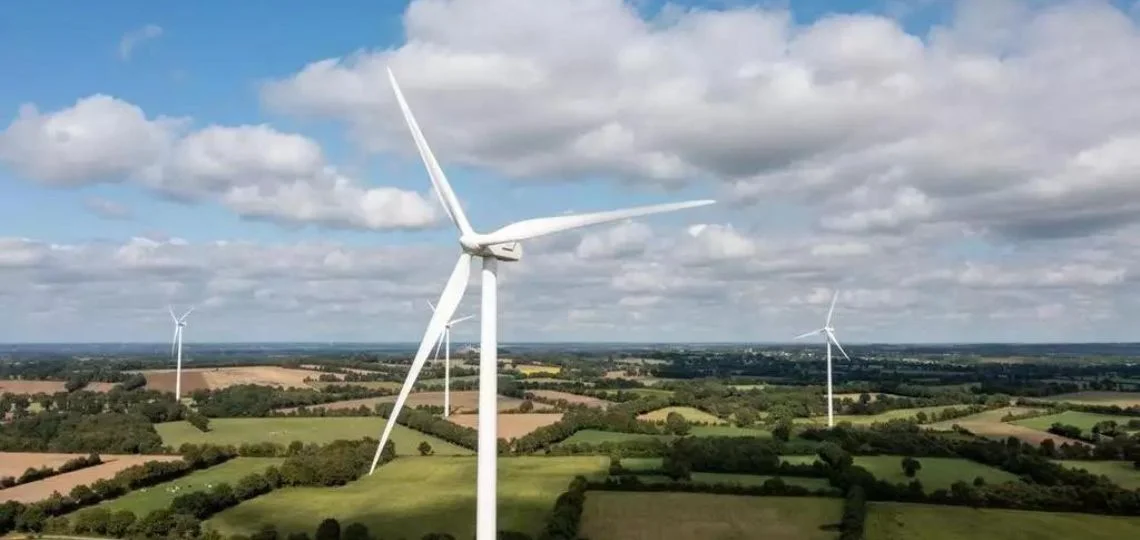
Historically leading states like Iowa, Kansas, and Illinois built no significant new capacity in 2024, an alarming signal for the industry. Only four developers succeeded in commissioning more than one wind project last year, illustrating extreme market concentration. Wyoming emerges as a notable exception with 1 GW planned in 2025, benefiting from exceptional wind conditions and less organized local opposition. Construction costs have increased 38% since 2021, eroding onshore wind’s economic competitiveness against solar coupled with storage.
A Two-Speed Energy Transition
Data reveals growing bifurcation of the American energy market between progressive and conservative states, with profound implications for national electrical infrastructure. California and northeastern states maintain their decarbonization objectives despite federal support withdrawal, while Texas paradoxically accelerates its renewable installations for purely economic reasons. Carbon-free capacity represented 95% of all new electrical installations in 2024, relegating natural gas to only 5% of additions. This trend persists despite political discourse favorable to fossil fuels, suggesting economic fundamentals outweigh ideological considerations.
Grid operators in the Electric Reliability Council of Texas (ERCOT) and Midcontinent Independent System Operator (MISO) doubled their solar installations in 2024, motivated by substantial fuel cost savings and operational flexibility. Interconnections between regional markets become critical to manage increased production variability, with $12 billion in investments planned for interstate transmission lines. Megaprojects of 100 MW or more have multiplied across 24 different states, from Alabama to Montana, demonstrating that the energy transition transcends traditional political divides when economic conditions are favorable. The central question for investors remains this dynamic’s sustainability facing a hostile federal regulatory environment and subsidies in constant decline since January 2025.