United States adds 11.7 GW of renewable capacity in Q3 despite uncertainty
U.S. clean energy capacity growth hits quarterly record, but industry players raise concerns over a slowing market amid regulatory instability.
| Sectors | Wind Energy, Solar Energy, Energy Storage, Onshore, Batteries, Photovoltaic |
|---|---|
| Themes | Markets & Finance, Sector Analysis |
The United States connected 11.695 GW of new clean energy capacity in the third quarter, marking a 14% increase compared to the same period in 2024. This quarterly capacity addition is a record, according to data published by the American Clean Power Association (ACP), which highlights a persistent climate of regulatory uncertainty that may hinder medium-term investment.
Solar and storage lead new installations
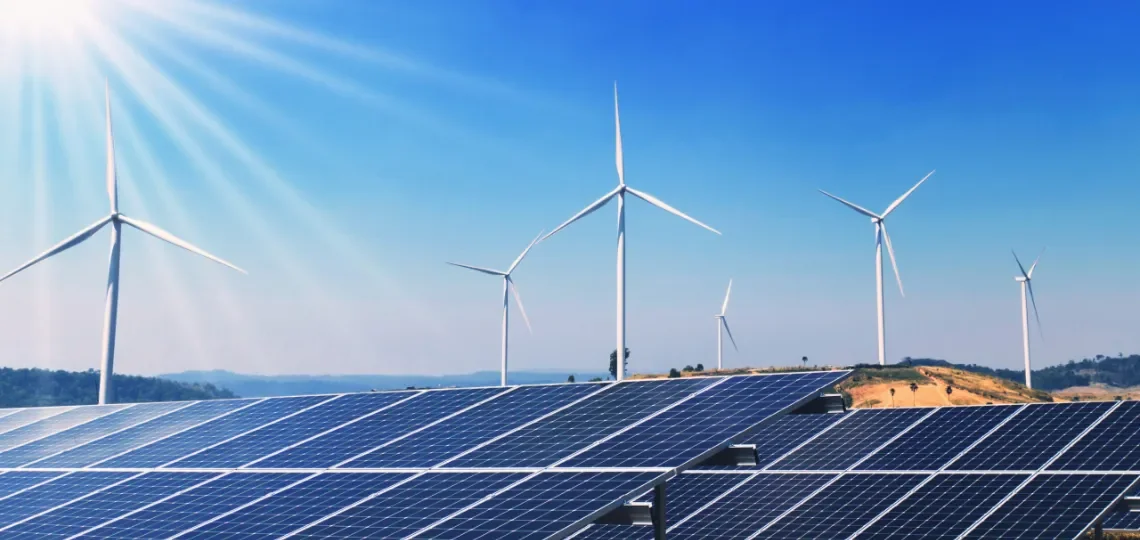
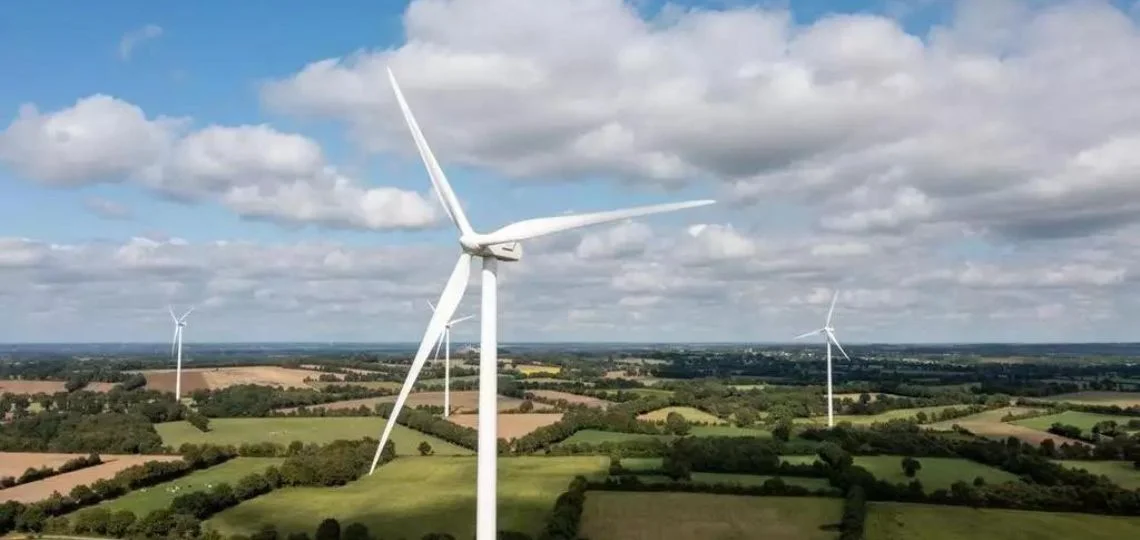
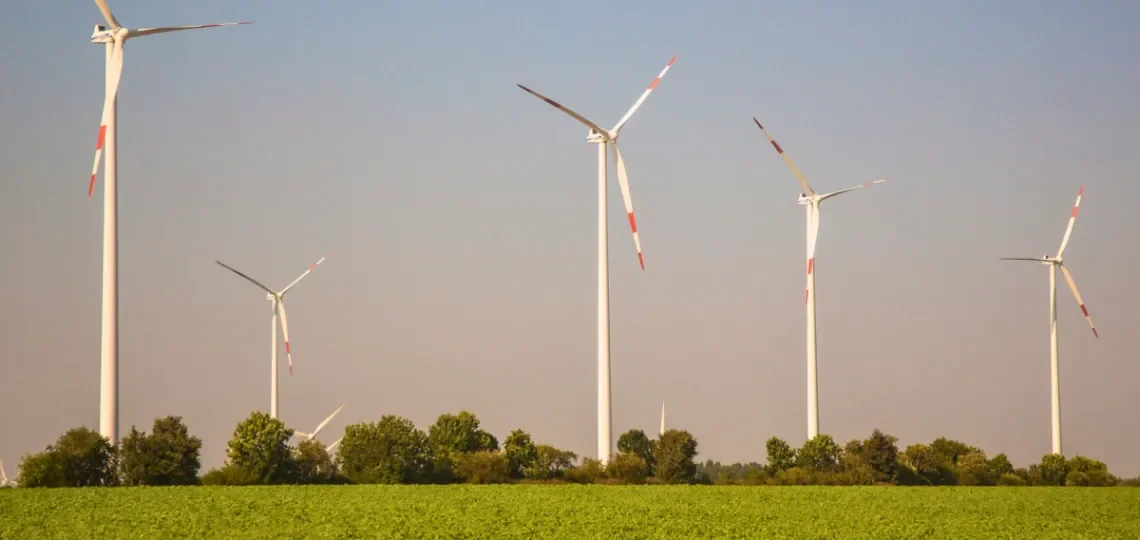
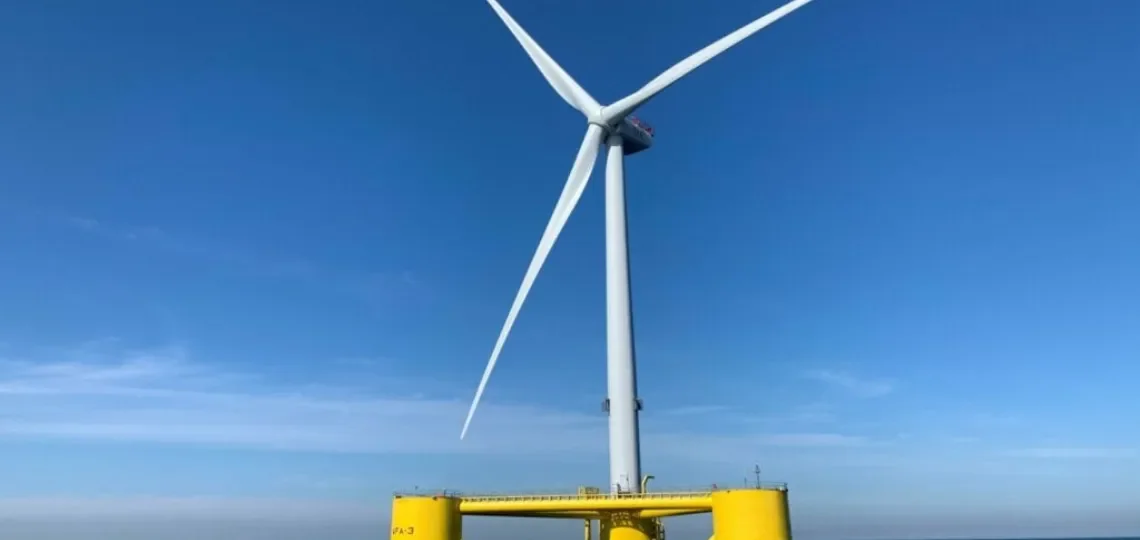
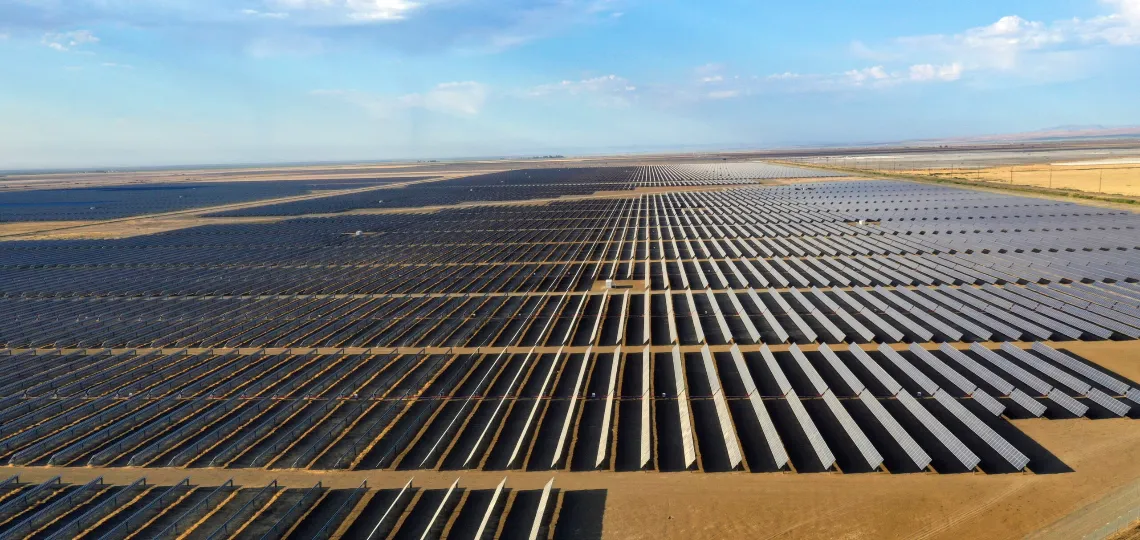
Solar energy accounted for the largest share of new capacity, with 5.982 GW installed between July and September. Battery storage also reached a record quarterly high of 4.7 GW, reflecting growing interest in grid flexibility solutions. Onshore wind saw a significant increase with 1.027 GW connected, a 131% rise compared to the third quarter of 2024.
Annual momentum remains strong, with a total of 30.9 GW of new capacity connected since the beginning of the year, already surpassing the previous record set in 2024. The total development pipeline reached 186.185 GW at the end of September, up 9% year over year. However, growth is slowing, with only a 1% increase since the first quarter.
Power purchase agreement market declines
Despite record Q3 additions, forward-looking indicators show a notable drop in contracting activity. Power purchase agreements (PPAs) fell by 31% year over year, bringing the cumulative contract volume in 2025 to a level 38% below that of the previous year at the same point.
According to S&P Global Energy, the volume of announced signed contracts hit a historical low in August, falling below 1 GW. This decline is partly attributed to the impact of the One Big Beautiful Bill Act (OBBBA), which introduced new uncertainties in project financial structuring.
Data centres dominate contracts despite uncertainties
Data centres represent over 75% of signed PPAs in 2025, according to S&P Global data. Meta and Amazon are among the leading power buyers this year. These actors, traditionally active in bilateral agreements, continue to drive the market despite tax and regulatory uncertainties.
Sector professionals expect a potential rebound once guidance is issued regarding foreign entity rules and the transferability of tax credits. In the meantime, developers and power buyers are reassessing project profitability and associated risks, slowing down the signing of new deals in the short term.