Trump repeals Biden’s CAFE standards and revives combustion engine vehicles
Donald Trump has scrapped the fuel consumption standards imposed under Joe Biden, citing lower vehicle prices, while carmakers welcome a move aligned with current market demand.
| Sector | Mobilité |
|---|---|
| Theme | Régulation & Gouvernance, Réglementation |
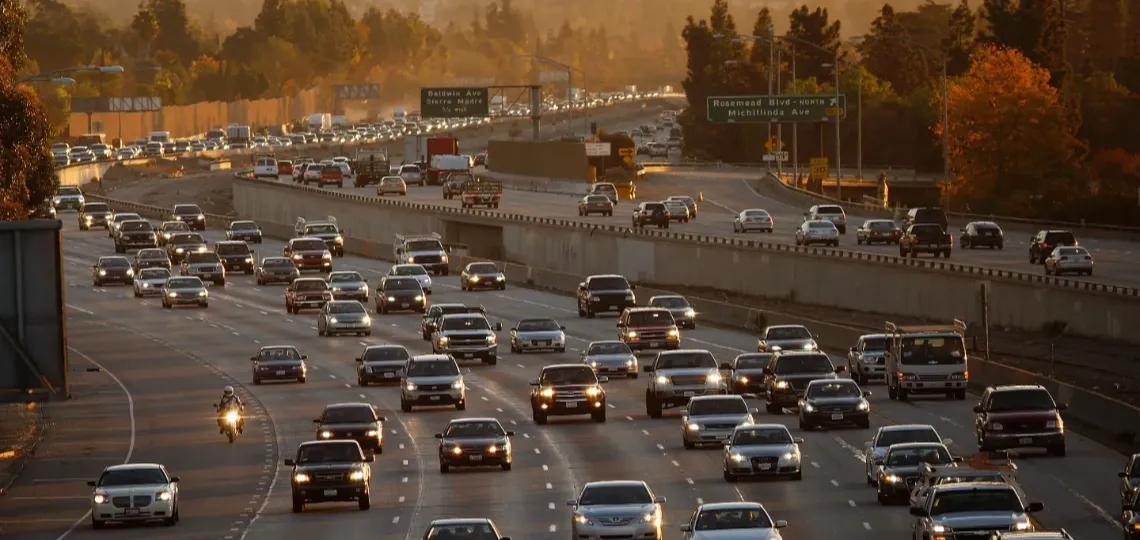
US President Donald Trump has officially repealed fuel economy regulations set by the previous administration, reducing efficiency targets for automakers. The regulation, known as the Corporate Average Fuel Economy (CAFE), was initially introduced in 1975 and later strengthened under Barack Obama and Joe Biden. The new framework, titled “Freedom Means Affordable Cars”, aims to ease emission requirements and keep vehicle purchase prices lower for consumers.
Target: control purchase costs
The US Department of Transportation estimates that the revised rule will prevent a $1,000 increase in new vehicle prices, totalling $109bn over five years. The White House justified the decision as an adaptation to current market conditions, marked by slower demand for electric models and continued preference for combustion engine vehicles.
In the Oval Office, Donald Trump described the CAFE standards as “restrictive and horrible”, speaking alongside several automotive industry leaders, including the CEOs of Ford and Stellantis. Ford Chief Executive Jim Farley welcomed the measure as “aligned with market realities”, while Stellantis head Antonio Filosa stressed the need to preserve consumer choice.
Mixed reactions in the industry
General Motors expressed its intention to continue offering hybrid and electric models without opposing the new regulatory direction. The Alliance for Automotive Innovation said it was “reviewing” the new standards but acknowledged that previous rules posed “an extreme challenge” for US manufacturers.
Under the new rules, average fuel economy targets drop to 34.5 miles per gallon (around 6.8 litres per 100 kilometres), compared with the Biden administration’s target of over 50 miles per gallon by 2031. This target, considered difficult to reach for combustion vehicles, was meant to encourage a transition toward electric models.
A policy shift that reignites debate
Some figures from the previous administration, such as former climate advisor Gina McCarthy, expressed concern over the long-term impact of the decision, particularly on the international competitiveness of the US auto industry. The Center for Biological Diversity also criticised the move, saying it would “destroy the largest initiative ever undertaken to reduce oil consumption”.
Charlie Chesbrough, chief economist at Cox Automotive, acknowledged that previous targets raised vehicle costs but noted that consumers remained responsive to fuel savings. Since late 2023, several major automakers have postponed or adjusted electric vehicle plans in response to demand falling short of initial projections.