Stellantis calls EU 2035 combustion engine ban unrealistic without regulatory flexibility
Stellantis CEO Antonio Filosa calls for adjustments to the 2035 deadline to safeguard industrial activity and accelerate decarbonisation through flexibility mechanisms.
| Sectors | Mobility |
|---|---|
| Themes | Regulation & Governance, Public Policy |
| Companies | Commission européenne, BMW, Stellantis |
| Countries | Germany |
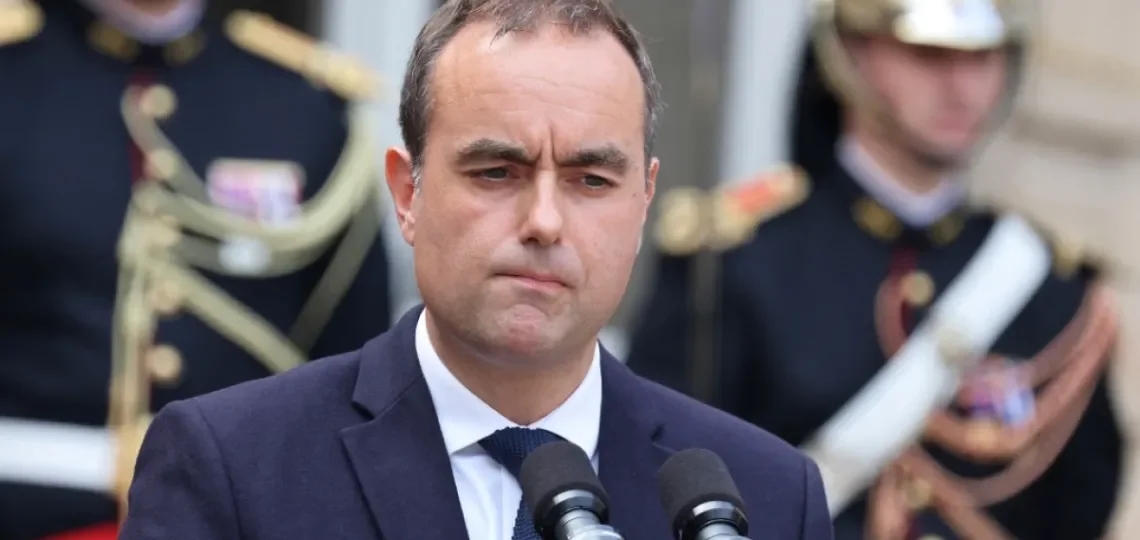
Stellantis’ new Chief Executive Officer Antonio Filosa has questioned the feasibility of the European Union’s ban on new combustion engine vehicle sales from 2035, stating that the current targets are not achievable as defined. The head of the world’s fourth-largest carmaker said the framework needs revision to ensure both climate ambitions and industrial viability are maintained.
European carmakers raise concerns over timeline
The ban, enacted in March 2023 as part of the European Green Deal, covers all new petrol, diesel, and hybrid vehicles. A review clause scheduled for 2026 will allow EU institutions to make adjustments if needed. However, several automakers have already raised concerns about the schedule. German carmaker BMW has suggested pushing the deadline to 2050, while Mercedes-Benz CEO and president of the European Automobile Manufacturers’ Association (ACEA) Ola Källenius described the 2035 goal as “unattainable”.
Filosa stressed that falling electric vehicle sales, growing Chinese competition, US tariffs, and declining global margins are undermining the investment capacity required for the transition. He warned that Europe’s automotive sector risks structural decline unless corrective measures are adopted swiftly.
Stellantis urges regulatory flexibility
The Italian executive called for a regulatory shift that would introduce targeted support mechanisms. Among the proposed measures are scrappage schemes to modernise existing vehicle fleets, supercredits for the sale of small electric vehicles, and greater recognition of hybrid models in emissions targets.
The European Commission has already eased intermediate carbon dioxide (CO2) reduction targets as of March and is expected to launch a strategic dialogue with industry stakeholders during the upcoming Munich motor show. Antonio Filosa stated that it is now time to move from strategic dialogue to strategic action.
European industrial competitiveness at stake
The Stellantis CEO highlighted the critical nature of the current period for the European automotive industry, warning that a loss of competitiveness threatens the entire value chain. He called for a legislative framework better aligned with market conditions and the pace of low-carbon technology adoption.
He added that fleet renewal remains a key lever for emissions reduction, but that the lack of affordable solutions for consumers is slowing the transition. “We must not underestimate the rapid decline of the European automotive industry,” he said.