Canada funds 480 new electric vehicle charging stations in British Columbia
The Canadian government invests CAD22.7mn ($16.7mn) in eight projects to strengthen the electric vehicle charging network in British Columbia.
| Sectors | Mobility, EV Charging Infrastructure |
|---|---|
| Themes | Investments & Transactions, Project Development, Financing |
| Countries | Canada |
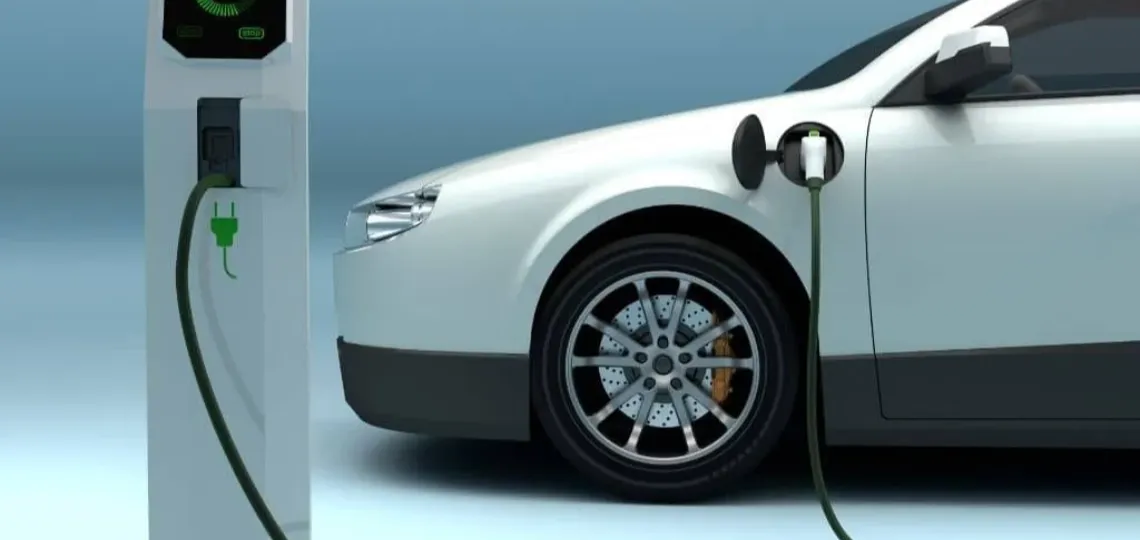
The federal government of Canada has announced CAD22.7mn ($16.7mn) in funding for the installation of more than 480 electric vehicle (EV) charging stations in British Columbia. The announcement was made by Minister of Housing and Infrastructure Gregor Robertson on behalf of Minister of Energy and Natural Resources Tim Hodgson.
An extended network along highways and urban areas
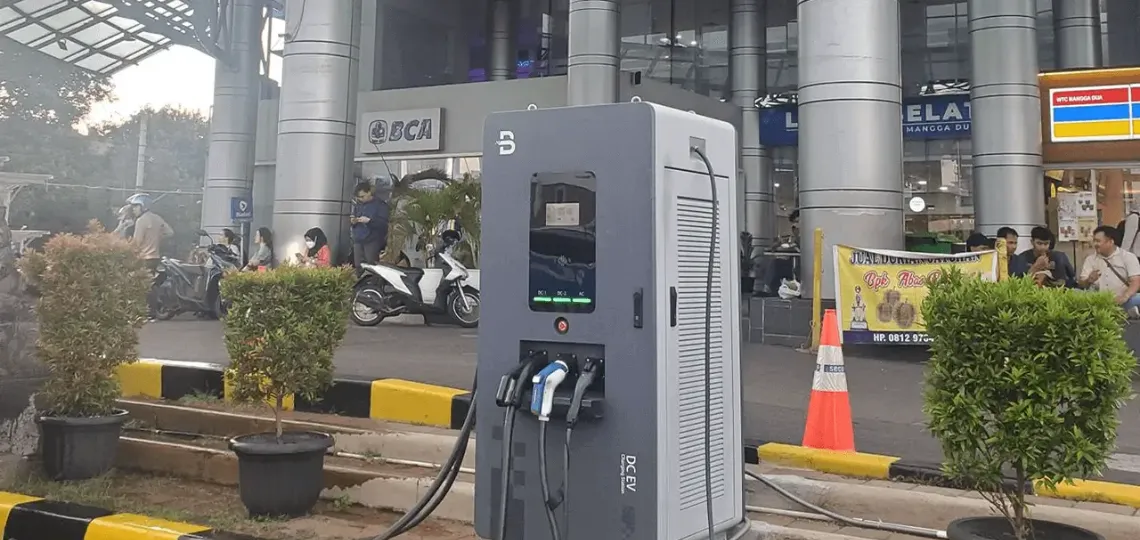
The stations will be deployed in public spaces, multi-unit residential parking facilities, workplaces and along major provincial highways. The project is supported in collaboration with municipalities and local utilities to expand access to charging infrastructure and meet the growing demand from EV users.
The initiative also aims to address what the government calls “range anxiety” by strengthening station availability in key areas of the provincial road network. No specific commissioning date has been provided, but projects are already being rolled out in several municipalities across British Columbia.
A state support programme ongoing since 2016
The funding comes from the Zero Emission Vehicle Infrastructure Programme (ZEVIP), administered by Natural Resources Canada. Since its creation in 2016, the programme has enabled more than CAD1bn ($735mn) in investments for the development of charging infrastructure across the country. The government stated that these stations will be installed in areas with the highest demand.
According to official data, projects funded by ZEVIP also include hydrogen refuelling stations, although the projects announced in British Columbia are focused exclusively on EV charging stations. The announcement did not specify the exact geographical distribution of the new installations or the technical partners involved.
Regional deployment responding to growing demand
British Columbia is one of the most active provinces in terms of zero-emission vehicle deployment. However, the government has not provided a quantified target regarding the increase in EV adoption rates following this announcement.
“Thanks to the funds announced today, we are accelerating the transition to zero-emission vehicles,” said Gregor Robertson during the official announcement. His ministry oversees regional economic development projects in Western Canada.