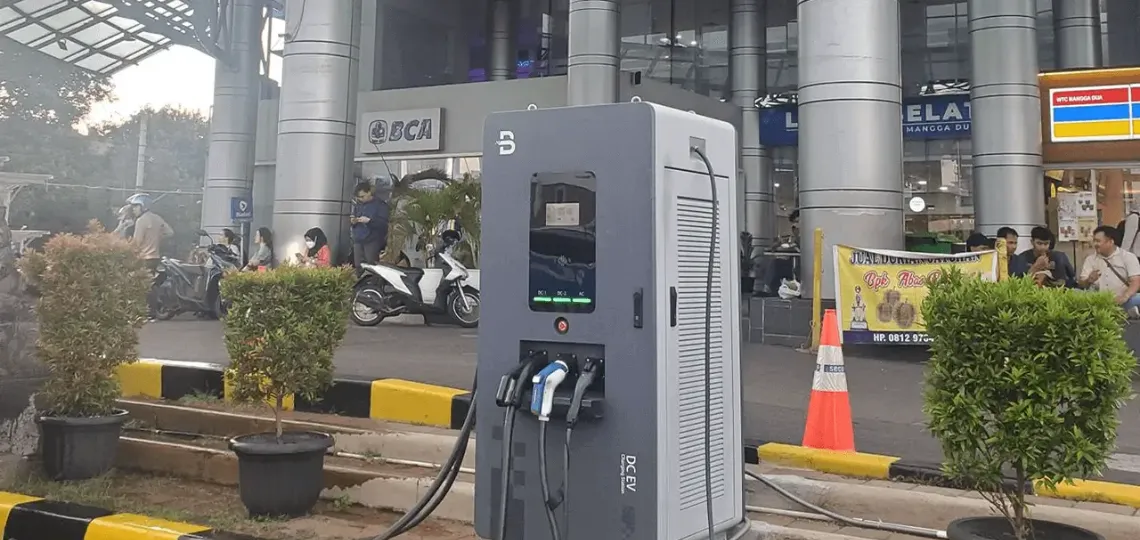
China redefines electric vehicle strategy around technological innovation
Faced with falling margins and overcapacity, Beijing is restructuring its electric vehicle industry by focusing on quality, standards, and technological upgrading.
| Sectors | Mobility |
|---|---|
| Themes | Regulation & Governance, Public Policy |
| Companies | Wood Mackenzie |
| Countries | China |
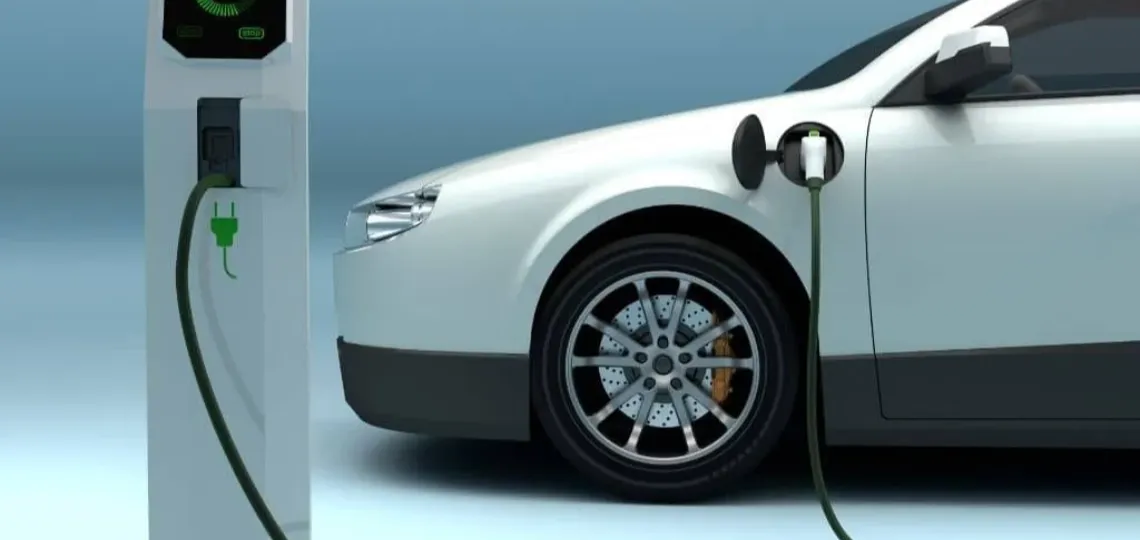
China is undergoing a strategic shift in its electric vehicle (EV) sector, moving away from a price war model in favour of a policy focused on industrial quality and profitability. This shift comes as EV market penetration is expected to exceed 50% by 2025, putting pressure on the national supply chain.
Declining margins and inefficient competition
In the first quarter of 2025, automotive margins fell to 3.9%, while EV prices dropped 5.8% year-on-year. This mounting competition, referred to locally as “nei juan”, describes unproductive competition based on excessive discounting or unprofitable capacity expansions. In response, the Chinese government has launched so-called “anti-involution” initiatives to address these imbalances.
Sector consolidation through standards and market mechanisms
Unlike previous campaigns of forced capacity cuts in other industrial sectors, authorities are now relying on market mechanisms reinforced by regulatory standards. In the battery segment, where capacity utilisation has dropped to 41%, consolidation will be driven by the implementation of stricter safety standards from 2026, prompting weaker players to exit the market progressively.
Differentiated trends in materials segments
Cathode materials are seeing contrasting developments. The lithium iron phosphate (LFP) segment, still highly fragmented, will be rationalised through policy support for leading producers, particularly those able to deliver high-compaction-density materials. In contrast, the ternary cathode segment has begun self-correcting, with the top five producers now accounting for half of total output, aligned with a shift to high-nickel chemistries for solid-state batteries.
Expansion control in anode and lithium sectors
The anode segment has faced structural pressure since 2022, with ongoing overcapacity and falling prices. Legislative measures are in preparation to curb disorderly expansion and promote technological advancement. On lithium, authorities aim to address the imbalance between excess chemical output and concentrate shortages with a three-part strategy: boosting recycling, tightening environmental approvals, and diversifying supply sources.
These measures are designed to restore sustainable momentum in a rapidly growing sector while preserving China’s competitive edge in global e-mobility.