Global coal demand is expected to stabilise by the end of the decade as growing competition from other power sources begins to weigh on the market’s long-term outlook.
A new independent study shows that maintaining aging coal plants increases electricity bills in Kentucky, while a renewable-based energy portfolio could generate up to $2.6bn in savings by 2050.
Queensland, Australia's leading coal-producing state, has scrapped its 2035 renewable energy targets, citing competitiveness and energy cost stability as key priorities.
Rising wholesale electricity prices in 2025 are strengthening margins for coal and gas-fired plants in the United States, with the profitability gap between the two narrowing significantly.
New Delhi formalises a 307 GW coal capacity cap by 2035, integrating existing projects without initiating closure policies, within a regulatory framework that remains flexible.
Bangladesh temporarily blocks international arbitration with Adani Power pending the conclusions of an expert committee on the legality of the electricity supply contract signed with the Indian conglomerate.
The European Commission has approved a €1.75 bn ($2.03 bn) public subsidy from Germany to compensate energy company LEAG for the planned shutdown of its coal-fired power plants by 2038.
Seoul joins the Powering Past Coal Alliance and confirms a gradual withdrawal from unabated coal, with a regulatory programme targeting the closure of 40 facilities and a strict assessment of the remaining units.
The Brazilian government is granting new contracts to coal-fired power plants until 2040, illustrating the weight of regulatory decisions and industrial interests in a country predominantly powered by renewable energy.
New Delhi is preparing a revised roadmap for its climate commitments while maintaining heavy reliance on coal to sustain economic growth and respond to growing regulatory pressure.
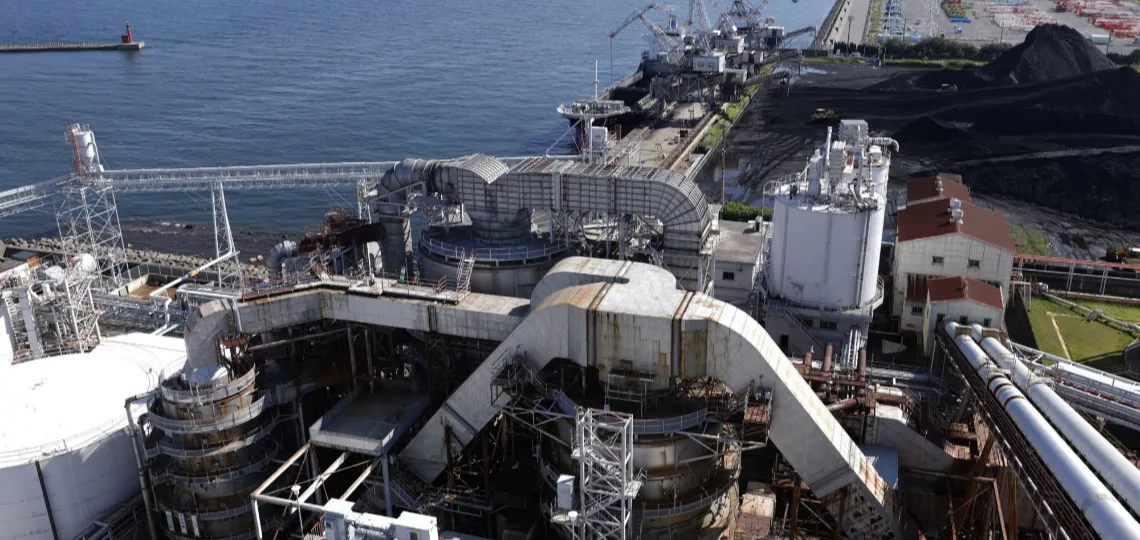
J-POWER announces the retirement of its 500MW coal-fired Takasago Thermal Power Station in Hyogo Prefecture by FY2028, marking a key shift in its energy investment strategy.
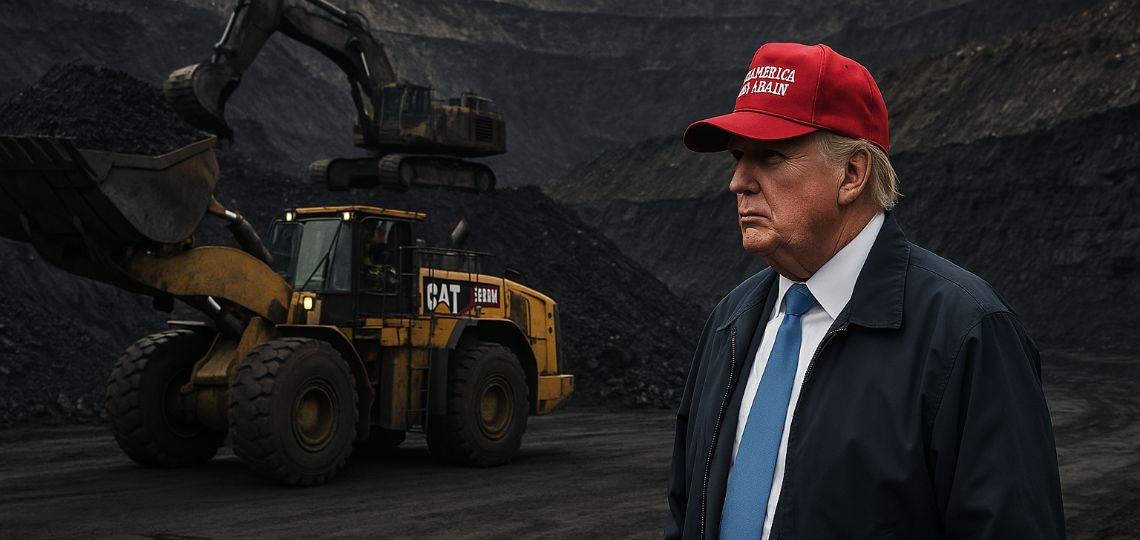
US coal exports fell 11% in the first half of 2025, prompting the Trump administration to commit $100mn to upgrade domestic power plants and support the national energy sector.
A modelling study finds India does not need new coal plants beyond current plans through 2032, as overcapacity would raise costs and reduce utilisation across the thermal fleet.
Morocco announces a coal exit target for 2040, subject to international support, while accelerating the deployment of renewable energy in its power mix.
Queensland coal producers are struggling to rein in costs, which remain above pre-2022 levels as the impact of royalty hikes and margin pressures continues to weigh on the sector.
Coal will temporarily become the main source of electricity in the Midwest markets MISO and SPP during winter, according to the latest federal forecasts.
Ireland ends four decades of coal-based electricity production by converting its Moneypoint power plant to heavy fuel oil, now exclusively reserved for the balancing market until 2029.
Duke Energy Indiana will launch a technical study to evaluate the potential sale of its coal units at the Cayuga site following the planned commissioning of new natural gas plants in 2029 and 2030.
China's coal imports dropped 18% in May, driven by historically low domestic prices and significant growth in national production, shifting the country's energy market dynamics.
India’s unprecedented drop in power demand led to a sharp decline in coal-based generation in May, while renewable energy output reached a record high.
Financial giant BlackRock highlights economic and strategic risks linked to an antitrust procedure backed by Washington, targeting major asset managers accused of conspiring to reduce coal production in the United States.
Adani Power will supply 1,500 MW to Uttar Pradesh through an ultra-supercritical coal power plant built under the DBFOO model, at a tariff of Rs 5.383 per unit.
A satellite analysis led by Ember and Kayrros shows that methane emissions from Australian mines are 40% higher than official reports, revealing significant gaps in the current coal sector monitoring.
Donald Trump issues several executive orders aimed at reducing regulations on the U.S. coal industry, addressing economic expectations from coal-producing states while securing national energy supply.
Finnish energy company Helen has halted operations at the Salmisaari plant, the country’s last coal facility, halving its carbon dioxide emissions in one year.
India crosses the symbolic milestone of producing over one billion tonnes of coal for the first time, significantly cutting its imports and strengthening energy independence through recent governmental reforms in the mining sector.
Eskom has connected Unit 6 of the Kusile coal-fired power station, adding 800 MW to the national grid amid efforts to stabilise electricity supply in South Africa.
The Indian government presents a project to create a coal exchange for the domestic market, a measure aimed at improving transparency and regulating the local coal market.
The United States has announced its withdrawal from the Just Energy Transition Partnership with South Africa, thereby reducing the country’s international financial commitments in its gradual exit from coal.
Indonesia sets a floor price for coal to strengthen its control over domestic prices and influence international markets. This new strategy will take effect on March 1, 2025.
Indonesia continues to strengthen its dependence on coal, jeopardizing its greenhouse gas emission reduction commitments. This paradox is highlighted in a recent report, emphasizing the tension between environmental goals and economic realities.
Australian mining giant BHP saw its net profit multiply fivefold, reaching $4.4 billion, despite an 8% drop in revenue. Sustained demand and signs of recovery in China strengthen its outlook.