India’s coal-fired electricity generation drops 9.5% in May, steepest decline in five years
India’s unprecedented drop in power demand led to a sharp decline in coal-based generation in May, while renewable energy output reached a record high.
| Sectors | Solar Energy, Coal, Photovoltaic |
|---|---|
| Themes | Markets & Finance, Prices |
| Countries | China, India |
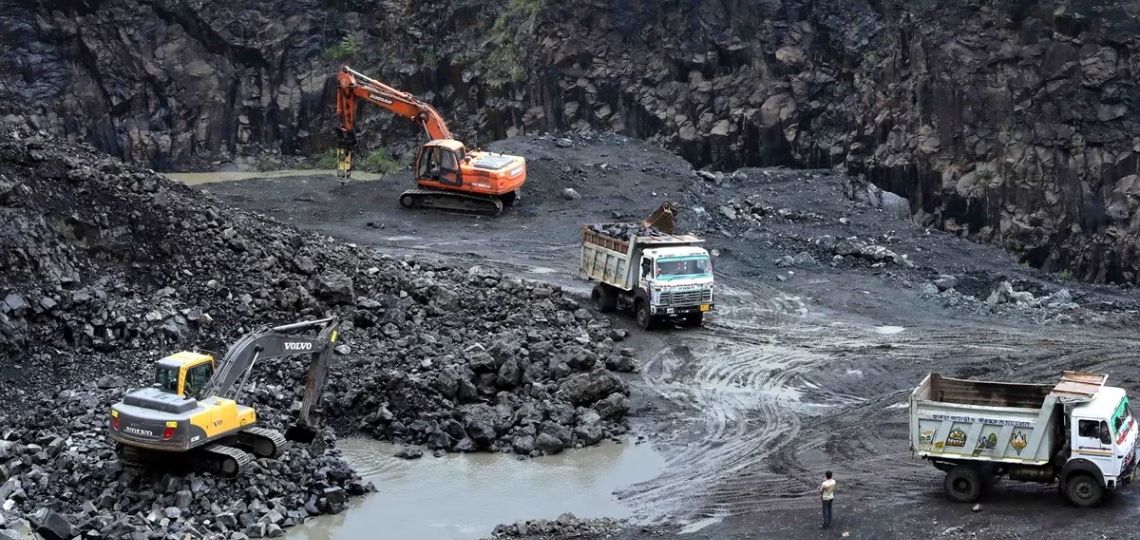
India’s coal-fired electricity generation fell by 9.5% year-on-year in May to 113.3 billion kilowatt-hours, according to data published by Grid India. This marks the steepest decline since June 2020, when nationwide lockdowns were implemented due to the COVID-19 pandemic.
Renewables reach historic peak
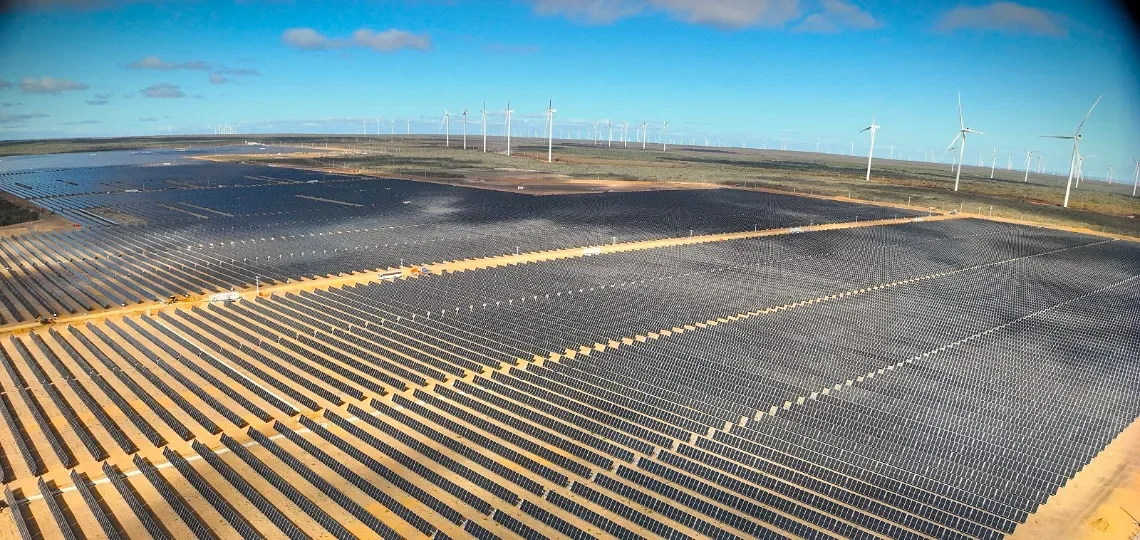
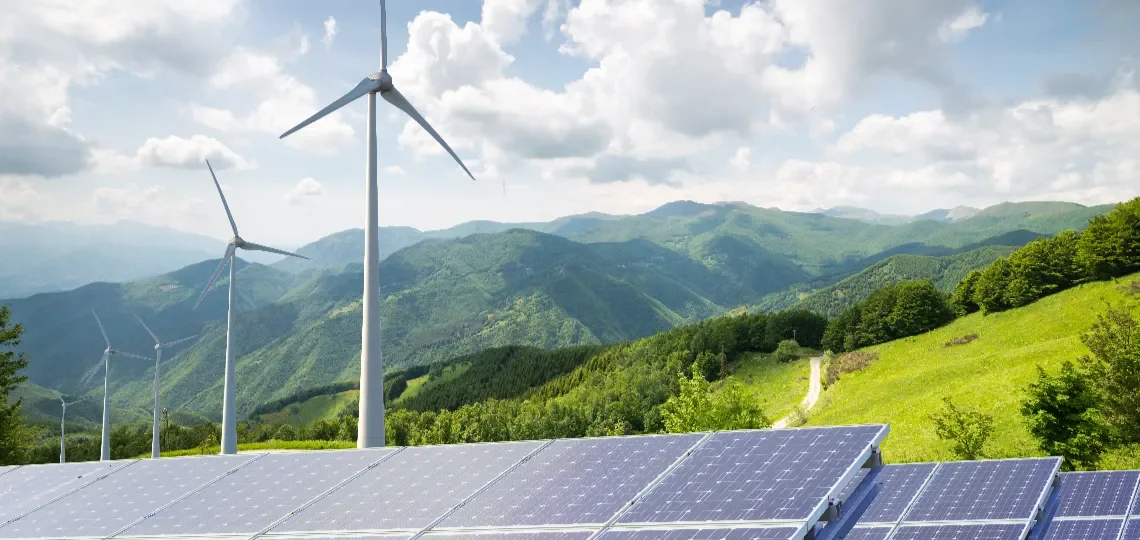
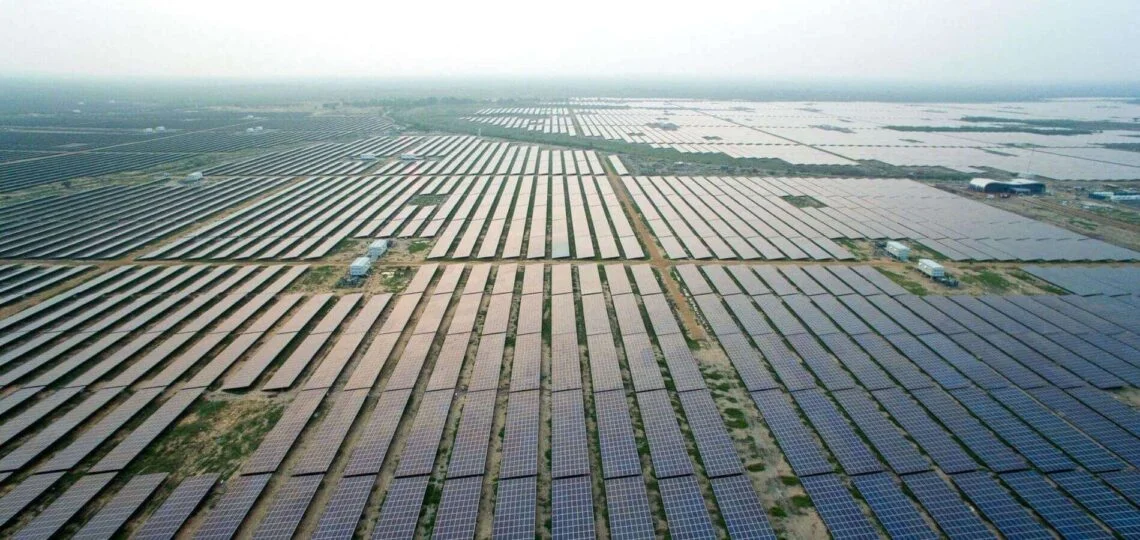
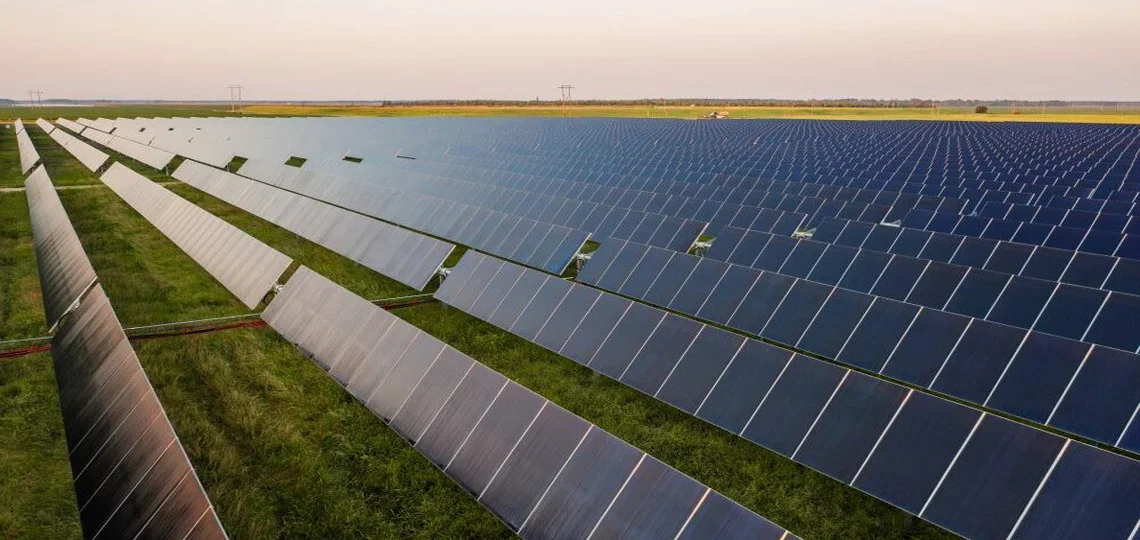
This drop occurred amid a broader decline in electricity demand, which decreased by 5.3% year-on-year to 160.4 billion kilowatt-hours. At the same time, renewable energy generation rose by 17.2% to a record 24.7 billion kilowatt-hours, accounting for 15.4% of the power mix — the highest share ever recorded in the country.
Coal’s contribution to power generation fell to 70.7%, down from 74.0% a year earlier, reaching its lowest level since June 2022. Hydropower output also rose by 8.3% year-on-year, reaching 14.5 billion kilowatt-hours and accounting for 9.0% of total generation.
Gas decline intensified by lower competitiveness
Electricity generation from natural gas recorded a sharp 46.5% year-on-year drop to 2.78 billion kilowatt-hours. This represents the steepest fall since October 2022. Gas plants, which were called upon last year during extreme heat, saw reduced use this year due to milder weather and softer demand.
“Gas-based electricity is more expensive and less competitive this year compared to sources like solar, due to lower demand,” said Prashant Vashisth, Vice President at Moody’s affiliate ICRA.
Weakened demand and pricing pressure
India’s imports of coal and liquefied natural gas (LNG), the world’s second and fourth largest respectively, also contracted. This trend is linked to record coal stockpiles within the country and slower demand growth in both China and India. Thermal coal prices in Asia fell to a four-year low due to the combined decline in demand.
Peak demand in India reached 231 gigawatts in May, down 8% from 250 gigawatts in May 2024, which was marked by an exceptional heatwave.
Indian coal trader I-Energy stated in a recent note that the electricity sector’s outlook was shaped by “moderate demand, even during peak periods, and headwinds affecting non-power economic sectors.”