China approves 11.29 GW of coal in Q1 despite unprecedented decline in 2024
Greenpeace data shows a renewed wave of coal projects in early 2025, as renewable capacity surpasses thermal energy for the first time.
| Sectors | Coal |
|---|---|
| Themes | Markets & Finance, Sector Analysis |
| Countries | China |
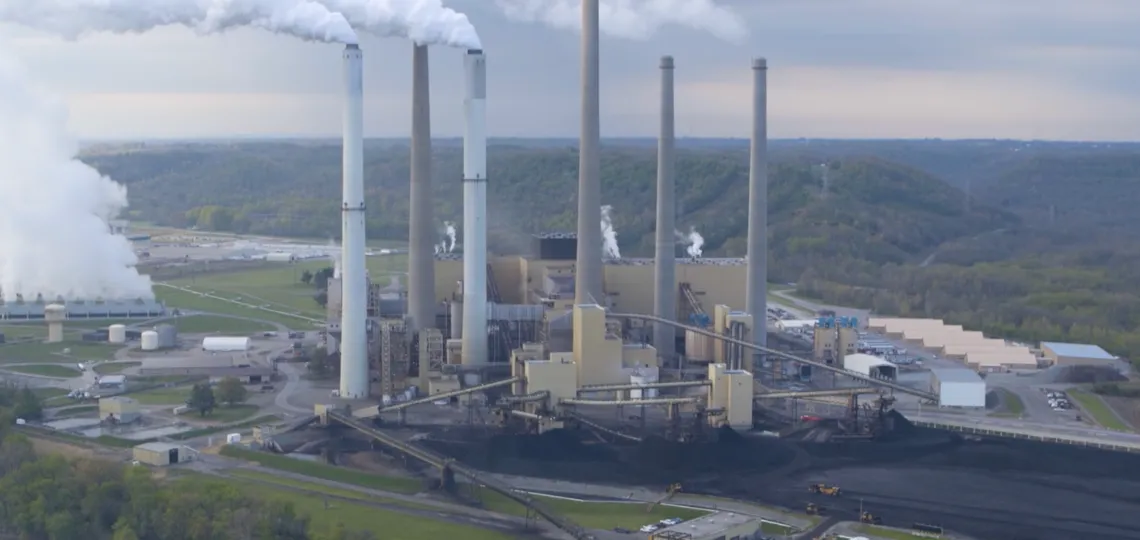
China approved 11.29 gigawatts (GW) of new coal-fired power generation capacity in the first quarter of 2025, according to a study published by Greenpeace East Asia on June 5. This decision follows an unprecedented annual decline in new permits in 2024, which fell to 62.24 GW, down 41.5 % from 2023.
The 2024 slowdown marks a break from the trend since 2021
Since 2021, China had increased the pace of coal project approvals, reaching 289 GW of new capacity over that period—double the 145 GW approved between 2015 and 2020. However, 2024 marked a turning point, with a clear drop in new projects for the first time in four years. This decline was particularly noticeable in eastern provinces, which had historically driven new thermal installations.
Greenpeace East Asia’s analysis is based on a review of official documents, including project approvals, environmental impact assessments, and technical reviews, covering the period from 2015 to early 2025. The organisation identified a shift in the geography of approved projects, moving toward western provinces rich in renewable energy resources.
Western provinces take over the lead
In the first quarter of 2025, the leading provinces approving new plants were Inner Mongolia (10.64 GW), Gansu (10.02 GW), Xinjiang (5.28 GW), Heilongjiang (4.66 GW), and Jilin (4.66 GW). These projects focus mainly on large-scale units of 600 megawatts (MW) and above, which accounted for 88.9 % of the capacity approved in Q1 2025.
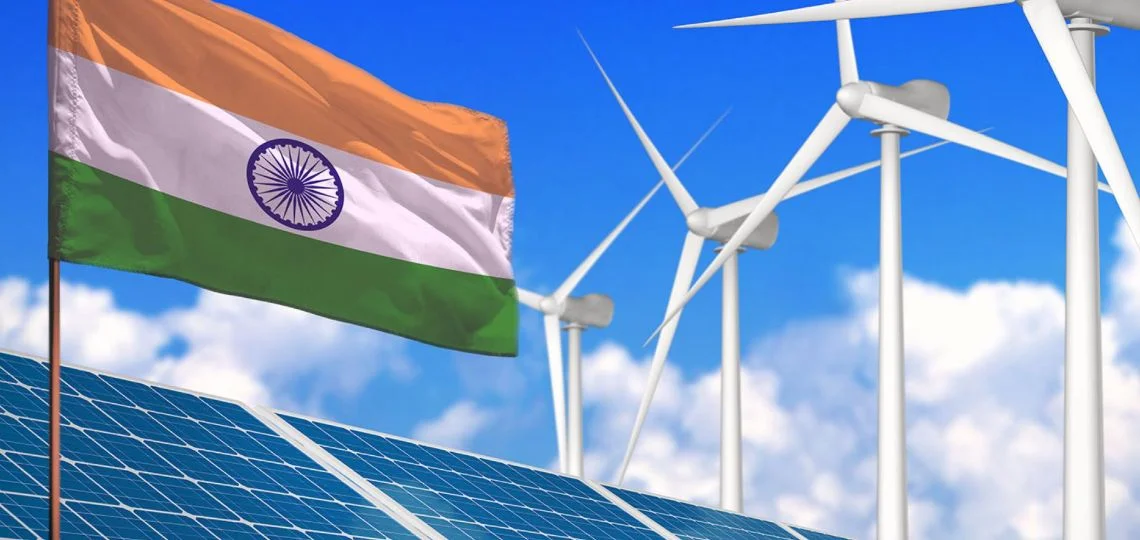
At the same time, official data show that installed wind and solar capacity reached 1,482 GW at the beginning of 2025, surpassing the 1,450 GW of all thermal sources for the first time. Over the same period, solar and wind output fully met the increase in national electricity demand.
A potential imbalance in energy planning
Despite the rise of renewables, coal projects continue to be approved in a context where existing capacity is considered sufficient to meet peak demand. According to Greenpeace East Asia, the build-up of excess capacity could result in stranded assets and increased costs for the energy transition.
Large thermal plants also face challenges adjusting rapidly to demand fluctuations due to their operational inertia. This mode of production is not well-suited to grids increasingly powered by intermittent sources like wind and solar. Greenpeace East Asia is calling for more investment in storage, distributed renewables, and demand-side response mechanisms to stabilise the grid without resorting to new coal units.