The United States withdraws from energy transition plan with South Africa
The United States has announced its withdrawal from the Just Energy Transition Partnership with South Africa, thereby reducing the country’s international financial commitments in its gradual exit from coal.

| Sectors | Coal, Carbon |
|---|---|
| Themes | Policy & Geopolitics, Energy Security |
| Companies | Union Européenne |
| Countries | United States |
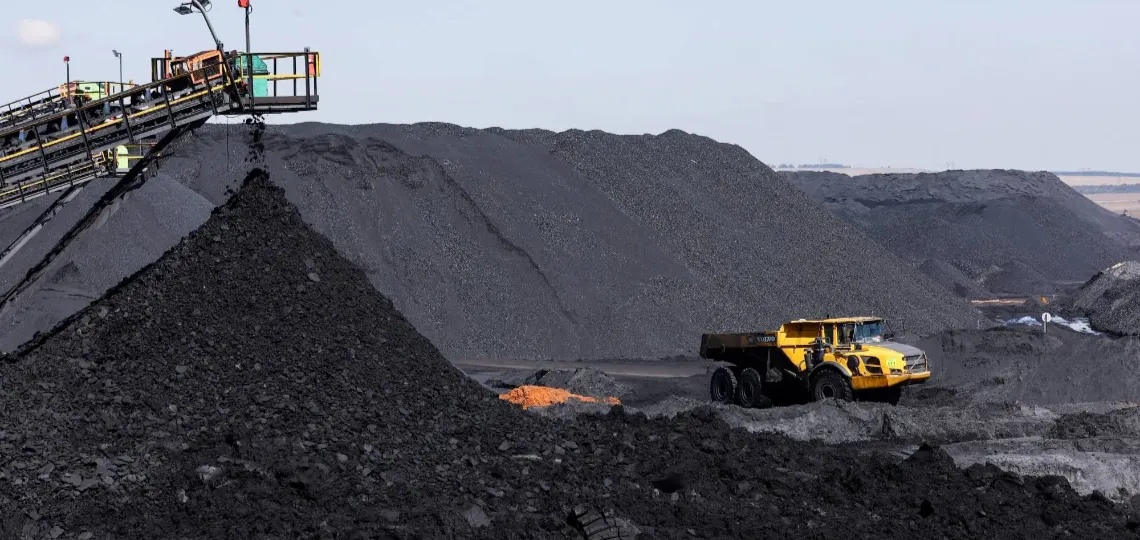
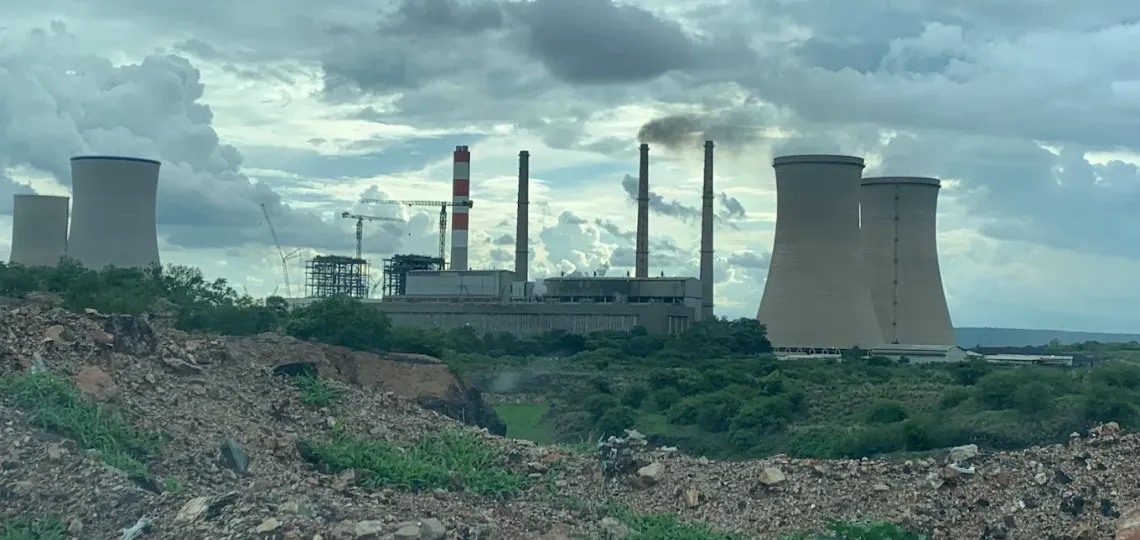
The South African government has confirmed the United States’ withdrawal from the Just Energy Transition Partnership (JETP) with South Africa. This plan, launched during COP26 in Glasgow in 2021, aimed to support South Africa’s energy transition, particularly by reducing its reliance on coal, a source that still accounts for 80% of the country’s electricity production. Following this decision, the project’s international financial commitments are reduced from $13.8bn to $12.8bn.
The context of the initial agreement
The JETP was established to help South Africa achieve its climate goals while ensuring a just transition for coal sector workers. The agreement involved several major economic powers, including the European Union, the United Kingdom, France, Germany, and the United States. However, the American commitment was primarily made up of potential commercial investments, rather than concessional loans or direct financial aid, as is the case for some other participating countries.
The consequences of the US withdrawal
The withdrawal of the United States reduces direct funding for the project, which could affect South Africa’s ability to advance its efforts to diversify its energy sources. France, for example, has already provided €700mn to support this process. Kgosientsho Ramokgopa, Minister of Electricity and Energy, emphasised that the country was not solely relying on the United States’ contribution to achieve its energy transition, clarifying that additional resources could be mobilised through the private sector and other international financial institutions.
The challenges of energy transition in South Africa
Despite these financial adjustments, South Africa continues to face major challenges in its energy transition. As one of the world’s 12 largest greenhouse gas emitters, the country stands at a crossroads in terms of energy policy. Its dependence on coal remains a key factor in electricity production, and transitioning to renewable energy will require significant investment and sustained international support. However, South Africa intends to move forward with its climate goals by diversifying its energy sources while protecting jobs in the coal sector.