South Africa: Corruption costs Eskom $55 million a month
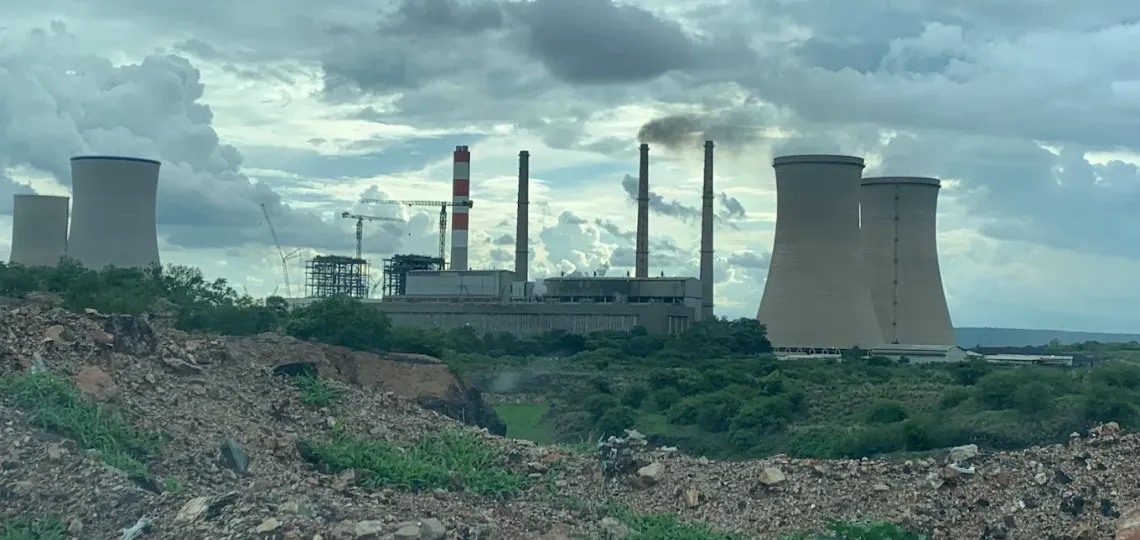
Corruption at Eskom, South Africa’s state-owned power utility, is costing the country an average of $55 million a month, plunging the country into a serious energy crisis. The devastating consequences of corruption are affecting Eskom’s ability to produce enough electricity to meet the needs of the population.

| Sectors | Coal |
|---|---|
| Themes | Regulation & Governance, Risks & Events, Corruption |
| Companies | Eskom |
Corruption is costing South Africa’s state-owned power utility Eskom an average of $55 million a month, as it is burdened by a heavy debt load and unable to produce enough power for the country in the midst of a severe energy crisis, the company’s former chief executive said Wednesday.
Under questioning from afar by a parliamentary committee on public accounts, Andre de Ruyter confirmed his statements about the level of corruption at Eskom in a document he submitted. “This is a conservative estimate based on my assessment of the losses incurred by Eskom that have been brought to my attention,” he said in the document.
South Africans without power for up to 12 hours a day
One billion rand, the equivalent of $55 million, “is stolen from Eskom” every month. For months, the 60 million South Africans have been without power for up to 12 hours a day. The continent’s leading industrial power is unable to draw enough electricity from Eskom’s antiquated and poorly maintained power plants.
And the situation could get worse with the arrival of the southern winter and an increase in demand. The electricity crisis is costing the economy some $50 million a day in lost production, according to the government. After years of mismanagement and corruption under President Jacob Zuma (2009-2018), Eskom now has a debt of 422 billion rand, currently the equivalent of nearly $23 billion, which the government is trying to pay off.
A plan to get out of fossil fuels
South Africa still gets 80% of its electricity from coal. A $98 billion investment plan was approved by rich countries last year at COP27 as part of an agreement for a “just transition” to clean energy.
Inducted as CEO of Eskom in 2020, Andre de Ruyter was abruptly ousted in February 2023. A few hours before his departure, he had accused senior government officials, including a minister he refused to name, of being involved in the looting of Eskom’s coffers in an interview. He expressed doubts about the government’s willingness to fight endemic corruption.