Japan and South Korea: Middle East conflict accelerates nuclear expansion
The Middle East conflict is accelerating nuclear expansion in Japan and South Korea, according to Wood Mackenzie. Coal fleets serve as a short-term buffer against LNG supply disruption.
| Sectors | Nuclear Energy, Fission, Gas, LNG, Coal |
|---|---|
| Themes | Policy & Geopolitics, Energy Security |
| Companies | Wood Mackenzie, Korea Electric Power Corporation |
| Countries | Japan, South Korea, Qatar, United Arab Emirates |
The Middle East conflict is reinforcing energy security as a central pillar of power planning in Japan and South Korea. According to new analysis from Wood Mackenzie, coal fleets could offset up to 70% of gas-fired generation in Japan and more than 100% in South Korea compared to the same season's levels in 2025, if utilisation rates increase significantly. Both markets remain relatively insulated from immediate supply disruptions, but the crisis is accelerating deep structural shifts.
Limited exposure to LNG disruptions
Japan's direct exposure to potential liquefied natural gas (LNG) supply disruptions through the Qatar-UAE corridor stands at approximately 6%, compared with around 15% for South Korea, according to Wood Mackenzie. Diversified procurement and long-term contracts offer both countries multiple layers of protection, delaying the impact of fuel price volatility on end users, according to Xiaonan Feng, principal analyst for Asia Pacific power and renewables research at Wood Mackenzie. Nuclear power is also emerging as a structural long-term security axis: TotalEnergies and EDF signed a 12-year nuclear deal for 400 MW, reflecting this trend on an international scale. Feng notes that the broader policy implications of the crisis are likely to be long-lasting.
In Japan, bilateral pricing mechanisms delay fuel cost pass-through by approximately three to six months. In South Korea, the cost-based power pool and retail tariff caps limit short-term volatility, though this places additional financial strain on Korea Electric Power Corporation (KEPCO). This pressure on market actors is accompanied by a growing drive to localise energy supply chains, a trend also visible in Europe with Vestas announcing an offshore nacelle factory in Scotland worth over 250 million euros.
Coal as a strategic system buffer
During the current shoulder season, coal fleets could offset up to 70% of gas-fired generation in Japan and more than 100% in South Korea compared to 2025 levels, if utilisation rates increase significantly. This flexibility is seasonal and would diminish during peak summer months when coal plants are already operating at higher capacity levels. "Coal continues to play an important role as a strategic reserve for both countries, particularly during periods of fuel market stress," Feng said.
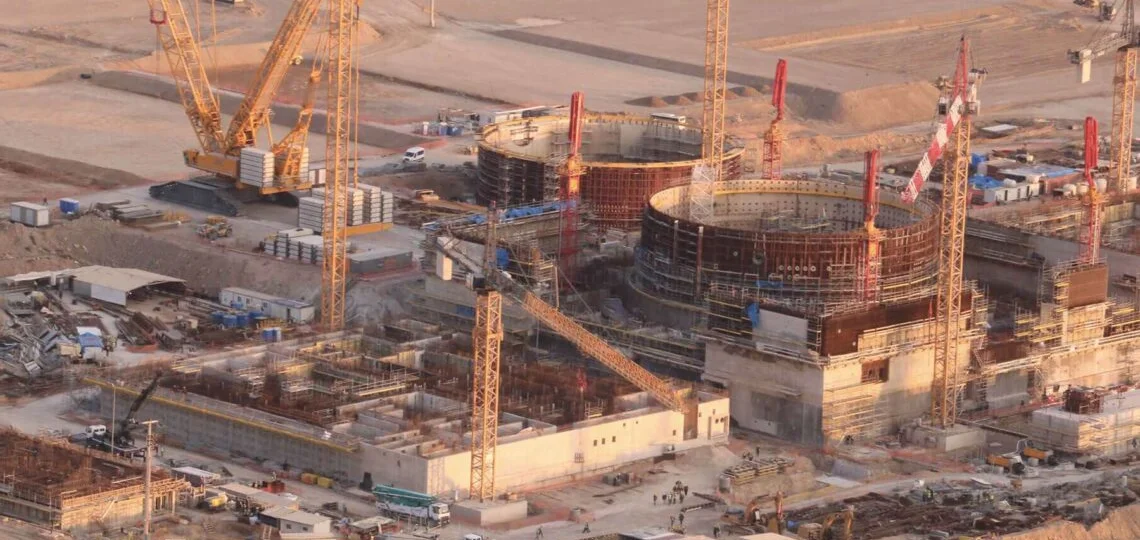
Japan's position is further supported by the restart of five nuclear reactors since 2022, adding 4.6 GW of baseload capacity insulated from fossil fuel price volatility. This capacity contributes to reducing dependence on gas imports and strengthens the resilience of the power system against external supply shocks.
Nuclear policy accelerates
In Japan, the transition from post-Fukushima nuclear minimisation to expansion is now firmly established. Nuclear power has become an essential component of long-term energy security, designed to meet rising demand — particularly from data centres — while reducing reliance on fossil fuel imports. In South Korea, nuclear is also gaining government and public support, with the government identifying it as a key lever to meet future electricity demand. According to Wood Mackenzie, decisions on lifetime extensions for approximately 7.8 GW of reactors due to reach design limits by 2030 will be decisive for the country's energy mix.
Both markets are also increasingly prioritising domestic supply chains within their energy transition strategies. Japan is reassessing its reliance on imported solar panels while focusing on next-generation technologies such as perovskite cells and expanding offshore wind capacity. South Korea has already moved to favour domestically manufactured equipment in recent offshore wind and battery storage auctions, signalling a shift toward localisation over lowest-cost deployment.
Outlook dependent on conflict duration
The extent of market impact will depend on the duration of the conflict, Wood Mackenzie noted. If disruptions persist into the peak summer demand period, the effectiveness of coal as a buffer will diminish, increasing exposure to tighter supply conditions. A stronger US dollar could also amplify cost pressures by increasing fuel import costs in local currency terms.
"The immediate risks are manageable, but the long-term direction is clear," Feng concluded. "Energy security considerations will continue to accelerate nuclear expansion, delay coal retirements and drive greater emphasis on domestic energy supply chains in both markets."