Indonesia Faces Financial Challenges in JETP: Uncertainties and Pressures
Indonesia must manage ambitious climate commitments while maintaining energy stability. The Just Energy Transition Partnership (JETP), aimed at mobilizing $20 billion, faces financial obstacles and uncertainties regarding international funding.
| Sectors | Coal |
|---|---|
| Themes | Investments & Transactions, Financing, Project Development |
| Companies | Asian Development Bank |
| Countries | Indonesia, United States |
Launched in 2022, the Just Energy Transition Partnership (JETP) for Indonesia aims to finance the country’s energy transition with $20 billion in public and private funds. This program relies on international financing, but several obstacles are slowing down its implementation.
International Funding Under Pressure
One of the main challenges of the JETP concerns the origin and stability of funds allocated to Indonesia. The country has repeatedly expressed, particularly through the Ministry of Energy and Mineral Resources, the necessity of receiving low-interest loans and concessional financing. These elements are crucial to prevent excessive financial strain on the state-owned electricity company PLN (Perusahaan Listrik Negara), which manages most of the country’s energy infrastructure.
The Asian Development Bank (ADB) has introduced an “Energy Transition Mechanism” (ETM) aimed at buying out and shutting down certain coal-fired power plants earlier than planned. However, the feasibility of this mechanism depends on developed countries’ ability to uphold their financial commitments.
Uncertainties Over U.S. Funding
The involvement of the United States, a key player in the JETP, has faced challenges after the country withdrew from the Paris Agreement under the Trump administration. Although the Biden administration has rejoined the agreement, Indonesia remains cautious about the continuity of U.S. financial support. This caution stems from the history of U.S. policy decisions and the political uncertainty surrounding environmental commitments in the country.
According to Indonesian officials, the lack of guarantees on American funding hinders long-term planning for energy transition. Additionally, disbursement complexities, often tied to administrative and technical requirements, slow down access to capital.
The Challenge of Closing Coal-Fired Power Plants
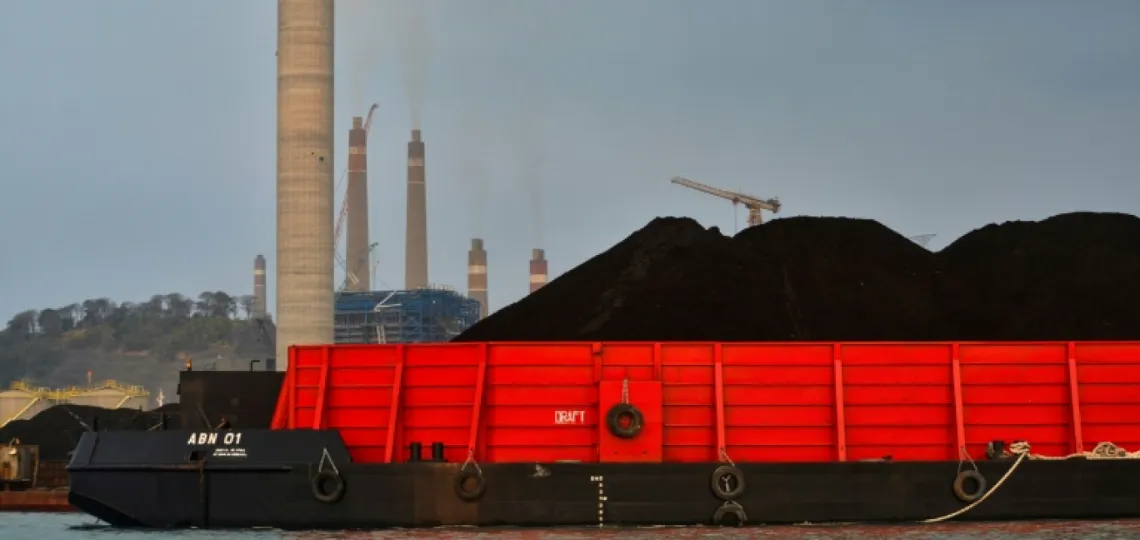
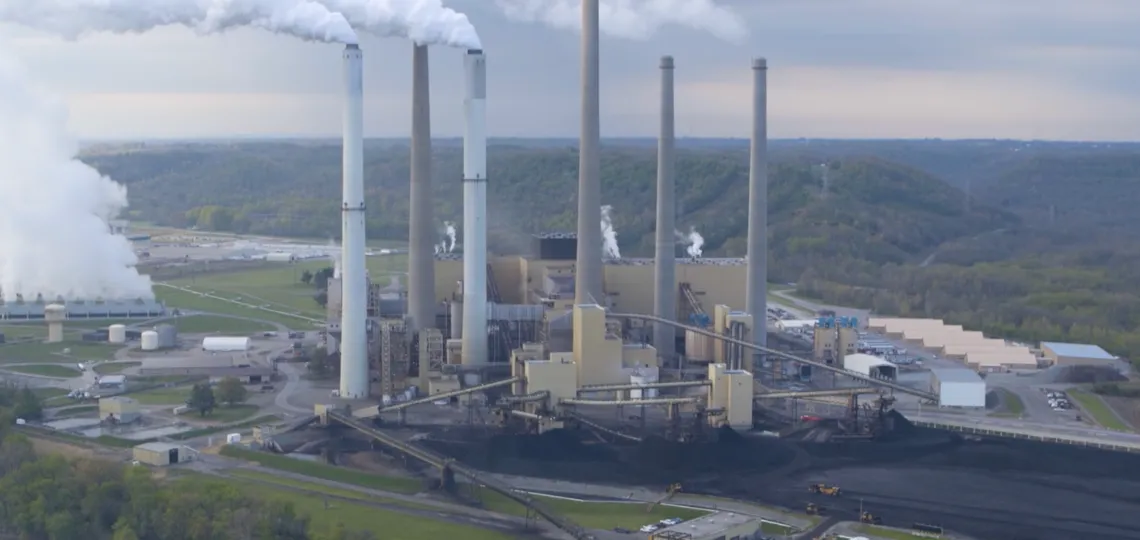
Indonesia remains highly dependent on coal to maintain the stability of its power grid. The early closure of power plants, without solid financial support, could lead to increased electricity prices or higher debt for PLN.
Analyses from local organizations and international NGOs highlight that the country must balance energy transition with supply security. Shutting down coal-fired power plants too quickly could pose economic and social risks, particularly for regions reliant on the coal industry.
A Redefinition of Priorities?
Given financial uncertainties, Indonesia may reconsider its energy transition priorities. Aligning climate goals with economic realities remains a major challenge, especially since the stability of international funding remains uncertain.
While the JETP symbolizes an ambitious international cooperation effort, achieving its objectives will depend on the actual financial commitments of partner countries. For Indonesia, the challenge is twofold: ensuring a gradual energy transition while avoiding excessive fiscal pressure on its economy.