Glencore gets the green light to buy coal mines
Canada authorizes Glencore to buy Teck Resources’ coal mines for $6.93 billion, finalizing a complex transaction.
| Sectors | Coal |
|---|---|
| Themes | Investments & Transactions, Corporate Investment |
| Companies | Teck Resources, Glencore, POSCO |
| Countries | Australia, Japan, South Korea |
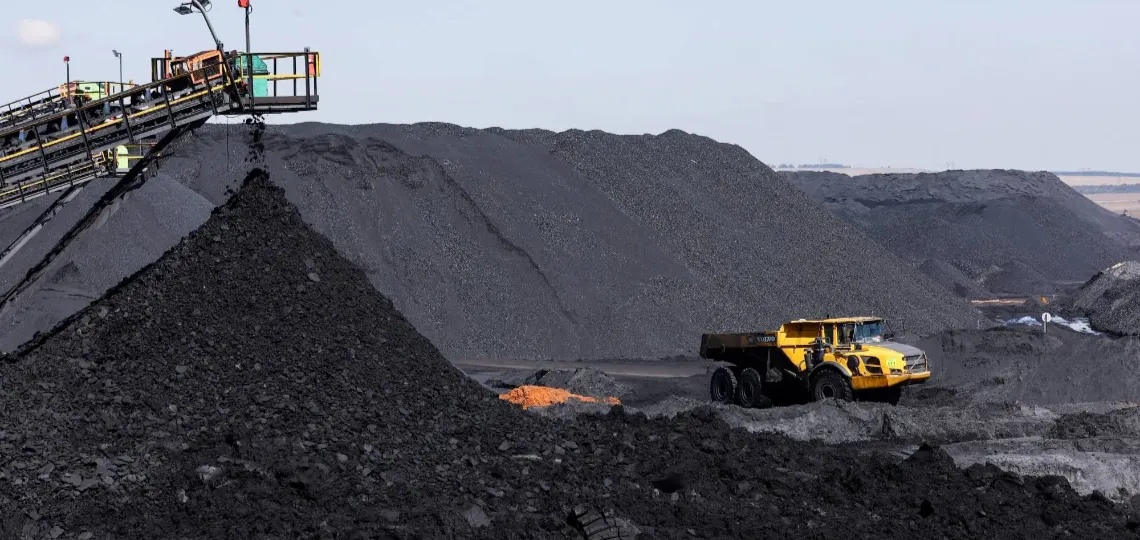
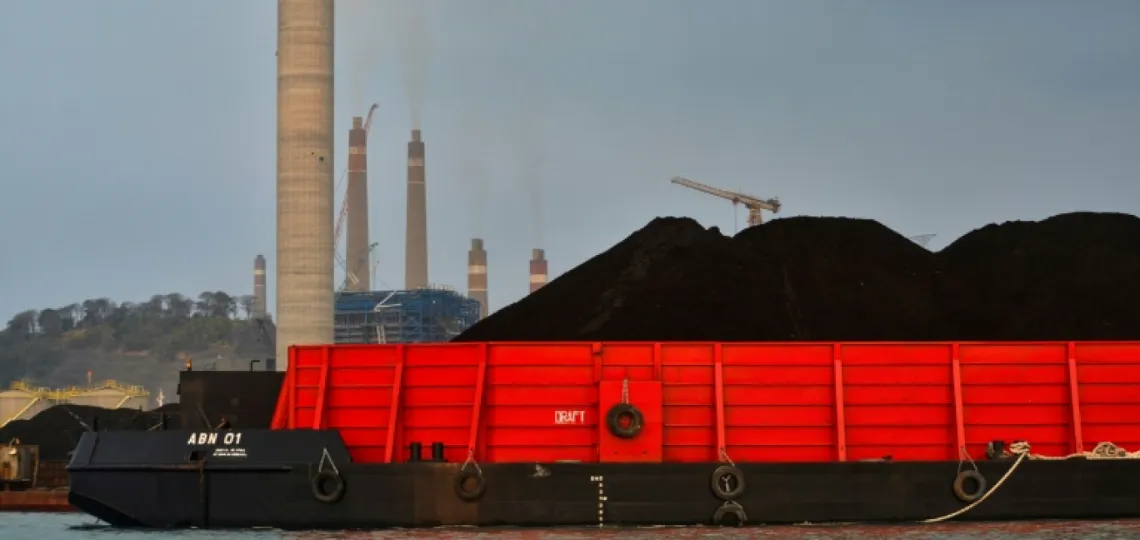
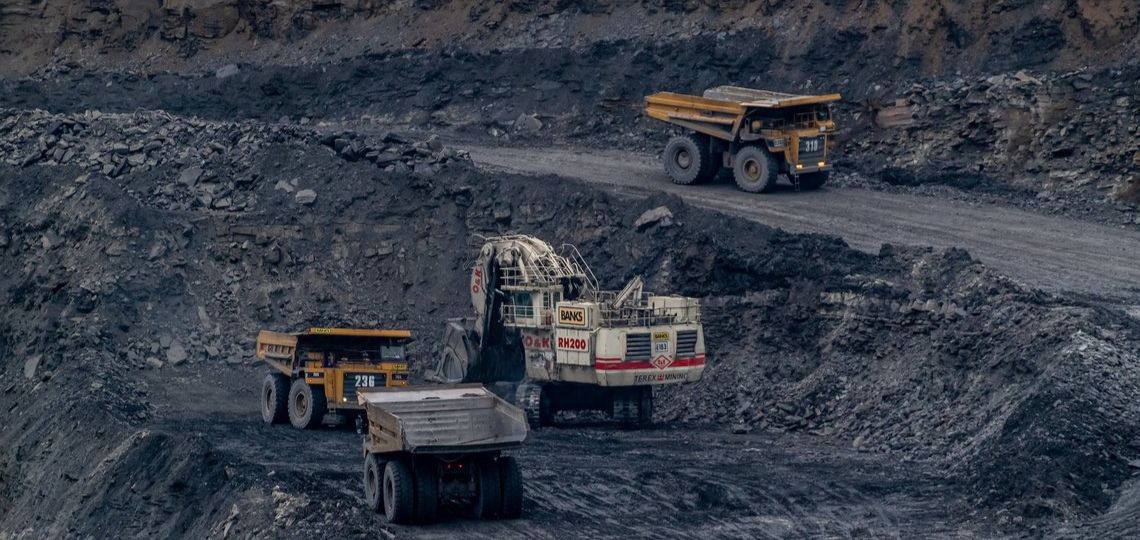
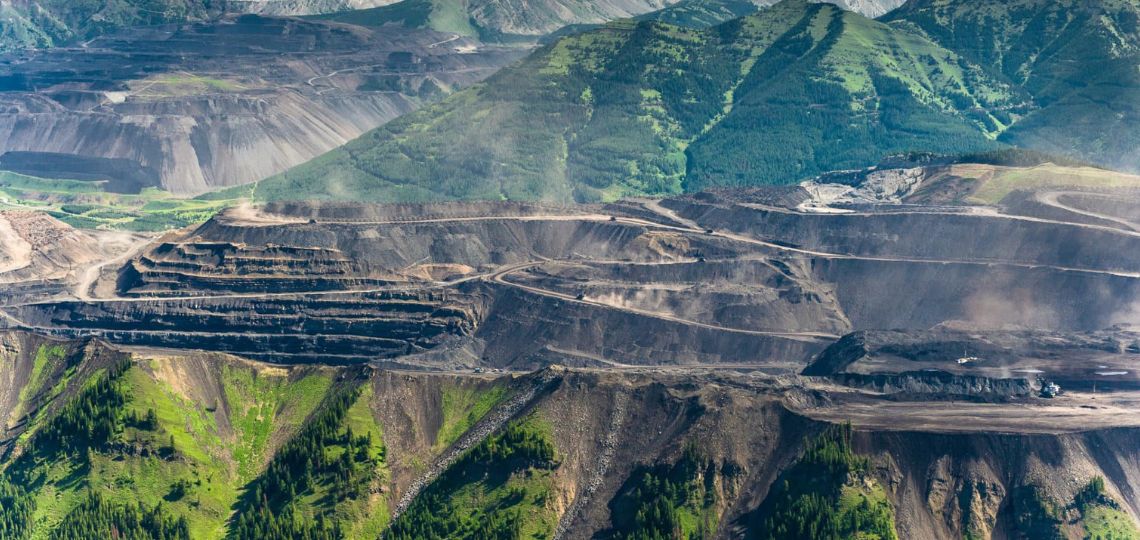
Swiss commodities giant Glencore has received approval from the Canadian government to complete the acquisition of Teck Resources’ steelmaking coal mines. This $6.93 billion purchase marks the end of an intense regulatory battle, and enables Glencore to significantly strengthen its position in the coal sector.
This green light was the final approval needed to complete the transaction, scheduled for July 11. Glencore began this process last year, facing several initial refusals and strong political opposition in Canada. Finally, Teck Resources agreed to sell a 77% stake in Elk Valley Resources (EVR), its coal subsidiary.
Strategic participation and outlook
Alongside Glencore, Nippon Steel Corporation and Posco have also acquired shares in EVR, respectively 20% and 3%. Glencore has announced that it will consult its shareholders on a possible demerger of its coal activities, envisaged to combine EVR’s operations with its own coal business.
This acquisition is crucial for Glencore, despite ongoing criticism of its involvement in coal, a resource disputed for its environmental impact. Since 2020, the Norwegian sovereign wealth fund has excluded Glencore from its investments because of its presence in the coal sector.
Expansion in Australia
At the same time, Glencore took over Mitsui Matsushima’s 32.5% stake in the Lidell mine in Australia. This open-pit mine, located in the Hunter Valley in New South Wales, was due to cease operations in 2023. However, Glencore still sees potential in this mine to generate synergies with its other operations in the region.
Mitsui Matsushima, Glencore’s long-standing partner in the mine, has agreed to pay A$27 million to take over the site’s rehabilitation obligations. This decision reinforces Glencore’s strategy of keeping its coal assets active for as long as possible, despite a general trend towards withdrawal from this resource by several competitors.
Glencore’s defense of coal
At the recent Annual General Meeting, Glencore CEO Gary Nagle strongly defended the company’s commitment to coal. He stressed that, although fossil fuels have no long-term future, they remain essential in the short and medium term, especially for the energy needs of developing countries.
This position was hotly contested by environmental activists and union representatives, who demonstrated at the meeting using drums and black pigments to symbolize coal pollution. However, Nagle reaffirmed the need to manage coal mines responsibly until they are completely exhausted.
Glencore’s dual strategy – expansion in Australia and consolidation in Canada – illustrates the complexity of global energy issues, where development needs must be balanced with environmental imperatives.