Germany extends electricity price aid to 2,200 companies
The German Ministry of Economy plans to significantly expand aid aimed at reducing industrial electricity costs, increasing eligible companies from 350 to 2,200, at an estimated cost of €4bn ($4.7bn).
| Sectors | Wind Energy, Solar Energy, Biomass Energy |
|---|---|
| Themes | Regulation & Governance |
| Countries | Germany |
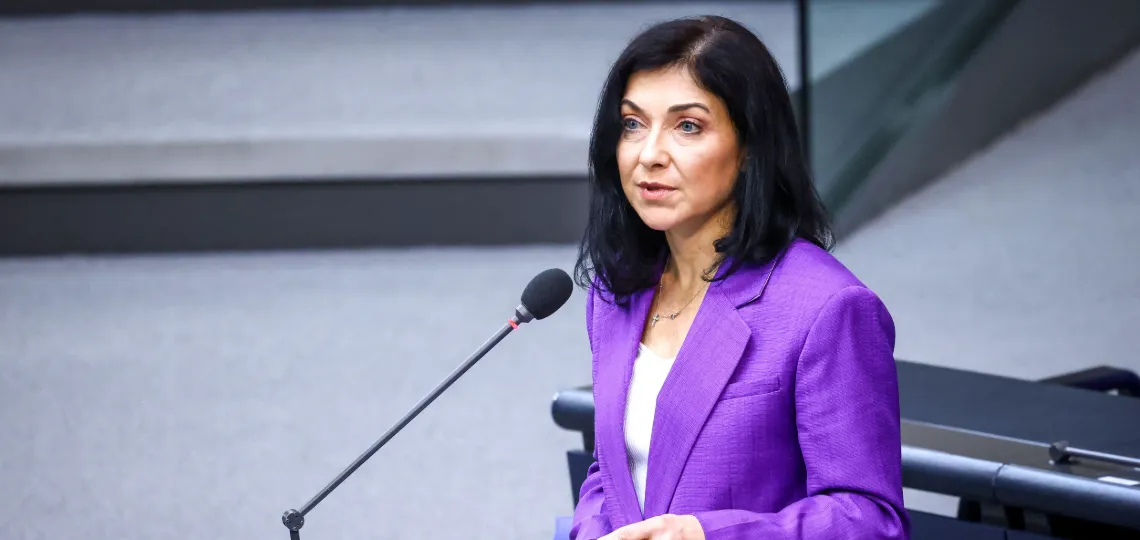
The German Ministry of Economy is preparing a major expansion of aid aimed at reducing electricity costs for the industrial sector. According to sources close to the matter quoted by the Financial Times on July 6, German Economy Minister Katherina Reiche wishes to substantially increase the number of companies eligible for this programme, from 350 to 2,200.
A cost estimated at €4bn over three years
The proposal mainly targets energy-intensive industries, notably including the chemicals, plastics, and glass sectors. According to estimates reported by the British daily, the total cost of the programme would be approximately €4bn ($4.7bn). This amount would finance up to 50% of electricity costs borne by these companies over a three-year period.
This initiative comes after the Finance Ministry introduced its budget framework for 2026, initially limiting aid to only the industrial, agriculture, and forestry sectors. This limitation had excluded many companies considered ineligible due to budget constraints.
Compliance with new European regulations
According to a statement from the German Ministry of Economy reported by the financial daily, these expanded measures would align with recent rules established by the European Union (EU). Indeed, these rules allow up to 2,200 companies classified as “energy-intensive and exposed to international competition” to benefit from financial assistance covering up to half of their electricity costs.
However, the ministry specified that this concept was still under development. No further details on the precise criteria for beneficiary selection or exact implementation timetable have yet been communicated.
Multiplier effect through value chains
The ministry emphasised that sectors targeted by this aid have a significant multiplier effect across the entire economy through their extensive value chains. The aid has been qualified as “quick and reliable” by ministerial sources cited by the Financial Times, aiming to stabilise these essential industrial sectors and maintain their competitiveness in international markets.
Katherina Reiche announced last month her intention to present a concrete proposal regarding this measure before the summer holidays. The German Ministry of Economy expects the scheme to be implemented by the end of the year.