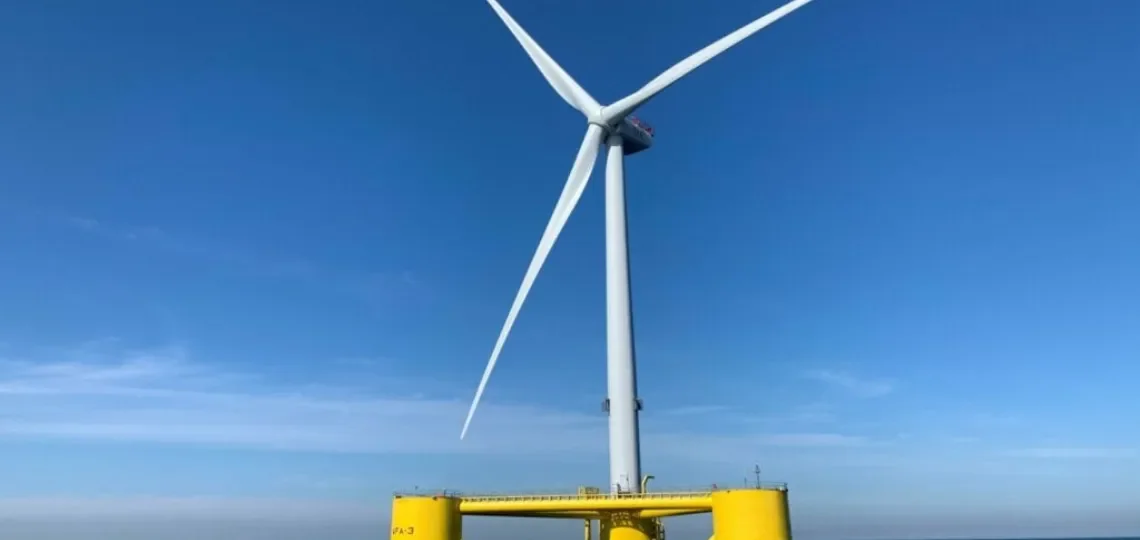
First test of ENERCON’s E-175 EP5 E2 turbine in Germany
ENERCON’s E-175 EP5 E2 prototype fed electricity into the grid for the first time this week. The model is positioned as the new flagship in the German manufacturer’s onshore turbine range.
| Sectors | Wind Energy, Onshore |
|---|---|
| Themes | Project Development, Commissioning |
| Companies | Enercon |
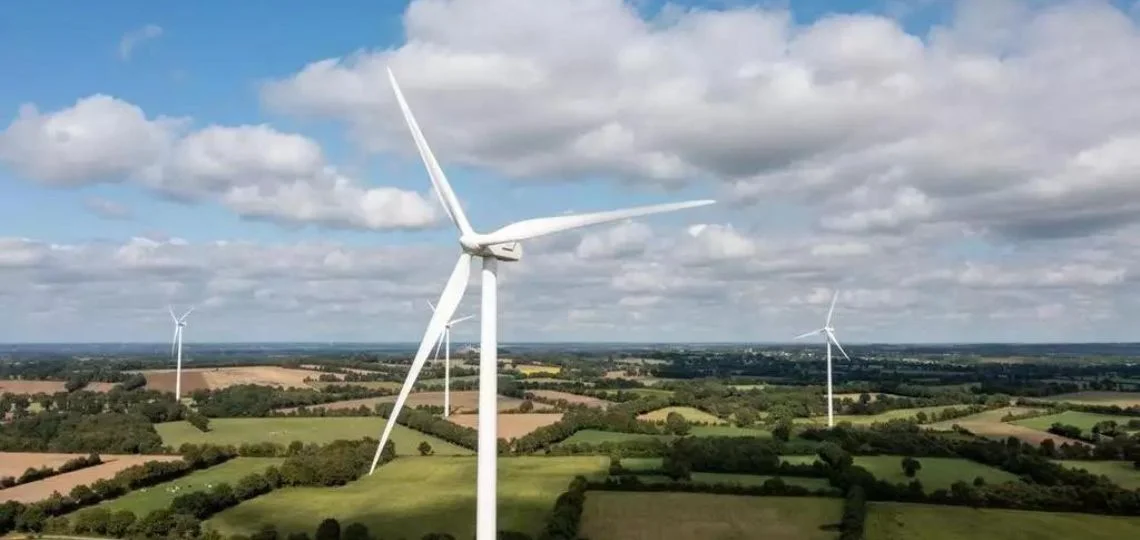
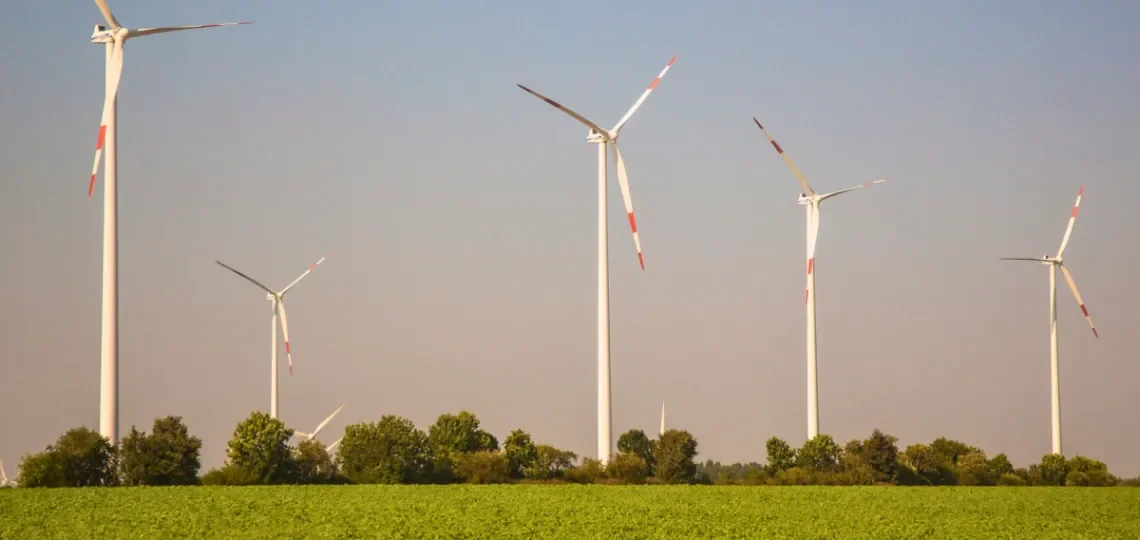
The prototype of ENERCON’s E-175 EP5 E2 turbine successfully completed its first electricity production test this week, feeding its first kilowatt-hour into the grid at Wachendorf in Lower Saxony. The milestone marks a key stage in the company’s prototype programme.
“This is great news,” said Jann-Hendrik Wehmeyer, Project Manager Generator in the E2 programme at ENERCON. “The entire team worked very hard to complete this important milestone,” he added.
One of the most powerful turbines on the European market
The E-175 EP5 E2 turbine has a rated power of 7.0 MW and a rotor diameter of 175 metres. These specifications place it among the most powerful and highest-yielding onshore models in the European market, according to data released by ENERCON.
The turbine is the top model in the EP5 series, designed to optimise production on high-potential onshore sites. It succeeds the base E-175 EP5 version, which delivers 6.0 MW of rated power.
Innovative generator designed for modular transport
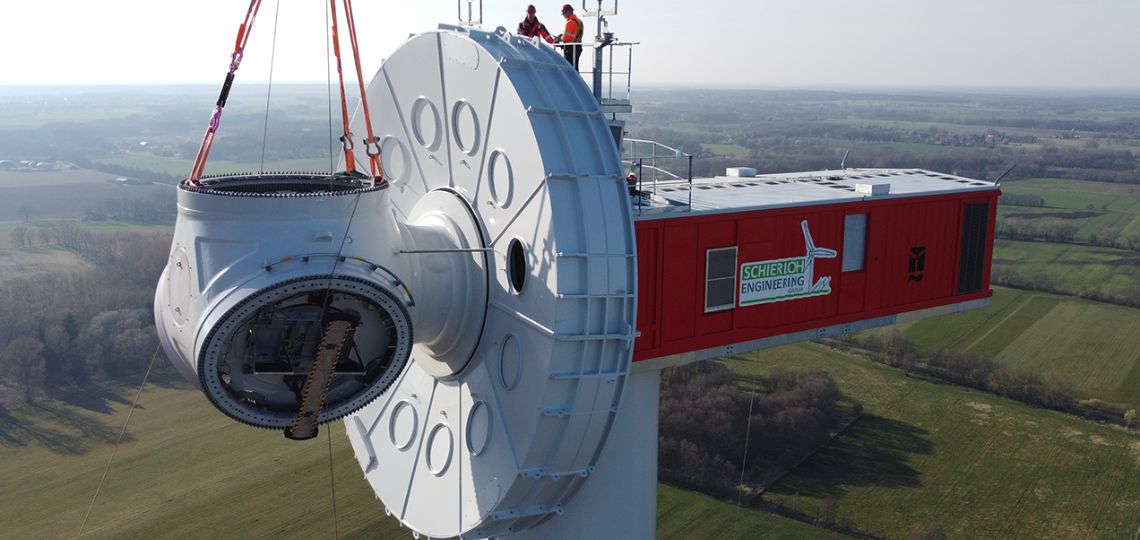
The E-175 EP5 E2 features a newly designed generator with an external rotor, a configuration chosen to allow for a larger air gap diameter. This design aims to generate higher torque and, therefore, greater power output.
To enable more efficient transport, the generator is built in two halves, delivered separately, and assembled on-site during system installation. This approach was applied for the second time at Wachendorf, following an initial test stand installation in Aurich.
Power ramp-up and technical validation ongoing
The installation at Wachendorf proceeded without incident, according to information provided by ENERCON. The company now plans a gradual power ramp-up to reach the turbine’s full rated capacity.
Additional test campaigns and measurements are scheduled to validate the performance of the new system. These steps are essential before a potential move to serial production of the new technology.