European Energy launches e-methanol production and posts strong results
European Energy has begun commercial e-methanol production in Denmark and reported an EBITDA of €45.9mn, while accelerating its international expansion, particularly in Australia.
| Sectors | Wind Energy, Solar Energy, Hydrogen Energy, Methanol, Photovoltaic, Onshore |
|---|---|
| Themes | Markets & Finance, Results |
| Companies | European Energy |
| Countries | Australia, Brazil, Denmark, Sweden |
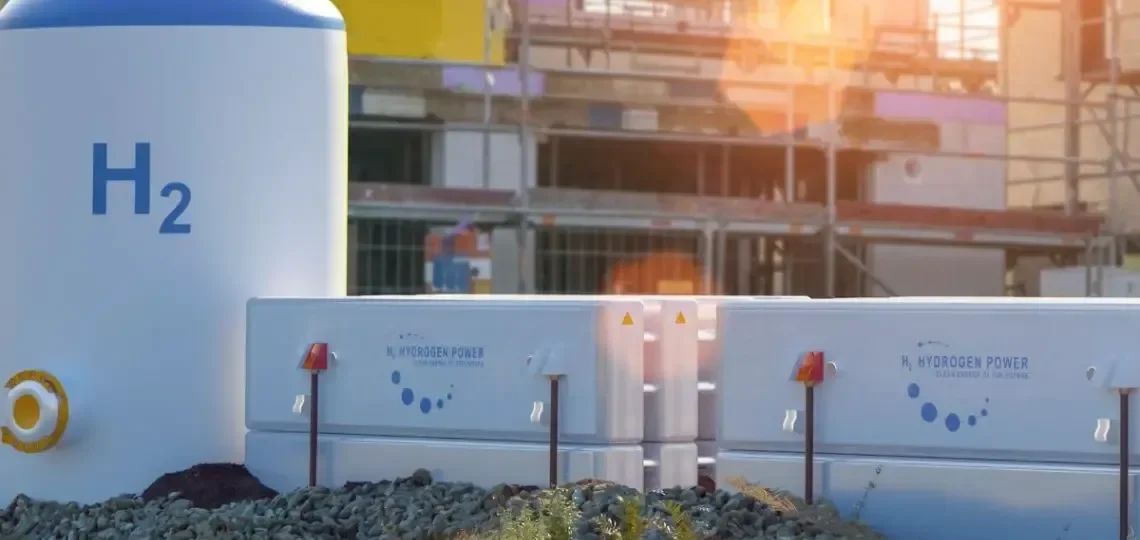
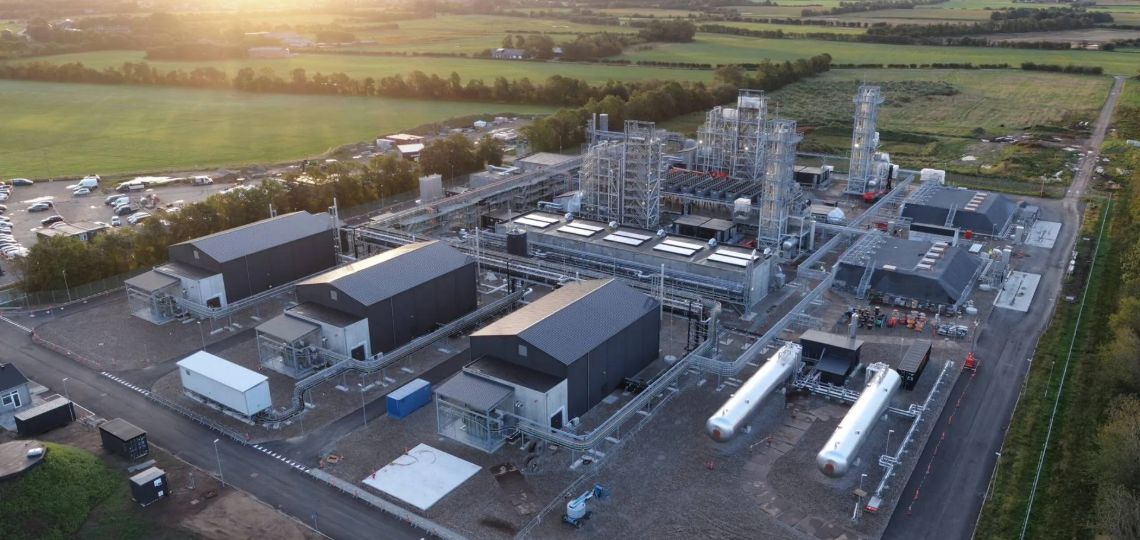
European Energy began 2025 with strong financial results and a major industrial milestone. The Danish company produced its first tonnes of e-methanol using renewable electricity at its Kassø site in southern Denmark. The plant has an annual capacity of 42,000 tonnes and began commercial deliveries immediately after the end of the first quarter. This is the first e-methanol certified under the ISCC EURFNBO standard.
Financial results driven by project divestments
In the first quarter, European Energy reported EBITDA (earnings before interest, taxes, depreciation and amortisation) of EUR45.9mn ($49.6mn). Profit before tax reached EUR35.3mn ($38.2mn), largely driven by project divestments in the United States and Denmark. The company maintains its full-year forecast between EUR200mn and EUR300mn ($216mn to $324mn). Energy sales came in below expectations due to weaker-than-average wind resources in Central Europe and subdued market prices.
The construction portfolio reached 1,219 megawatts (MW) at the end of the quarter, up from 1,151 MW at the end of the previous year. Total electricity production amounted to 496 gigawatt hours (GWh), mainly from Denmark, Brazil, Poland, Germany and Sweden.
Australian expansion and asset digitalisation
European Energy has expanded its international footprint with the inauguration of the Mokoan Solar Park, with a capacity of 58 MW, in Victoria, Australia. This project marks the company’s first solar plant built in the country, where its portfolio now totals 9 gigawatts (GW). Australia is now seen as a strategic growth area.
The company reported ongoing investment in digitalisation, with data-driven management systems to optimise the performance of its energy assets. This development aligns with a strategy aimed at maximising operational returns in a fast-evolving energy market.
Stronger positioning in European markets
All revenue generated by European Energy in the first quarter derived from activities aligned with the European Union’s taxonomy, in line with EU objectives for climate change mitigation. This regulatory compliance represents an advantage in a context of increasing support for electrification and energy independence through the EU’s Clean Industrial Deal.
Despite global trade tensions, particularly with the United States, the company reported that its core markets – Europe and Australia – remain unaffected. Components are procured at global market prices without specific import tariffs.
“Producing our first e-methanol from renewable electricity is a tangible step forward in developing alternative fuels,” said Jens-Peter Zink, Deputy CEO of European Energy.