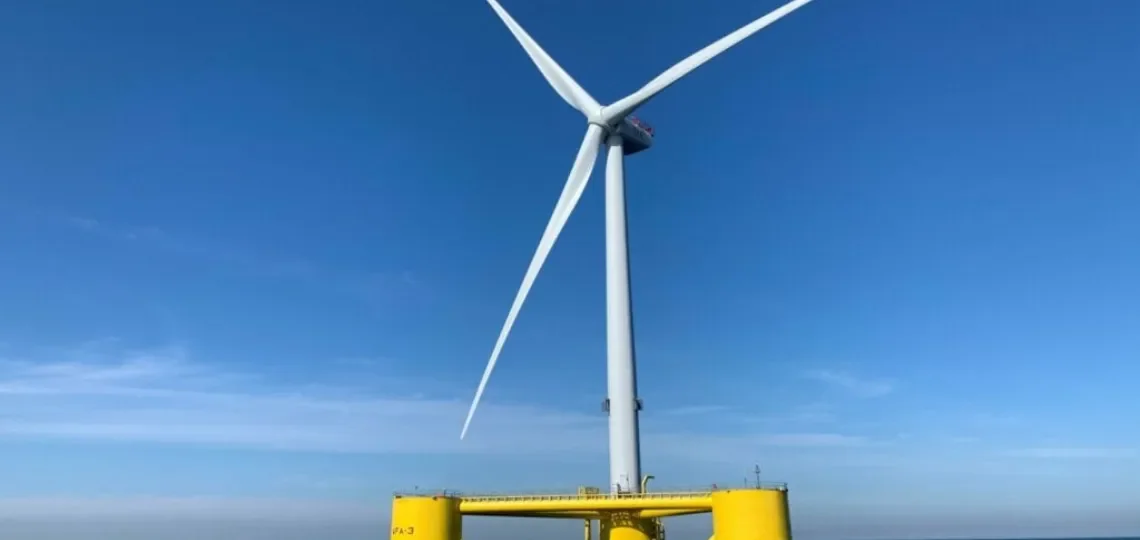
Envision Energy obtains an environmental declaration for its 6 MW wind turbines
Envision Energy has published an environmental product declaration for two of its turbines, a milestone certified to ISO standards aimed at strengthening its position in international wind markets.
| Sectors | Wind Energy, Onshore |
|---|---|
| Themes | ESG & Society, CSR |
| Companies | Envision Energy |
| Countries | China, Italy |
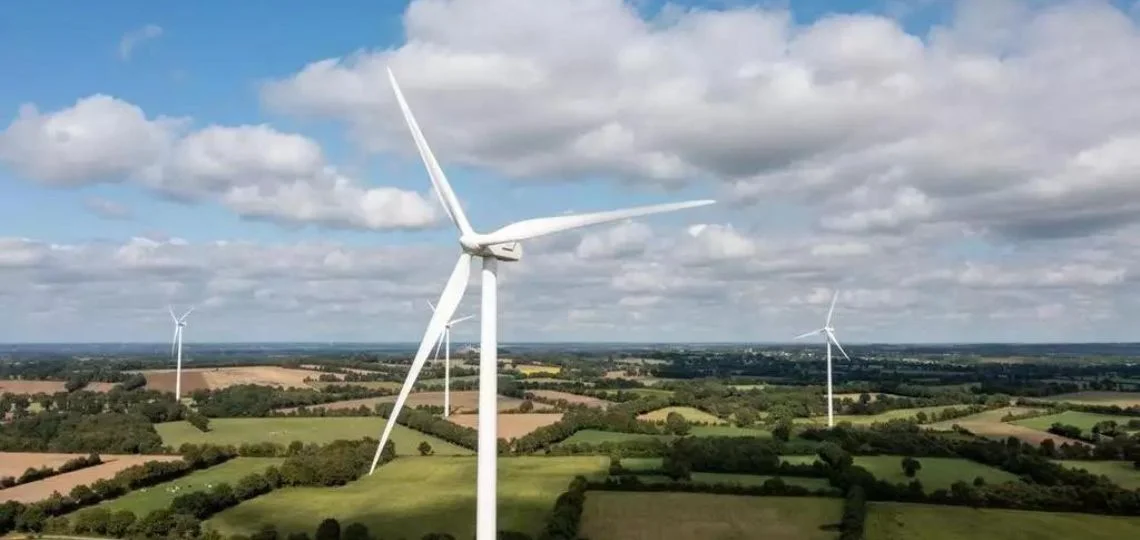
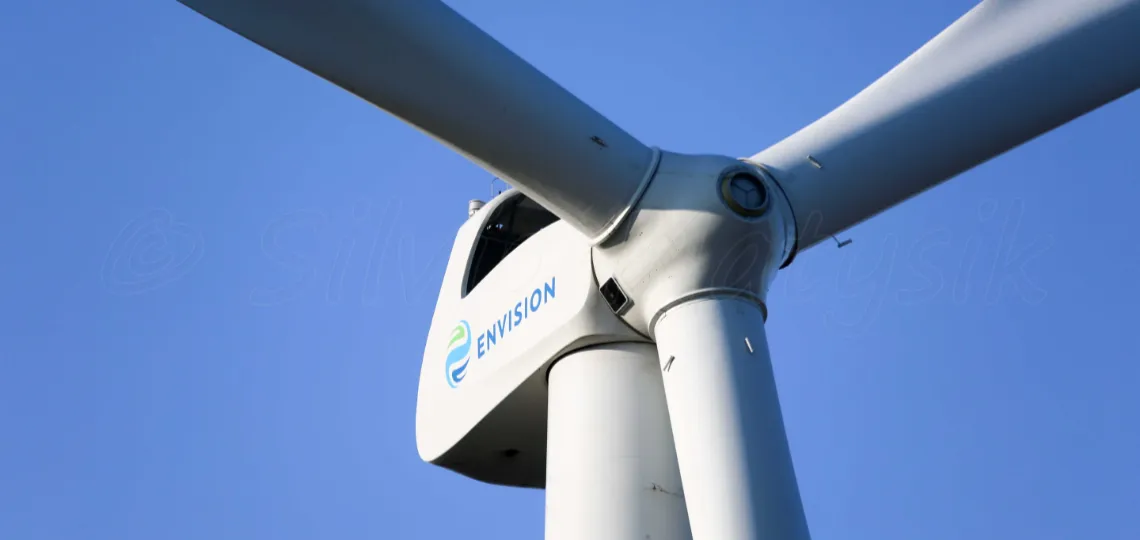
The Chinese manufacturer Envision Energy announced it had obtained an Environmental Product Declaration (EPD) for its EN-171/6.0/6.25/6.5 and EN-182/6.25 wind turbine models. The document, now available on the Italian platform EPDItaly, certifies the environmental impacts of the turbines throughout their life cycle. The approach aims to strengthen the competitiveness of the company’s products in regulated markets, where environmental traceability is becoming a key selection criterion.
The EPD is based on a Life Cycle Assessment (LCA), in line with ISO 14025, ISO 14040 and ISO 14044 standards, as well as the EPDItaly013 Product Category Rules (PCR) specific to wind turbines. It assesses, among other things, Global Warming Potential (GWP), Acidification Potential (AP) and Eutrophication Potential (EP), thereby providing quantified benchmarks for managing greenhouse gas emissions across supply chains.
Certifications and recyclability of components
Envision Energy states that its turbines have a materials recyclability rate between 85% and 90%, the result of lightweight design and optimised use of raw materials. The company applies a “cascade utilisation” approach, integrating material efficiency from the earliest phases of industrial design. The LCA also enables a comprehensive mapping of the carbon footprint by component.
The manufacturer has deployed digital environmental management tools globally, using the proprietary EnOS Ark platform for emissions calculation. This platform is intended to standardise LCAs across its product portfolio and supply chains, in line with international requirements for non-financial reporting.
Industrial partnership and digital integration
Through closer collaboration with its suppliers, Envision Energy has connected all key partners to a carbon management system based on the Internet of Things and artificial intelligence (AIoT). In 2024, 18% of these suppliers reported using exclusively renewable electricity for components delivered to Envision. The company targets 100% green power in its core supply chain by 2028.
The turbines are also equipped with the Galileo SuperSense system, a digital twin platform for real-time monitoring of equipment health. This technology is designed to optimise maintenance, increase energy yield and extend the operational life of machines, aligned with objectives to reduce carbon intensity at wind farm scale.
Differentiation strategy in international markets
This initiative forms part of Envision’s effort to differentiate beyond price on markets increasingly focused on ESG (Environmental, Social, Governance) indicators. By obtaining this EPD aligned with European standards, the company seeks to position its products in international tenders that include environmental criteria.
According to the information provided, Envision is also developing a database dedicated to LCAs, intended to strengthen the reliability of information shared with regulators, clients and investors. This approach is expected to improve the clarity of environmental disclosures for energy equipment among public and private decision-makers.