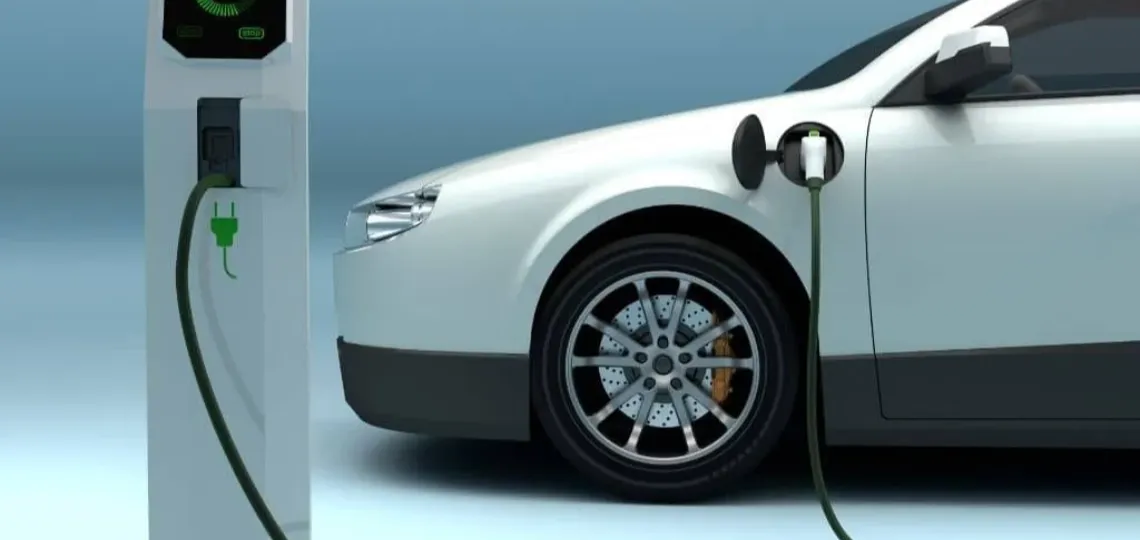
Norway’s car market crossed a new milestone in 2025, with 95.9% of newly registered passenger vehicles being fully electric. This figure marks the final step in a national target to end sales of new combustion-engine cars starting the same year. According to data from the Norwegian Road Traffic Information Council (Opplysningsrådet for Veitrafikken, OFV), 179,549 new passenger vehicles were registered in 2025, setting an all-time annual record.
A surge in registrations linked to tax reform
Registrations accelerated sharply in December, with 35,188 new vehicles recorded during the month, a 157.7% year-on-year increase. Electric vehicles held a 97.6% market share during that period. The spike was linked to consumer anticipation of a tax change effective January 1, 2026. The Norwegian government lowered the price threshold for exemption from the value-added tax (VAT) from NOK500,000 to NOK300,000 (approximately €25,500 / $27,800), reducing the fiscal advantage for higher-end models.
According to the OFV’s Director General, the reform prompted many buyers to bring forward their purchases. The complete removal of the exemption, originally planned for 2027, has been postponed to 2028, with a new interim threshold of NOK150,000 set for 2027.
Tesla leads as Chinese brands expand
Tesla consolidated its position as market leader in Norway, accounting for 19.1% of new car sales in 2025 with 34,285 units registered. Its flagship Model Y alone reached 27,621 registrations. Chinese manufacturers also strengthened their presence, led by BYD. Chinese-made cars accounted for 13.7% of the market, up from 10.4% in 2024, or 24,524 vehicles.
While Norway’s overall car fleet remains majority combustion-powered, electric models have now surpassed diesel vehicles in circulation. The remaining 4.1% of 2025 sales included hybrids and combustion-engine vehicles used for specific purposes.
A contrast with Norway’s global energy role
Norway’s shift to electromobility is occurring alongside its continued role as a major hydrocarbons producer. In 2024, the country supplied over 30% of the gas consumption in the European Union and the United Kingdom. Hydrocarbons accounted for more than half the value of Norway’s total goods exports, according to national statistics.
The country’s rapid automotive electrification relies on a largely decarbonised electricity supply, with hydropower making up nearly 92% of the national energy mix. The contrast between this transition and Norway’s fossil fuel export economy remains a point of discussion in the sector.