Brazil launches roadmap to reduce its dependence on oil
The Brazilian government has been instructed to define within two months a plan for the gradual reduction of fossil fuels, supported by a national energy transition fund financed by oil revenues.

| Sectors | Oil |
|---|---|
| Themes | Regulation & Governance, Public Policy |
President of the Federative Republic of Brazil, Luiz Inácio Lula da Silva, has instructed his government to develop a roadmap to reduce the country’s dependence on fossil fuels. This initiative follows the commitments announced during the 30th United Nations Climate Conference held in Belém in November, where Brazil pledged to draft a national energy transition plan, despite the absence of an international agreement on phasing out fossil fuels.
A plan expected within 60 days
The Ministries of Finance, Environment and Mines have been jointly tasked with drafting the guidelines for a gradual reduction in the use of fossil fuels. According to an official publication, the plan must be submitted within 60 days for review by the National Energy Policy Council, an advisory body attached to the executive.
A fund financed by oil revenues
One of the central elements of the proposed framework is the creation of an Energy Transition Fund. This mechanism would be funded by revenues from the country’s oil production, which remains the leading hydrocarbons producer in Latin America. The measure aims to ensure sustainable financing for transition policies without compromising current fiscal income.
A contrasting strategy in the oil sector
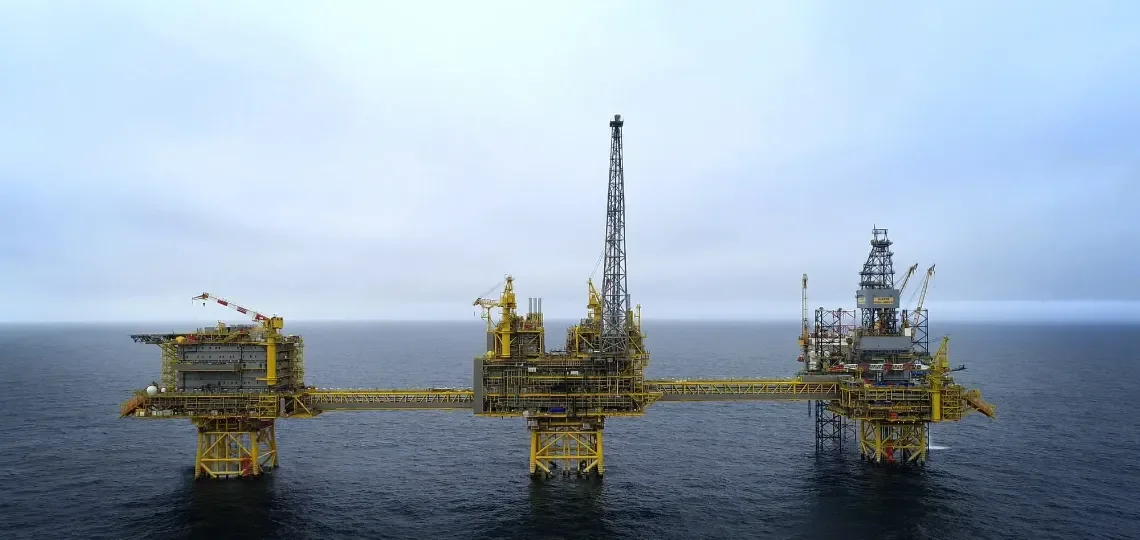
The launch of this roadmap comes as Petróleo Brasileiro S.A. (Petrobras), the state-controlled oil company, continues exploratory drilling near the mouth of the Amazon. This campaign is being conducted with the support of President Lula, despite concerns expressed by some members of the government about the environmental risks involved.
Balancing climate goals and economic interests
Brazil, which derives a significant share of its export revenues from the oil sector, is seeking to balance its international climate commitments with the need to maintain profitability from its natural resources. The announcement of a roadmap is thus part of a progressive transition framework rather than an immediate rupture, with financial mechanisms based on current extractive sector flows.