Bosnia faces the coal challenge between dependence and environmental pressures
Bosnia faces the coal challenge between dependence and environmental pressures
| Sectors | Coal |
|---|---|
| Themes | ESG & Society, Biodiversity & Impact |
| Companies | Banque Mondiale |
| Countries | Bosnia and Herzegovina |
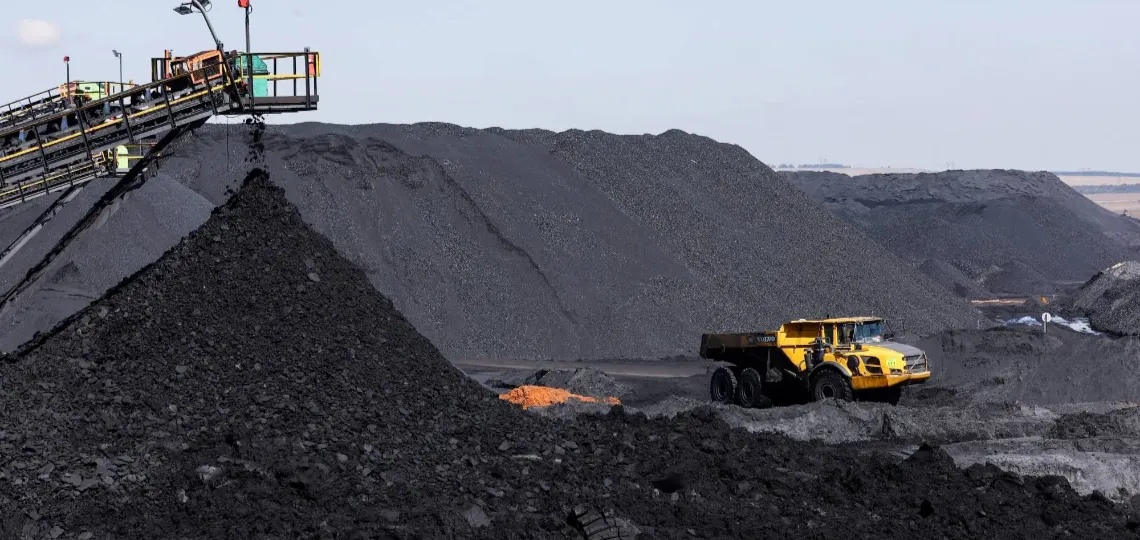
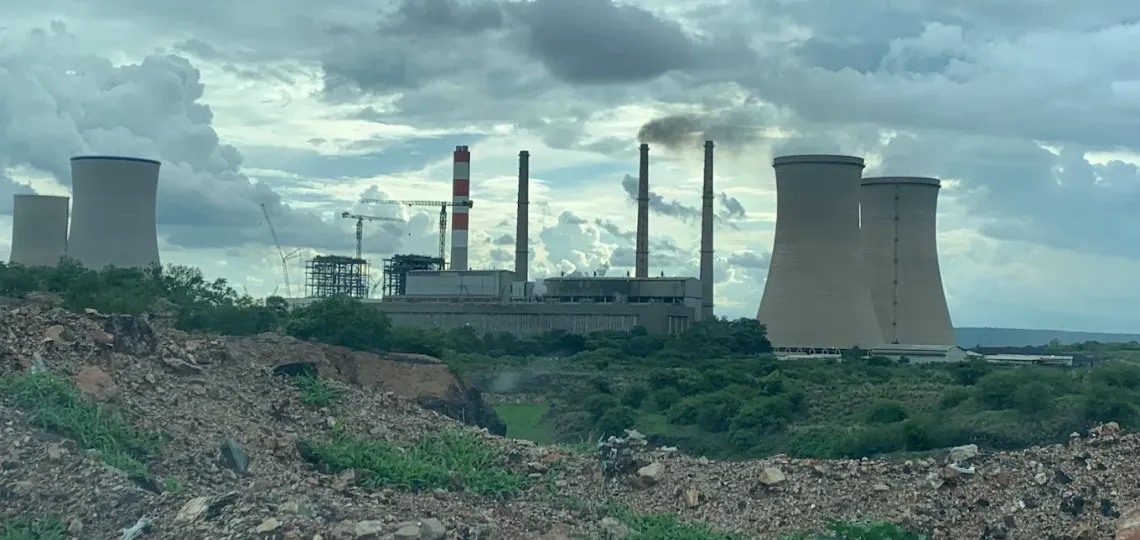
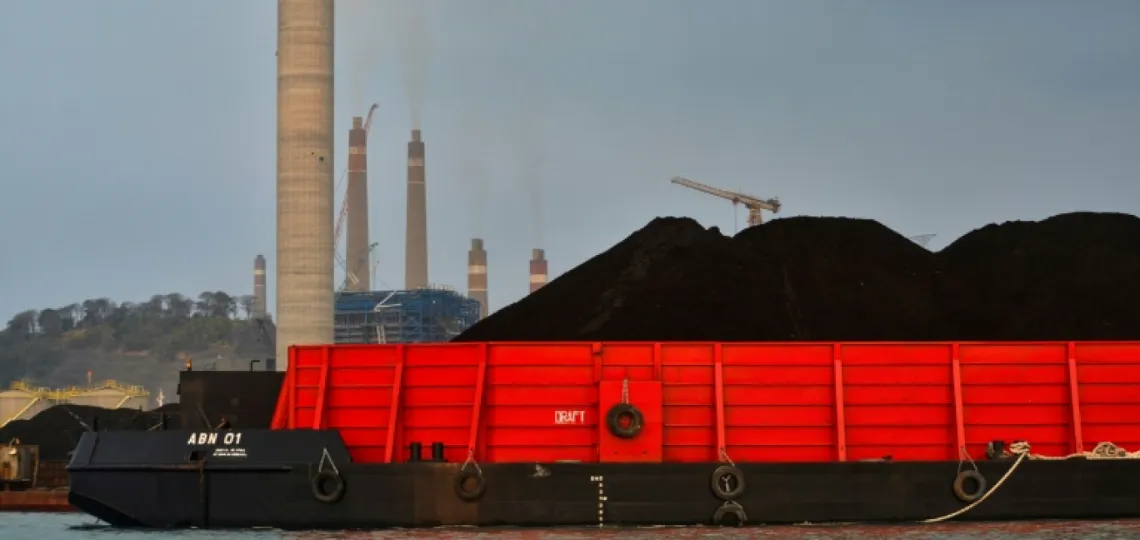
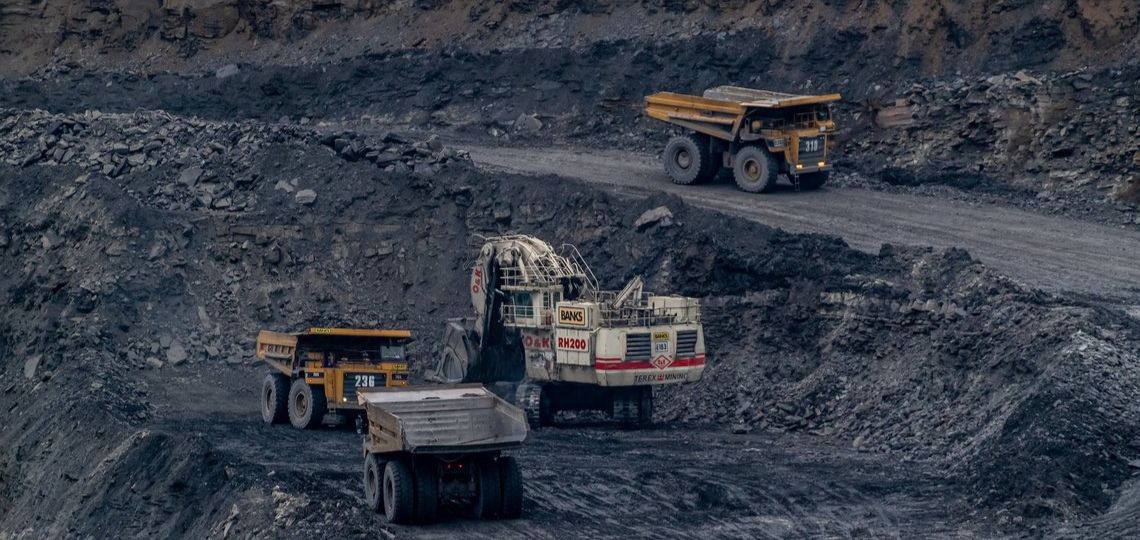
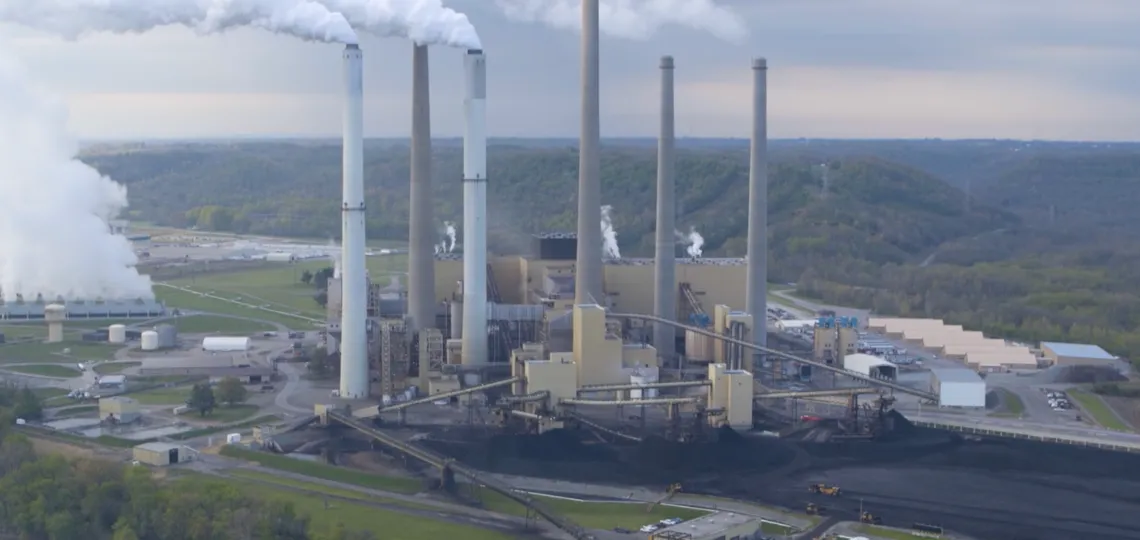
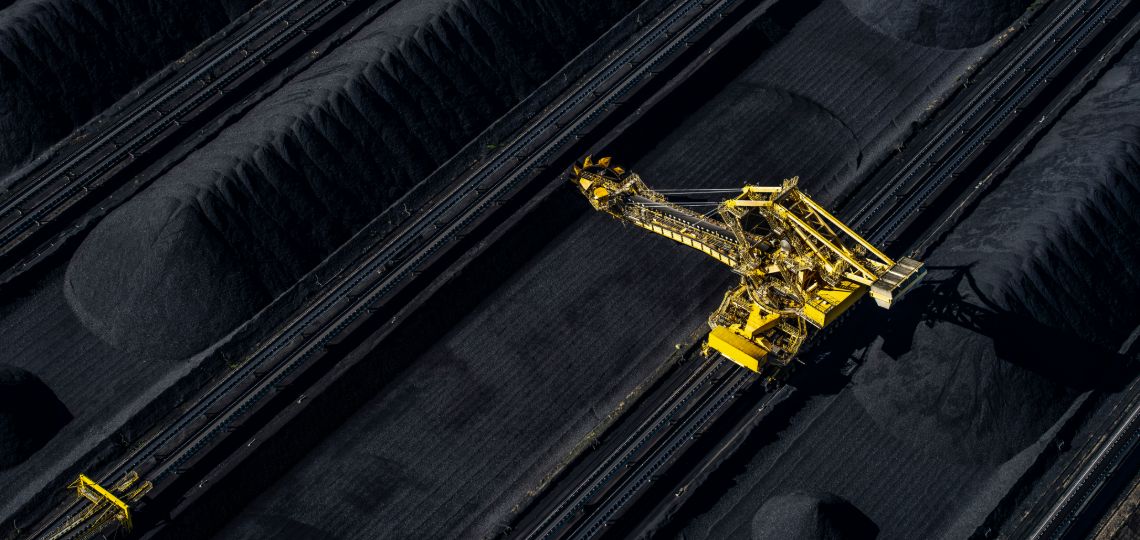
Bosnia and Herzegovina, a nation in the Western Balkans, is at a decisive turning point in its energy history. Despite international commitments to reduce greenhouse gas emissions, coal remains the cornerstone of its economy. The Tuzla thermal power plant, supplied by the Mramor mine, is at the heart of this complex dependence.
Coal at the center of the economy and pollution
Coal is omnipresent in Bosnia’s energy production, accounting for 94% of its annual production, estimated at 13 million tons. This resource, widely used in thermal power plants and households, is also the main source of air pollution. Sarajevo, where coal heating is common, is often ranked among the most polluted cities in the world. A World Bank report estimates that 3,300 premature deaths annually are linked to air pollution in Bosnia.
Paradoxically, coal is also an economic driver. With exploitable reserves of 2.6 billion tons, Bosnia is the only net electricity exporter in the Western Balkans. Nearly 30% of the national production is exported, generating 430 million euros in 2023.
Ambitious yet complex and costly transformation
The Bosnian government has pledged to fully decarbonize its energy sector by 2050. However, this transformation requires significant investments. Experts estimate that replacing the 2,300 MW from current thermal power plants would require installing 5,000 MW of wind power or 10,000 MW of solar power, amounting to billions of euros in costs.
The state-owned company Elektroprivreda BiH plans to shut down two thermal power blocks by 2027 and invest 170 million euros to modernize the remaining installations. Simultaneously, 511 million euros will be allocated to renewable energy development, with 450 MW expected by 2028.
However, the European carbon tax, set to apply in 2026, and criticism from environmental groups like Aarhus Center highlight a slow and insufficient transition. The coal dependency could collapse by 2035, jeopardizing thousands of jobs.
The social repercussions of a delayed transition
Mine closures are already impacting local communities. In Zenica, the end of mining operations left 600 miners unemployed and a social debt of 71.5 million euros. These workers, often without full social contributions, face growing precariousness.
Bosnia will need to invest not only in modern energy infrastructure but also to address the social and environmental costs of this transition. The open question remains: can it reconcile its economic ambitions with its climate commitments?