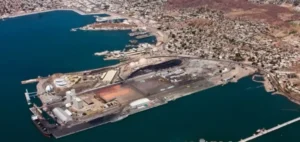
Gunvor commits to 0.85 million tonnes per year of liquefied natural gas from AMIGO LNG, marking a strategic step forward for Asian and Latin American supply via the Guaymas terminal.
Black Hills Corp. and NorthWestern Energy merge to create a $15.4 billion regulated energy group, operating in eight states with 2.1 million customers and a doubled rate base.
The Pimienta and Eagle Ford formations are identified as pillars of Pemex’s 2025-2035 strategic plan, with potential of more than 250,000 barrels of liquids per day and 500 million cubic feet of gas by 2030.
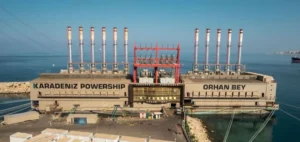
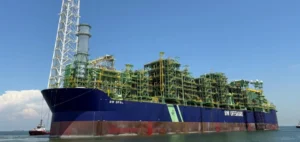
Karpowership and Seatrium formalize a strategic partnership to convert floating LNG units, strengthening their joint offering in emerging mobile electricity markets.
Africa Energy strengthens its position in the gas-rich Block 11B/12B by restructuring its capital and reinforcing strategic governance, while showing a clear improvement in financial performance in Q2 2025.
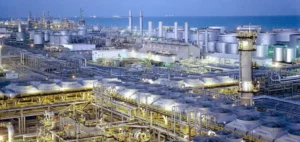
Aramco finalizes a strategic agreement with an international consortium led by GIP, valuing its midstream gas assets in Jafurah at $11 billion through a lease and leaseback contract.
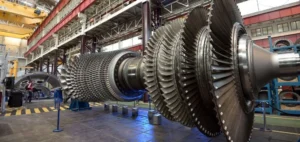
Moscow is preparing to develop gas turbines exceeding 300 MW while strengthening existing capacities and positioning itself against the most high-performing models worldwide.
Symbion Power announces a $700 M investment for a 140 MW plant on Lake Kivu, contingent on full enforcement of the cease-fire signed between the Democratic Republic of Congo and Rwanda.
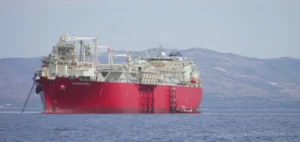
After a prolonged technical shutdown, the Greek floating terminal resumes operations at 25% capacity, with near-saturated reserved capacity and an expanded role in exports to Southeast Europe.
The Australian gas giant extends due diligence period until August 22 for the Emirati consortium's $18.7 billion offer, while national energy security concerns persist.
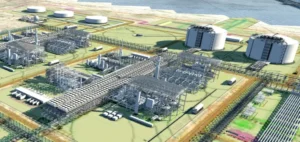
AMIGO LNG has awarded COMSA Marine the engineering and construction contract for its marine facilities in Guaymas, as part of its 7.8 MTPA liquefied natural gas export terminal.
Petrus Resources reports a 3% increase in production in the second quarter of 2025, while reducing operating costs and maintaining its annual production and investment forecasts.
Cross-border gas flows decline from 7.3 to 6.9 billion cubic feet per day between May and July, revealing major structural vulnerabilities in Mexico's energy system.
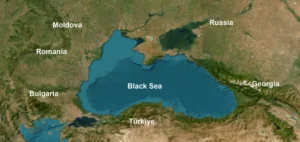
Giant discoveries are transforming the Black Sea into an alternative to Russian gas, despite colossal technical challenges related to hydrogen sulfide and Ukrainian geopolitical tensions.
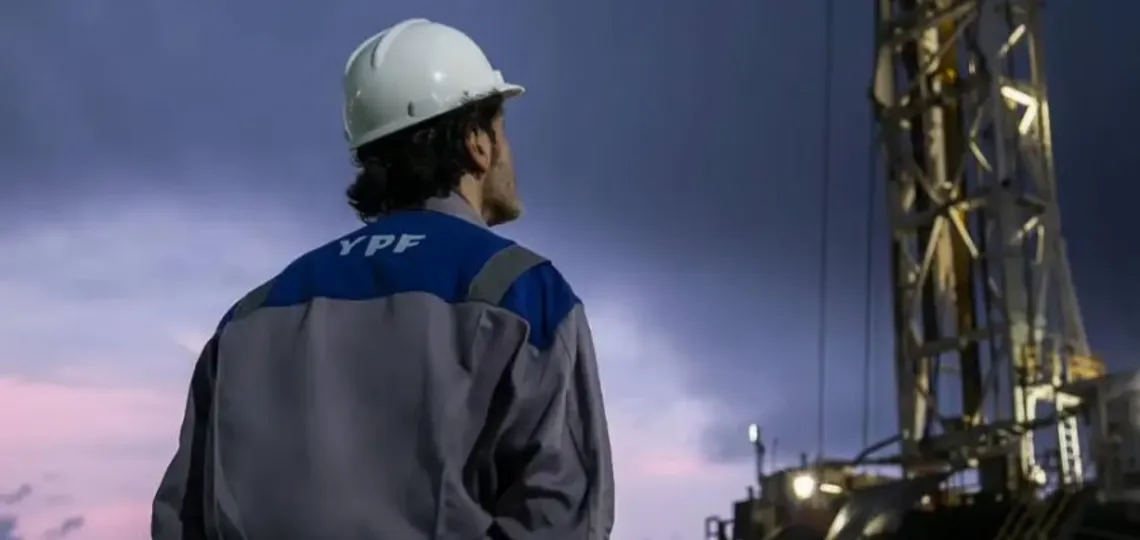
TotalEnergies completed the sale of its 45% stake in two unconventional hydrocarbon concessions to YPF in Argentina for USD 500 mn, marking a key milestone in the management of its portfolio in South America.
Recon Technology secured a $5.85mn contract to upgrade automation at a major gas field in Central Asia, confirming its expansion strategy beyond China in gas sector maintenance services.
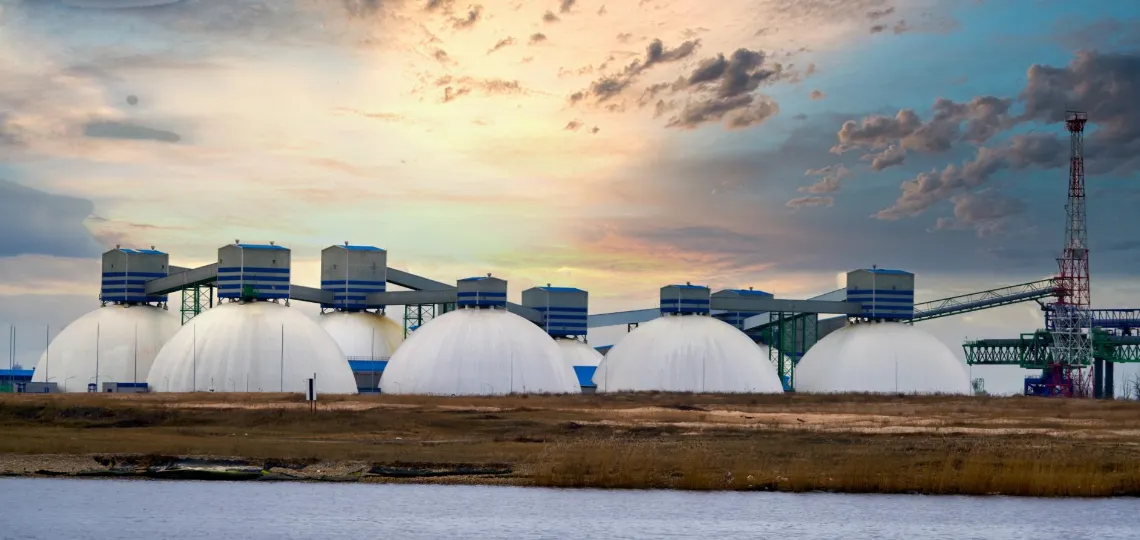
INPEX has finalised the awarding of all FEED packages for the Abadi LNG project in the Masela block, targeting 9.5 million tonnes of annual production and involving several international consortiums.