Global PV inverter shipments reach 589 GWac as Asia-Pacific dominates in 2024
Global photovoltaic inverter shipments increased by 10% in 2024, driven by the Asia-Pacific region, which accounts for nearly seven out of ten shipments, while China consolidates its influence on the sector.
| Sectors | Solar Energy, Photovoltaic |
|---|---|
| Themes | Markets & Finance, Sector Analysis |
| Companies | Wood Mackenzie, Huawei, Sungrow |
| Countries | China, India, Netherlands, United States |
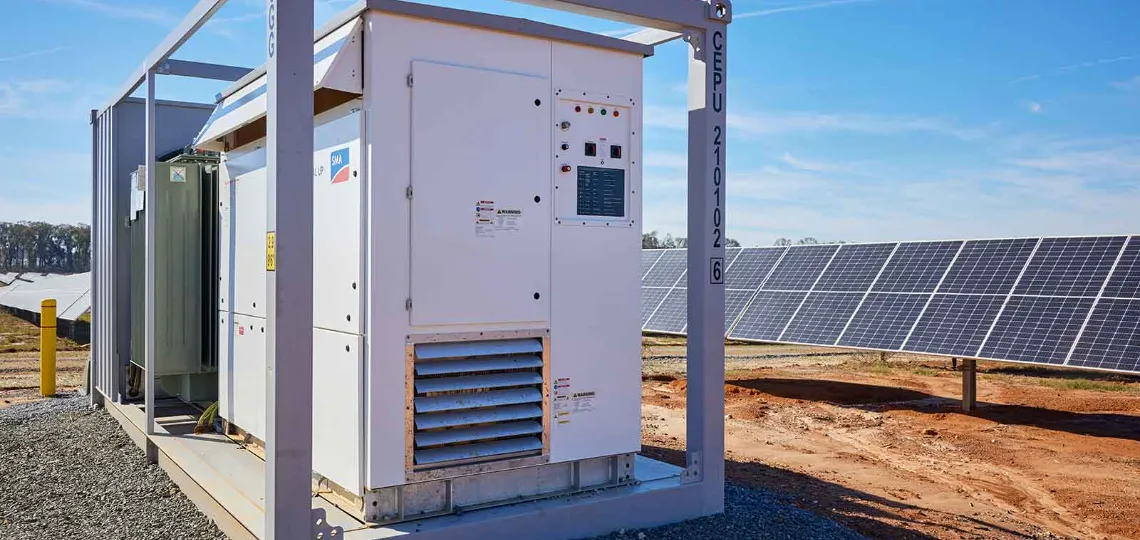
Global photovoltaic inverter shipments rose by 10% in 2024, reaching 589 gigawatts alternating current (GWac), according to the Global solar inverter market share 2025 report published by Wood Mackenzie on July 10. This growth was mainly due to demand in Asia-Pacific, where China remains the main driver, in contrast to the declines seen in Europe and the United States.
China asserts its position in the photovoltaic inverter sector
The Asia-Pacific region, including China, India and Southeast Asia, accounted for 69% of global inverter shipments in 2024. China alone absorbed more than half of global demand, with 330 GWac delivered, representing an increase of 14% compared to the previous year. Among the world’s top ten inverter manufacturers, nine are based in China, confirming the country’s dominance in this industrial segment.
According to Joseph Shangraw, Research Associate at Wood Mackenzie, “Huawei and Sungrow consolidated their position and reached their highest-ever market share in 2024.” Huawei delivered 176 GWac, maintaining its leading position through strong performances in China, Europe, Latin America, and Africa. Sungrow reached 148 GWac, ranking behind Huawei in China and Europe, but leading in the United States, India, and the Middle East.
Increased concentration among manufacturers and changing rankings
For the first time in ten years of rankings, no manufacturer beyond the top two exceeded 5% global market share. Ginlong Solis retained third place, while Growatt rose back to fourth, reclaiming the position lost in 2022. This concentration marks a structural change in the sector, characterised by the continued growth of the leading Chinese groups.
Withdrawal from the US and European markets
The dynamism observed in Asia-Pacific and the Middle East contrasts sharply with the contraction of the European and US markets in 2024. In Europe, inverter shipments for the residential and commercial sectors fell by double digits in percentage terms due to high inventory levels among distributors, particularly in the Netherlands and Germany. In the United States, the decline remained in single digits, impacted by the weakness of the residential segment and lower demand for central inverters.
Joseph Shangraw specified: “The US residential inverter segment recorded a second consecutive decline, with installations falling nationwide. High interest rates and the new NEM 3.0 regulation in California contributed to the drop in demand.”