France: Cigéo nuclear waste underground storage project makes significant progress
The French Cigéo project, designed to bury the most hazardous radioactive waste deep underground, obtains a crucial technical validation before its final authorization, expected by the end of 2027.
| Sectors | Nuclear Energy, Nuclear Fuel Cycle |
|---|---|
| Themes | Permits & Authorizations, Project Development |
| Countries | Finland, France, Sweden |
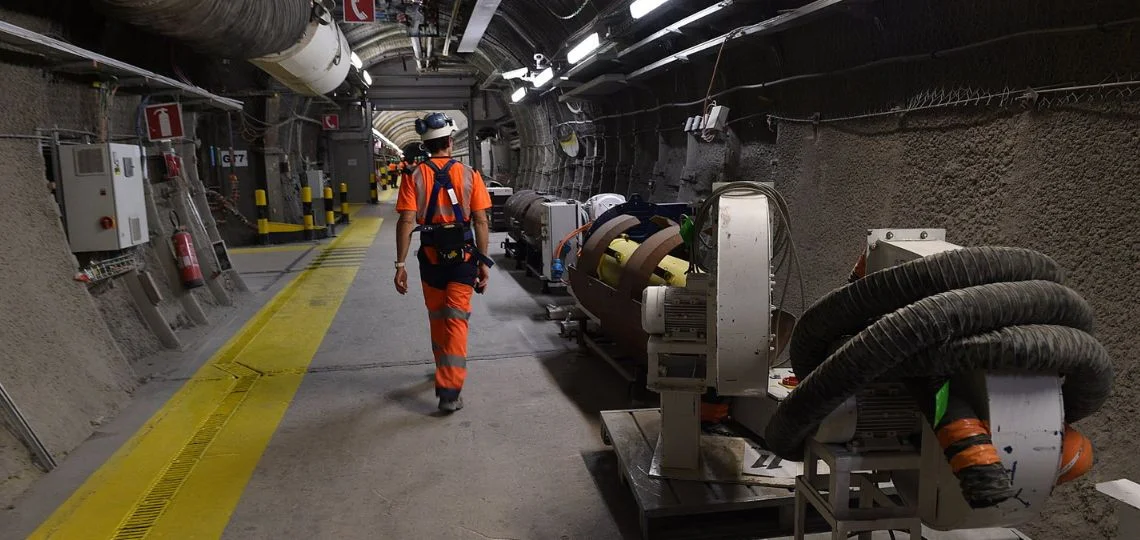
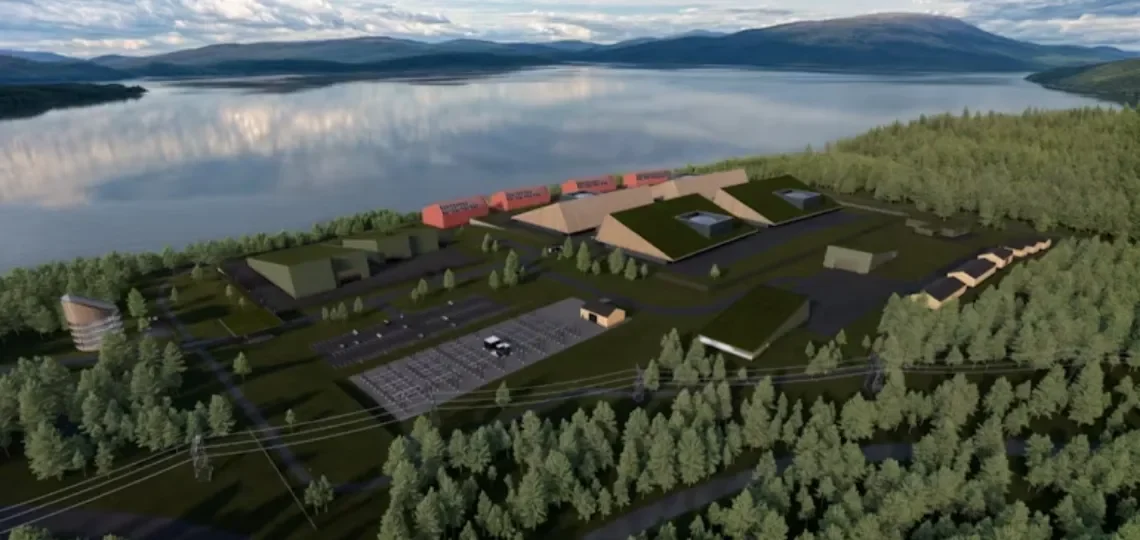
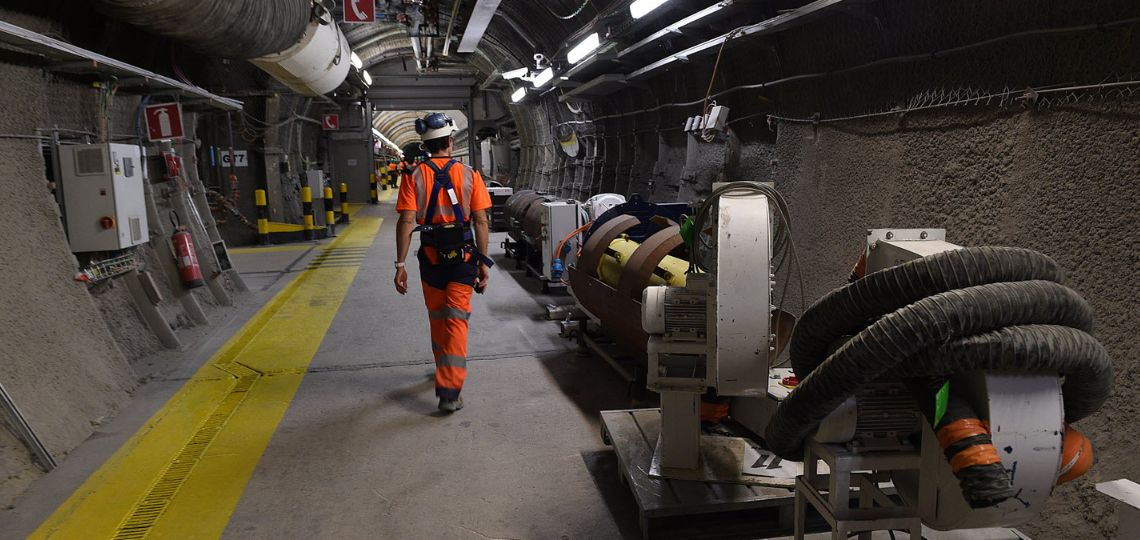
The Industrial Geological Storage Center (Centre industriel de stockage géologique, Cigéo), a project managed by the French National Radioactive Waste Management Agency (Agence nationale pour la gestion des déchets radioactifs, Andra), has reached a decisive new milestone. The Permanent Expert Group for Waste, under the authority of the Nuclear Safety and Radiation Protection Authority (Autorité de sûreté nucléaire et de radioprotection, ASNR), has issued a positive technical opinion regarding the long-term safety of the storage site. Cigéo aims to bury radioactive waste, primarily from French nuclear power plants, underground at a depth of approximately 500 meters. This extremely hazardous waste must remain confined there for several hundred thousand years.
Technical validation and outstanding challenges
According to the opinion published by the ASNR, technical analyses demonstrate that the Cigéo project provides robust long-term confinement capability for radioactive waste. This robustness particularly addresses risks associated with the potential collapse of storage tunnels or the emergence of geological faults. However, the experts have identified several points requiring further investigations, notably concerning the properties of the clay layer chosen for storage. Approximately 160 million years old, this clay plays a crucial role in ensuring long-term sealing.
Risks related to fire and explosions, particularly regarding radioactive waste conditioned in bitumen (bituminized waste), remain areas requiring further clarification. Additionally, experts have requested more precise evidence regarding the effectiveness of seals that will permanently close tunnels and underground galleries after filling. These technical aspects must be clarified to ensure full compliance of the project before final authorization can be granted.
Andra’s commitments and upcoming regulatory steps
In response to these technical recommendations, Andra has formally committed to rapidly conducting the additional required studies. The next major regulatory step will be the public inquiry, scheduled for late 2026, which will allow various stakeholders—including nuclear waste producers and specialized NGOs—to voice their opinions. Following this public consultation, ASNR will issue its final summary opinion in mid-November 2025.
Subject to complete adherence to the experts’ requirements and validation from the public inquiry, a government decree could formally authorize the creation of the Cigéo site as early as the end of 2027 or early 2028. Construction could then begin promptly to meet the objective of operational readiness for receiving the first nuclear waste by 2050. Meanwhile, ongoing technical investigations remain critical to the project’s progress.