
ExxonMobil has confirmed the permanent closure of its oldest ethylene steam cracker located on Jurong Island in Singapore. The unit, operational since the early 2000s, had an annual capacity close to 900,000 tonnes. The group is thus reallocating investments to more competitive assets, particularly its new petrochemical complex in Huizhou, China, featuring a flexible 1.6 million tonnes per year cracker.
Reduction in naphtha demand in Singapore
The shutdown is expected to reduce local naphtha consumption by an estimated 1.4 to 1.6 million tonnes annually, directly impacting imported flows in the Jurong petrochemical hub. ExxonMobil is retaining its second steam cracker commissioned in 2013, which is more integrated with downstream units. The adjacent refinery, recently upgraded to a capacity of 592,000 barrels per day, also remains operational, confirming a strategic repositioning rather than a full withdrawal from the site.
Overcapacity context and economic arbitrage
The closure comes during a downcycle for the Asian olefins market, marked by growing overcapacity, particularly in China. Local ethylene and propylene production far exceeds demand, compressing margins for historic producers. According to several analysts, up to 8 million tonnes of capacity are at risk in South and Southeast Asia, primarily targeting older naphtha-based units.
Investment redirected towards China
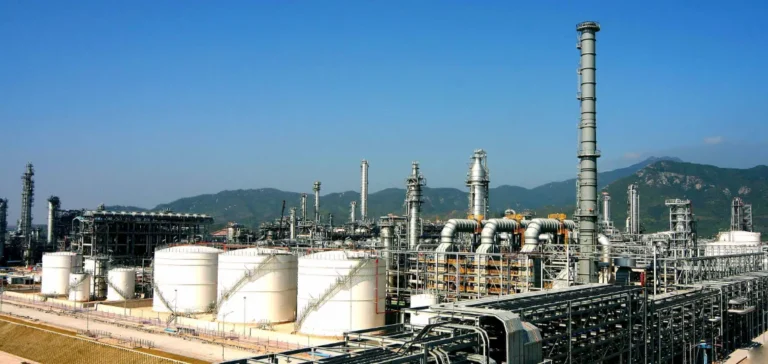
With its Huizhou complex, ExxonMobil strengthens its industrial presence in mainland China. The site, fully owned by the group, integrates a full value chain from steam cracking to high-performance polyolefins. This configuration allows the group to meet local demand while optimising costs compared to older assets exposed to stricter regulatory constraints.
Effects on regional supply chains
The closure of the unit is expected to have limited impact on spot prices in Southeast Asia, but will require contract reorganisation for downstream customers. These clients will have to turn to other local suppliers such as Petrochemical Corporation of Singapore (PCS) or the new Bukom/Jurong complex operated by Chandra Asri and Glencore. In parallel, the unused naphtha could be redirected to other regional hubs or diverted to gasoline blending.
Reduced exposure to carbon taxation
The closed cracker was among the most energy-intensive units on Jurong Island, making it particularly vulnerable to Singapore’s planned increase in carbon tax, currently set at 25 SGD/t and due to rise to 45 SGD/t by 2026. This shutdown therefore reduces ExxonMobil’s future exposure to regulatory carbon costs while preserving its industrial presence in the country.
Social impacts and strategic repositioning
The shutdown forms part of a broader restructuring plan for the group in Singapore, with a 10 to 15% headcount reduction announced by 2027. It also follows the divestment of ExxonMobil’s local retail fuel network, fuelling speculation about a shift towards higher-value segments. Local authorities will have to support this transition from both industrial and regulatory standpoints.
Concentration of assets in China and increased dependencies
The investment focus on the Chinese complex increases ExxonMobil’s dependence on the country’s economic and political conditions. In return, the group gains better access to consumer markets and reduces unit costs. This strategy also allows for optimised capital allocation to integrated, flexible and growth-aligned installations in the region.