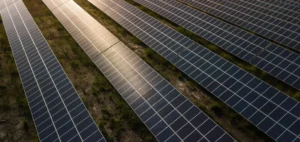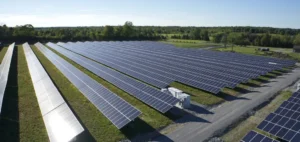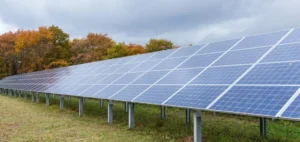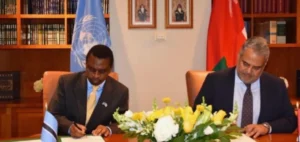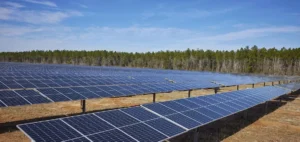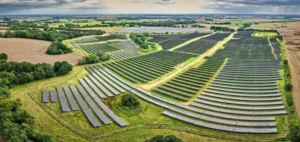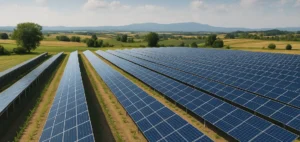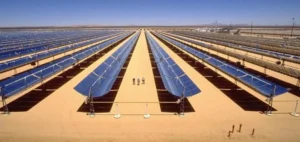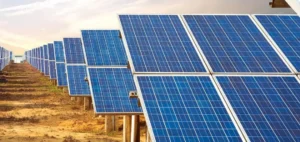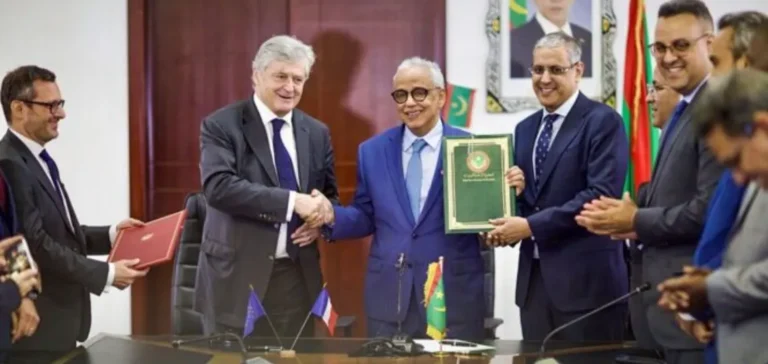

The Islamic Republic of Mauritania signed a financing agreement with the French Republic in late November to support the construction of new electrical infrastructure. The concessional loan, worth over €39mn ($42.2mn), will enable the installation of ten solar power plants equipped with storage systems. The agreement was signed in Nouakchott by Mauritania’s Minister of Economic Affairs and Promotion of Productive Sectors and the French Minister Delegate for Foreign Trade and Attractiveness. No information has been provided regarding the total production capacity or specific plant locations.
A national strategy based on renewables
The agreement forms part of the national plan targeting universal electrification by 2030. The Mauritanian government aims to connect an additional 3.4 million people, requiring a 66% increase in current production capacity. The country plans to raise the share of renewable energy in its electricity mix to 70%, up from 44.36% in 2023. Annual electricity production stood at 1.66 TWh, with an installed capacity of 615.1 MW.
To support this transition, the authorities have introduced a new electricity code. It restructures the sector around regulation, opens direct electricity sales to competition, and boosts rural electrification. Regional disparities remain significant: while electricity access reaches 91% in urban areas, it is limited to 6% in rural zones.
Favourable but underutilised natural resources
Mauritania benefits from strong solar and wind energy potential. Solar irradiation ranges between 2,000 and 2,300 kWh/m²/year, while coastal areas, especially around Nouadhibou, enjoy steady winds suitable for power generation. Despite this potential, the country ranked 29th in Africa in electricity production in 2023, according to estimates by the International Energy Agency (IEA).
Funding target by 2030
The government aims to mobilise up to $2.45bn to fund its power sector. This French financial support adds to partnerships already in place with international donors. Several multilateral institutions, development agencies and private operators are being engaged to help modernise the grid and expand renewable energy supply, particularly in rural areas.
Universal electricity access remains a structural challenge in a country where unmet energy needs still limit industrial capacity and service sector growth.