The Economic Impact of Solar Energy in Europe Amid Surplus Production
The overproduction of solar energy in Europe is causing a drop in captured prices, undermining the profitability of producers. In Germany, Spain, and France, capture prices are at record lows, with profound economic consequences.
| Sectors | Solar Energy, Photovoltaic |
|---|---|
| Themes | Markets & Finance, Sector Analysis |
| Countries | Spain, France |
The overproduction of solar energy in Europe, primarily in Germany, Spain, and France, is having significant economic effects on the profitability of solar power producers. The rapid growth in installed capacity in these countries has led to a drop in captured prices, which creates increased financial pressure on the renewable energy sector. This phenomenon, although related to cleaner energy production, raises crucial questions about the economic viability of large-scale solar investments.
Major Impact of Overproduction in Germany: Unprecedented Price Drop
In Germany, the situation is particularly alarming. The captured price for solar energy dropped by 61% in June 2025, reaching 18.43 €/MWh, its lowest level since May 2020. This significant drop is the result of a record production of 29 TWh in the second quarter of 2025, with production capacity exceeding 52 GW in June. Despite this high production, the average electricity price remained stagnant, undermining the profitability of solar power producers.
The capture rate also dropped, falling below 33%, its lowest level in several years. This situation had direct financial repercussions for producers, and the government had to inject 5.2 billion euros (approximately 6.2 billion dollars) into the EEG account (Erneuerbare-Energien-Gesetz), a system that financially supports renewable energy producers in Germany.
Moreover, the number of hours with negative prices reached a record level, with more than 300 hours in the second quarter of 2025. This represents a 50% increase from the previous year. Producers are forced to pay to discharge their surplus energy, further exacerbating financial losses in a sector already under pressure.
Spain: Capacity Growth but Falling Capture Prices
In Spain, although the situation is less dramatic than in Germany, the overproduction of solar energy is also impacting the profitability of producers. In 2025, solar production increased by 15%, reaching 15.5 TWh in the first half of the year. However, this rapid growth in installed capacity, which reached 17 GW in 2025, led to a 40% drop in captured prices, with an average price of 26 €/MWh in June 2025, down from 43 €/MWh in 2024.
The surge in negative hours also affected the Spanish market. While the number of hours with prices below zero was lower than in Germany, it still doubled compared to the previous year. This trend shows that even Spanish producers must now seek solutions to stabilize their income, notably by exploring long-term power purchase agreements (PPA), which offer guaranteed revenues despite market price volatility.
France: Growing Pressure on Producer Profitability
In France, the situation is somewhat more stable, but signs of pressure are also emerging. The average captured price for solar electricity decreased by 28% in June 2025, reaching 30 €/MWh, down from 42 €/MWh in June 2024. This decline is linked to the continued increase in solar production, which saw an additional 3.5 GW of installed capacity in 2024, bringing the total to 15 GW.
Although the capture rate remains relatively more stable in France compared to Germany or Spain, the decline in market prices continues to reduce the profitability of producers. This creates uncertainty about the financial viability of solar projects in the long term. Producers must now find ways to adapt their business models, including integrating energy storage solutions and negotiating long-term contracts.
Economic Consequences: Profitability Under Threat
The financial losses linked to the drop in captured prices are significant. In Germany, producers recorded a 30% to 40% decline in profitability compared to the previous year. In Spain, producers were forced to renegotiate their contracts to ensure a more stable income, given the price drop. French producers, for their part, are facing increasingly thin profit margins due to price volatility and growing production.
The impact on investments in the sector is also noteworthy. Investors in solar projects are beginning to question the long-term profitability of solar energy in Europe, with returns now less predictable. The need to adopt energy storage technologies is becoming essential to ensure stable profitability, especially during periods of high production.
Political Responses: Necessary Adjustments and Storage Solutions
In response to this dynamic, European governments, particularly in Germany, have already started reforming their support systems. The EEG account has been adjusted to limit direct subsidies to solar producers and to encourage the integration of energy storage. These reforms aim to better manage energy surpluses during high-production periods while supporting producers through more flexible mechanisms.
In Spain and France, similar reforms are being considered to adjust tax incentives and encourage sustainable business models for producers. Long-term contracts (PPAs) are also seen as a way to offer stable revenues, while reducing dependence on market fluctuations.
The Role of Energy Storage in the Future of European Solar
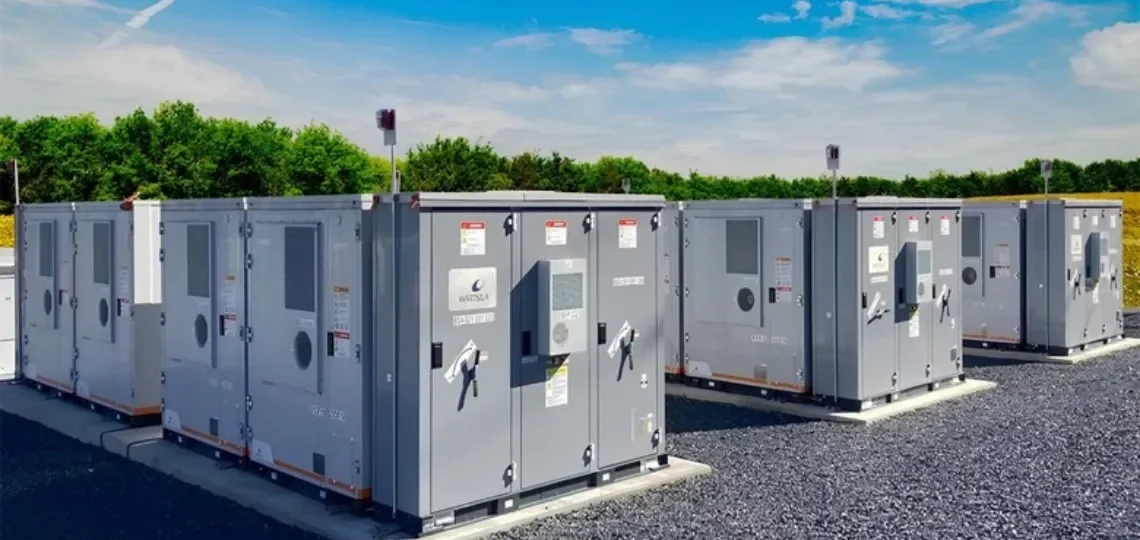
Energy storage is emerging as a key solution to maximize the profitability of solar projects. In Germany, large-scale storage projects, using lithium-ion batteries and hydropower storage systems, are under development to better manage solar energy surpluses. These technologies allow producers to store excess energy and inject it back into the grid at more profitable times.
Market flexibility, combined with better resource management and innovative storage solutions, will be crucial in supporting the European solar sector and ensuring its long-term profitability.