NextGen Nano Launches $380 Million Global Agrivoltaics Programme in West Africa
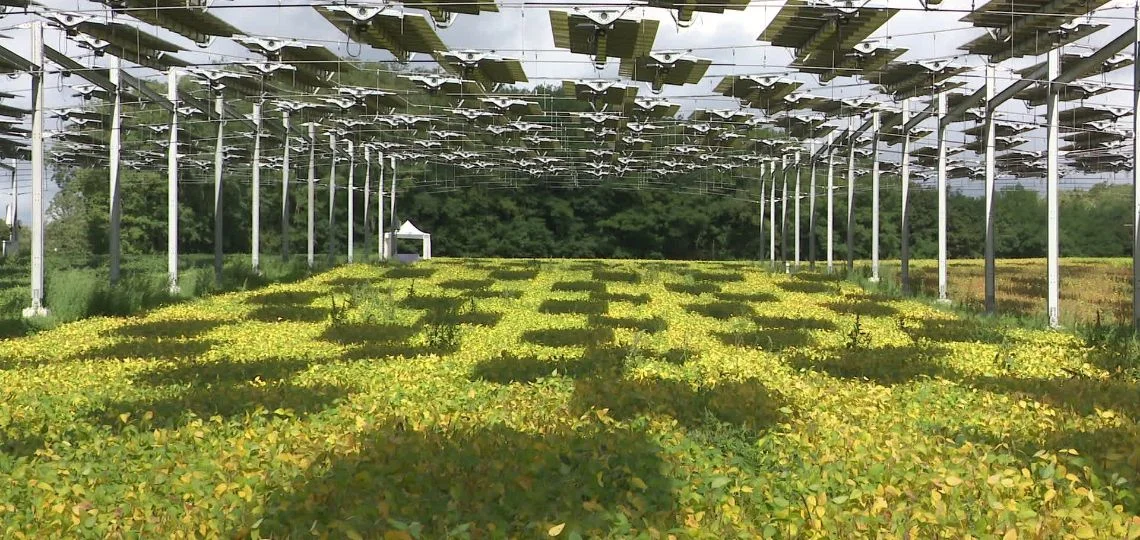
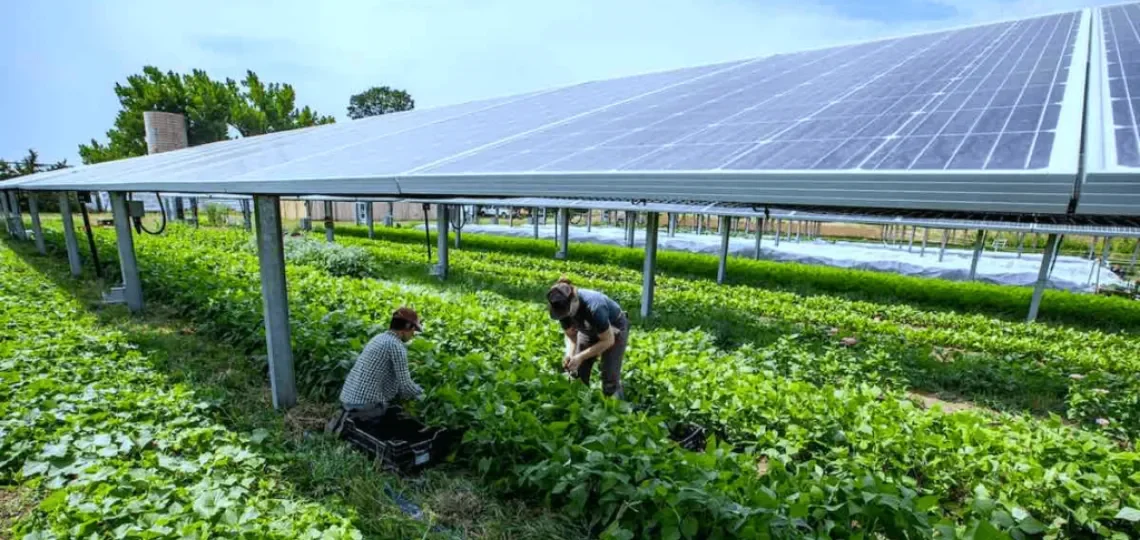
NextGen Nano Limited announces a pilot agrivoltaics programme in West Africa combining food production and renewable energy via its PolyPower™ technology. The British company targets some $380 million in project deployments over five years.
| Sectors | Solar Energy, Agrivoltaics |
|---|---|
| Themes | Project Development, Announcement |
| Companies | NextGen Nano Limited |
| Countries | United Kingdom, United States |
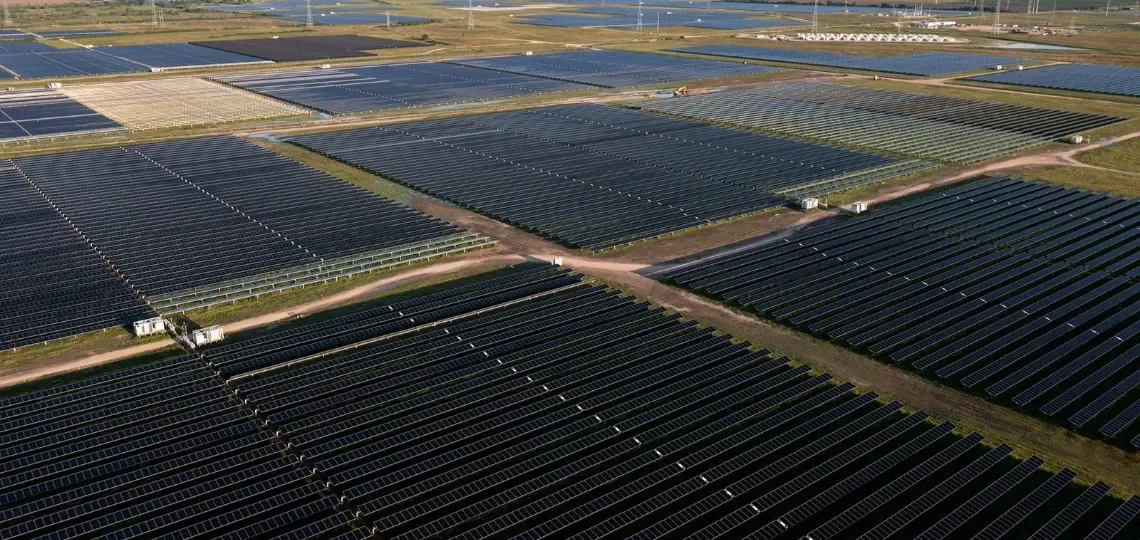
NextGen Nano Limited, a British company developing transparent organic solar technologies, announced a pilot agrivoltaics programme in West Africa based on its PolyPower™ transparent organic solar film. The company targets the deployment of some $380 million (£300 million) worth of projects over five years, according to a press release issued on April 1, 2026. The initiative reflects a broader global expansion of photovoltaics, as illustrated by the recent 430 MWac financing closed by Doral Renewables in Texas or the 240 MW contract signed by Carrefour Brasil.
Combining food production and renewable energy
The pilot project aims to demonstrate how PolyPower™ film can integrate renewable electricity generation and agricultural production within greenhouse and tunnel structures. The initiative primarily targets off-grid environments or those with constrained electricity access, according to NextGen Nano. Target crops include high-nutritional-value vegetables such as amaranth, moringa, cowpea leaves, spider plant and kale.
Beyond food production, the programme would evaluate applications in medical cold-chain infrastructure, including the storage of vaccines, medicines and other temperature-sensitive supplies in community health facilities. NextGen Nano indicates the project could also support local employment and skills development in underserved regions.
A structurally significant health and nutrition context
The World Health Organization (WHO) identifies vitamin A deficiency as the world's leading preventable cause of childhood blindness and a contributor to increased child mortality from common infections, according to data cited in the press release. Iron deficiency is the most common nutritional cause of anaemia and can impair children's physical and cognitive development. NextGen Nano positions its initiative as a potential lever to improve dietary diversity in the targeted regions.
The World Bank projects that Africa's food and agribusiness market could reach $1 trillion by 2030, based on figures cited in the press release. Nearly 600 million people in Sub-Saharan Africa still lack access to electricity, a structural context the company presents as underpinning demand for integrated infrastructure solutions.
A replicable model backed by institutional partners
If the pilot succeeds, NextGen Nano intends to scale the model globally, working with governments, development banks, major agricultural groups and private investors. The company is developing the initiative with regional partners and a leading European applied solar energy research institution, whose identity has not been disclosed. "This initiative demonstrates how cutting-edge European and US technologies can directly contribute to raising living standards in underserved regions," said Dr Sagar Jain, Head of Strategic Partnerships at NextGen Nano.