Senegal: Woodside Energy begins development of Sangomar oil field
Senegal joins the ranks of hydrocarbon producers, reaching a historic milestone with the start of oil extraction from the Sangomar offshore field.
| Sectors | Solar Energy, Gas, Oil, Natural Gas, Photovoltaic |
|---|---|
| Themes | Project Development, Announcement |
| Companies | Woodside Energy, Petrosen, BP, Kosmos Energy |
| Countries | Australia, United Kingdom, Mauritania, Senegal |
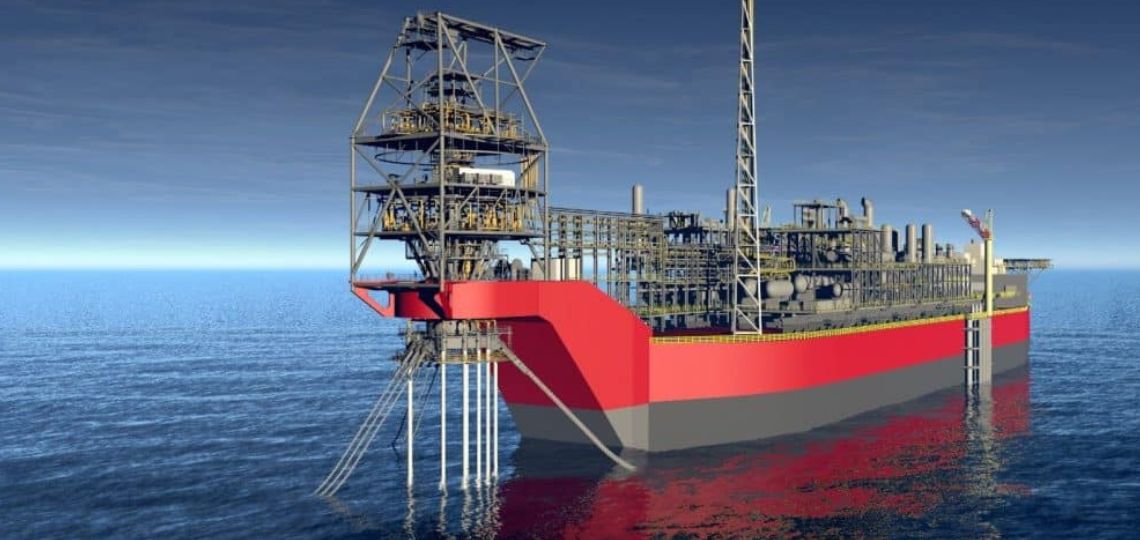
Senegal is now a hydrocarbon-producing country, with Australian company Woodside Energy announcing on Tuesday that it had begun extracting oil from the Sangomar field off the Senegalese coast. This deep-water field, located around 100 km south of Dakar, contains oil and gas. It is the country’s first offshore oil project, propelling Senegal into the select circle of oil-producing nations after years of effort and investment in the exploration and development of its natural resources.
An investment of $5 billion and production of 100,000 barrels per day
Development of the Sangomar field, launched in 2020, has required investment of almost $5 billion by Woodside Energy, which operates the field in partnership with Société des Pétroles du Sénégal (Petrosen). This massive investment testifies to the strategic importance of the project for the country and for the operator. The project aims to produce 100,000 barrels per day, bringing substantial revenues to Senegal and supplying oil to world markets.
A new economic and industrial era for Senegal
This first oil extraction from the Sangomar field marks the start of a new economic and industrial era for Senegal, as Petrosen Exploration et Production’s Managing Director, Thierno Ly, points out. According to Petrosen, expected revenues from oil and gas are estimated at over €1 billion a year on average over a thirty-year period, opening up considerable development prospects for the country. These financial resources will be used to invest in infrastructure, public services and economic development projects, helping to reduce poverty and stimulate growth in the country.
Political and environmental issues
However, the discovery also raises concerns about the oil “curse”, with the risk of hydrocarbon wealth fuelling corruption without benefiting the population. The new president, Bassirou Diomaye Faye, elected in April, has also announced an audit of the mining, gas and oil sectors, as well as a desire to renegotiate certain contracts deemed unfavorable to Senegal. This approach aims to ensure that oil revenues are managed transparently and equitably, for the benefit of the Senegalese people. In addition, the exploitation of oil and gas resources raises environmental issues, with Senegal staking a strong claim to this production in the face of international efforts to reduce dependence on fossil fuels. The country is seeking to strike a balance between economic development and environmental preservation, by implementing measures to limit the impact of the oil industry on climate change and biodiversity.
Future prospects and energy diversification
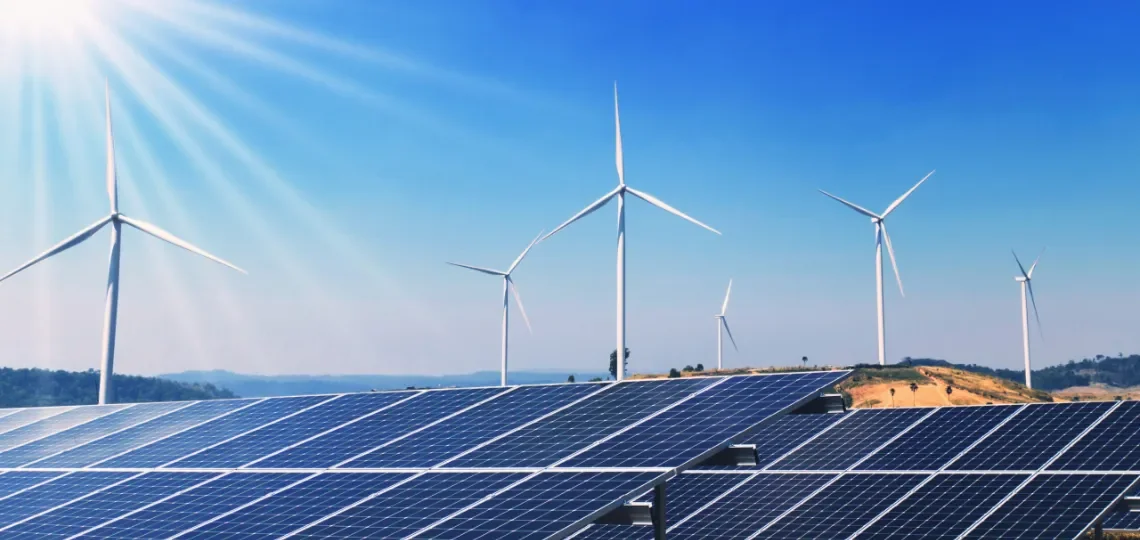
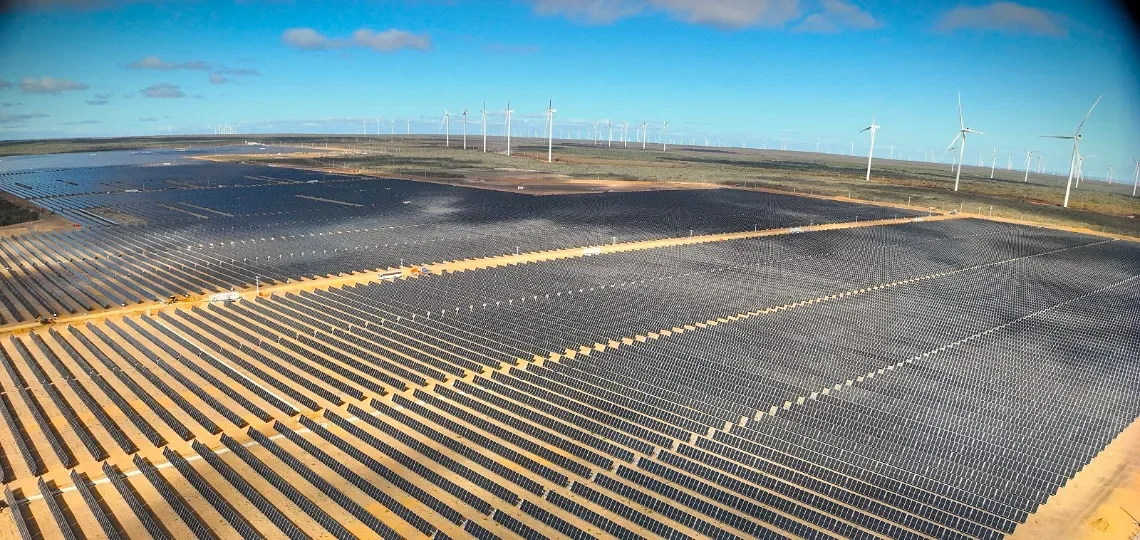
In addition to the Sangomar field, other oil and gas projects are under development in Senegal, notably the Grand Tortue/Ahmeyim (GTA) project on the border with Mauritania. Operated by Britain’s BP, the project is expected to produce around 2.5 million tonnes of liquefied natural gas a year, diversifying the country’s energy sources. Despite this new oil era, Senegal remains committed to the energy transition and diversification of its energy mix. The country is exploring the possibilities offered by renewable energies, such as solar and wind power, to gradually reduce its dependence on hydrocarbons and help combat climate change.
Despite the challenges ahead, the start of extraction from the Sangomar field represents a crucial milestone for the Senegalese economy, opening up new prospects for growth and development for the country while underlining the need for responsible, sustainable management of natural resources.