Neoen and Engie Await Government Approval to Relaunch Giant Solar Plant

The 800 MW Horizeo photovoltaic project spanning 680 hectares in Gironde awaits governmental authorization linked to France’s Zero Net Artificialization (ZAN) objective to advance permits submitted in early 2024.
Share:

Comprehensive energy news coverage, updated nonstop

Annual subscription

8.25$/month*

*billed annually at 99$/year for the first year then 149,00$/year ​

Unlimited access • Archives included • Professional invoice

OTHER ACCESS OPTIONS

Monthly subscription

Unlimited access • Archives included

5.2$/month*
then 14.90$ per month thereafter

FREE ACCOUNT

3 articles offered per month

FREE

*Prices are excluding VAT, which may vary depending on your location or professional status

Since 2021: 35,000 articles • 150+ analyses per week

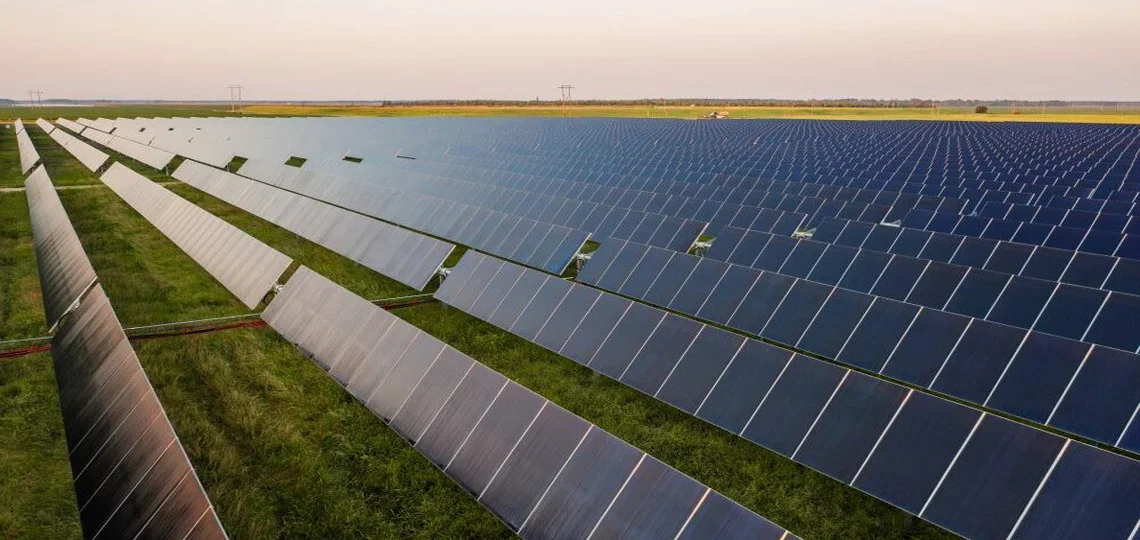
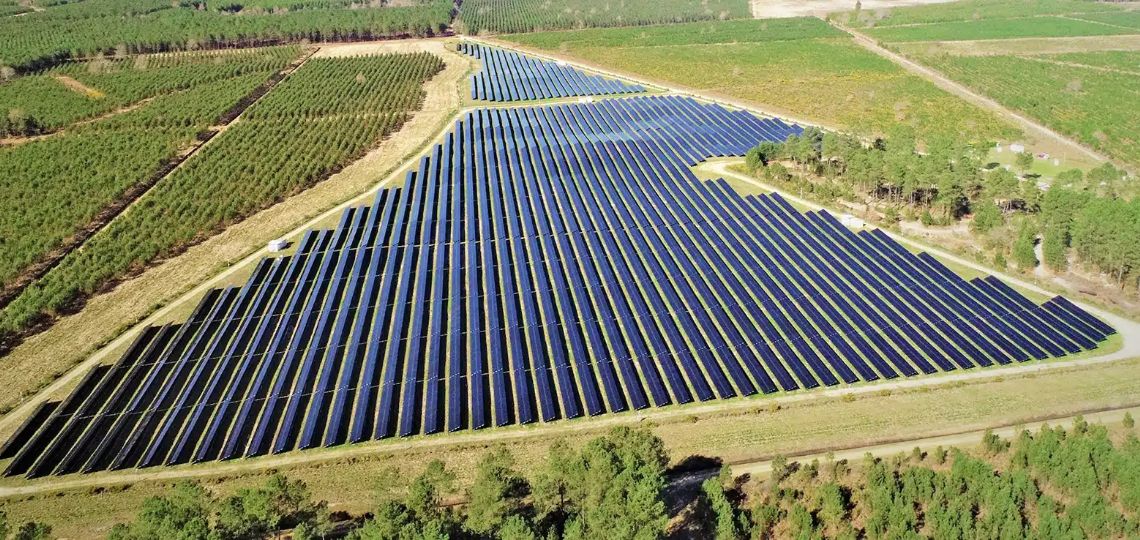
French energy groups Neoen and Engie filed permit applications in late February 2024 to build the Horizeo solar power plant, a project planned to generate 800 megawatts (MW) over approximately 680 hectares of forestland in the Gironde department. Costing an estimated €600 million, Horizeo is primarily financed by Engie, which holds a 60% share—90% funded directly by Engie, and 10% contributed by Banque des Territoires—while Neoen holds the remaining 40%. The project’s economic model is based chiefly on Power Purchase Agreements (PPAs), without public subsidies. The initial schedule anticipates commissioning by 2028, pending the resolution of current administrative obstacles.

Regulatory Constraints Linked to ZAN

The Horizeo project, conceived prior to the enforcement of new regulations restricting solar farms to a maximum surface area of 25 hectares in forested areas, faces challenges posed by France’s Zero Net Artificialization (ZAN) national policy, effective since August 2021. This policy aims to limit the impact of new developments on natural land, currently slowing the final approval of the project. To proceed, project developers now await clarification or explicit exemption from national authorities.

Public Debate and Project Revision

Between September 2021 and January 2022, an extensive public consultation organized by the French National Commission for Public Debate (CNDP) led to adjustments in the original project scope. Initially planned to span up to 1,000 hectares with a capacity of one gigawatt (GW), Horizeo was scaled down to its current size of 680 hectares and 800 MW. These adjustments also led to the abandonment of complementary components initially planned, such as a data center, an electrolyzer for green hydrogen production, and electrical storage facilities.

Agricultural Development and Fire Risk Management

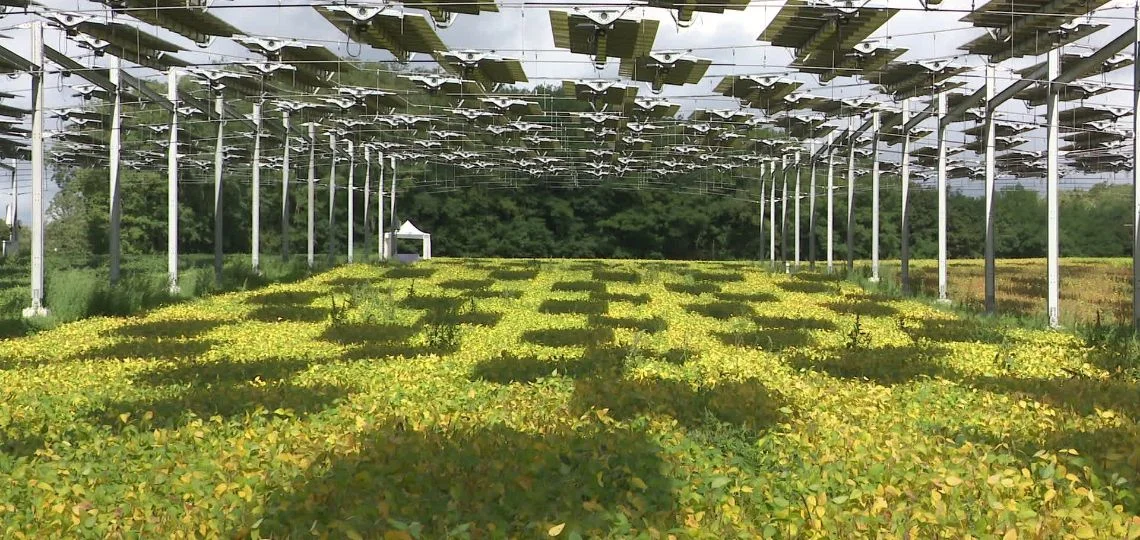
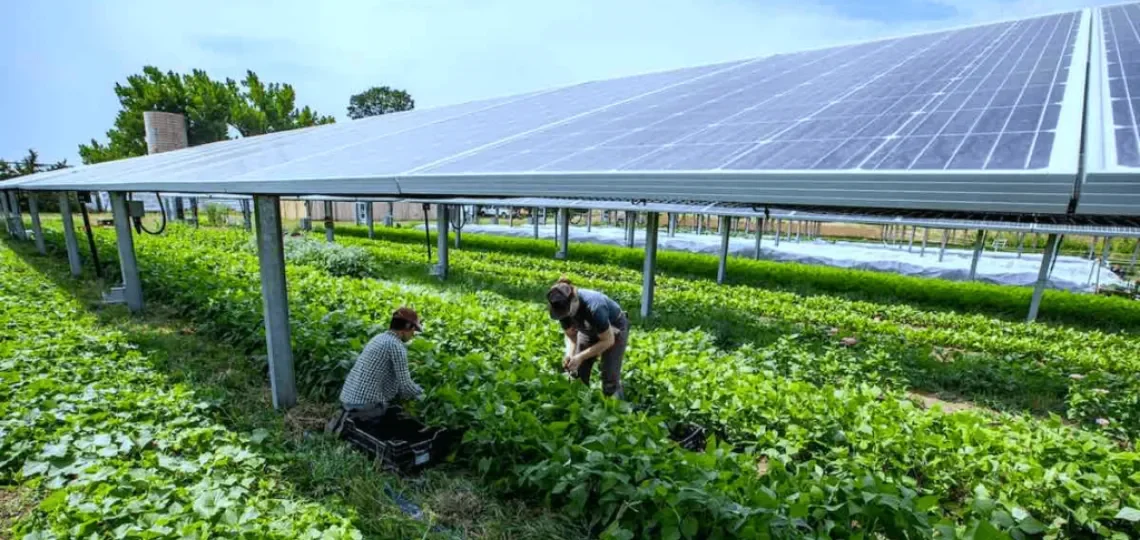
The project includes an agrivoltaic component over eight hectares, enabling coexistence between agricultural production and solar panels. Additionally, a reforestation plan is scheduled for abandoned agricultural plots to offset forest loss. In response to local concerns, the project developers have conducted specific studies on fire prevention, incorporating safety measures like cleared buffer zones to mitigate fire risks.

Local Opposition and Environmental Concerns

Despite these measures, the Horizeo project faces strong local opposition, particularly from agricultural and forestry unions, hunting groups, and environmental associations. These stakeholders primarily cite heightened risks of fire and flooding, as well as potential appropriation of forest land. The municipality of Saucats, located at the center of the project area, has also expressed uncertainty about the precise ecological impacts of deforestation.

The finalization of the Horizeo project thus remains contingent upon a governmental decision regarding the ZAN. This situation may prompt economic actors to carefully consider the implications of land-use regulation on major energy projects in France.
The Kuwaiti government has invited six international consortia to submit bids for a new 500-megawatt solar project under phase III of the Al Shagaya complex.
Exowatt strengthens its capital to industrialise its P3 solar solution and meet the strong demand from AI-powered data centres across the United States.
A new law passed by the Illinois Legislature strengthens counties' power over siting commercial solar projects in unincorporated areas, amid a legal dispute between Grundy County and the City of Morris.
US-based T1 Energy strengthens its industrial footprint with two successive capital injections and prepares for the launch of its G2_Austin facility, while doubling production at its G1_Dallas site in the fourth quarter.
Velto Renewables becomes the sole owner of Europe's largest floating solar power plant after finalising the transaction with Q ENERGY, strengthening its presence in France.
Voltalia has launched electricity production at Sarimay Solar, a 126-megawatt solar plant in Uzbekistan, marking a key milestone in the deployment of new photovoltaic capacity in the country.
rPlus Energies has completed the acquisition of two solar and storage projects totalling 900 MW in Ada County, reinforcing its position as a key energy player in the western United States.
Sattel International receives a licence to develop a six MWp solar power plant with storage in Luozi, a project aimed at strengthening electricity supply and supporting economic activities in this area of Kongo-Central.
South African developer Sturdee Energy has secured funding to begin construction of the 91.2 MW Bela Bela solar plant in Limpopo Province, set to supply power to a major industrial site.
ReNew Energy Global will commit INR820bn ($9.33bn) to solar, hydro and green ammonia projects in Andhra Pradesh, strengthening its footprint in southern India’s energy infrastructure.
US-based mPower has opened a high-throughput factory for solar modules targeting space missions, with an initial capacity of 1 MW per year, set to double by mid-2026.
Turbo Energy launches a pilot project in Spain to tokenize hybrid solar installations financing, leveraging Stellar and Taurus blockchain technology to access a $145.18bn EaaS market by 2030.
Mizuho Lease initiates a takeover bid for Japan Infrastructure Fund, targeting its delisting and a strengthened partnership with Marubeni in solar asset management.
A joint research team in China has developed an innovative molecular strategy to enhance thermal stability and efficiency of perovskite solar cells, paving the way for large-scale production.
DMEGC Solar received TÜV SÜD certification for its Infinity G12RT-B66 photovoltaic module series, reaching a peak output of 655 W, with mass production scheduled for the first quarter of 2026.
TotalEnergies has signed a 15-year renewable power agreement with Google to supply its data centres in Ohio through a solar plant connected to the PJM grid.
Statkraft strengthens its presence in Brazil with three new solar and hybrid plants representing an investment of NOK2.3bn ($211mn), consolidating its strategy in a fast-growing energy market.
The delay rate for large-scale photovoltaic projects in the United States fell to 20% in Q3 2025, down from 25% a year earlier, despite record growth in installed capacity in 2024.
Evolution III fund of Inspired Evolution invests alongside FMO and Swedfund to accelerate regional growth of Sedgeley Solar Group, active in solar installations for commercial and industrial sectors.
British company Naked Energy is accelerating its international expansion with a new office in Madrid to deploy its solar thermal technology in the industrially promising Iberian market.

All the latest energy news, all the time

Annual subscription

8.25$/month*

*billed annually at 99$/year for the first year then 149,00$/year ​

Unlimited access - Archives included - Pro invoice

Monthly subscription

Unlimited access • Archives included

5.2$/month*
then 14.90$ per month thereafter

*Prices shown are exclusive of VAT, which may vary according to your location or professional status.

Since 2021: 30,000 articles - +150 analyses/week.