Global wind sector targets 2 TW installed capacity by 2030 despite uncertainties
Driven by China’s acceleration, global wind capacity is expected to reach 170 GW in 2025, paving the way for a doubling of installed capacity by 2032.
| Sectors | Wind Energy, Onshore, Offshore |
|---|---|
| Themes | Markets & Finance, Sector Analysis |
| Companies | Wood Mackenzie |
| Countries | China, Germany, India, United States |
The global wind market is on track to reach a historic milestone with 170 GW of new capacity expected in 2025, marking an unprecedented record for the sector. This momentum is projected to add a second terawatt (TW) by 2030, only seven years after reaching the first in 2023, compared to the twenty-three years needed for the previous threshold.
China concentrates the majority of global growth
The main driver behind this expansion remains the People’s Republic of China, where onshore wind is accelerating steadily, supported by data centre demand and electrification needs. China’s market alone weighs heavily on global forecasts, representing the majority of new installations and boosting the sector’s overall performance.
According to recent projections, global wind capacity is expected to double from 2024 levels by 2032. Excluding China, the one-terawatt milestone would be reached in 2031, with global capacity doubling by 2034. Nevertheless, analysts point to strong regulatory instability across several countries, notably the United States, which is slowing the market’s momentum.
The United States enters a phase of adjustment
The adoption of the One Big Beautiful Bill Act in July 2025 is reshaping the American wind market. The planned end of tax credits in 2027 is prompting developers to accelerate projects, leading to a short-term spike in activity. However, this momentum is expected to ease, and the United States may fall behind India and Germany in ten-year capacity additions.
This environment is forcing companies to reassess project profitability based on fundamental parameters such as electricity demand growth and competition between technologies. The ongoing restructuring could permanently alter the global wind market hierarchy.
Onshore wind remains stable while offshore faces headwinds
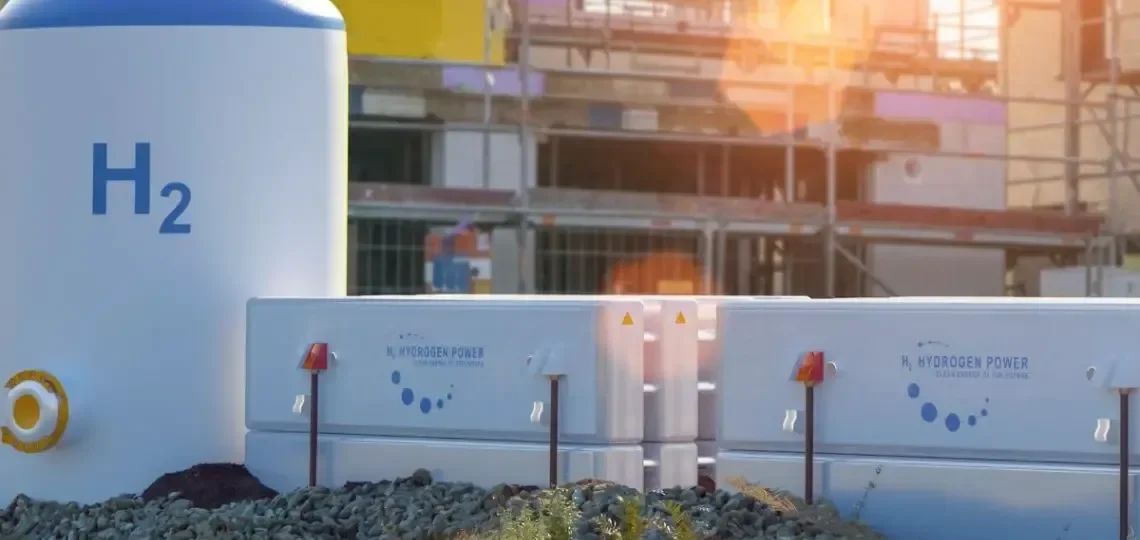
Outside the United States and China, the wind market shows signs of resilience. Onshore projects are progressing in Europe, the Asia-Pacific region and several emerging markets, supported by regular tenders and robust order books. However, the slowdown in green hydrogen-related projects is weighing on overall development prospects.
The offshore segment is facing a difficult phase. Repeated tender failures and rising costs are hindering progress. In China, maritime use conflicts are blocking certain projects already under construction. In Europe, governments are under increasing pressure to adapt contract terms and maintain the sector’s appeal.