Ember: A small portion of wind and solar capacity would meet India’s electric vehicle needs by 2032
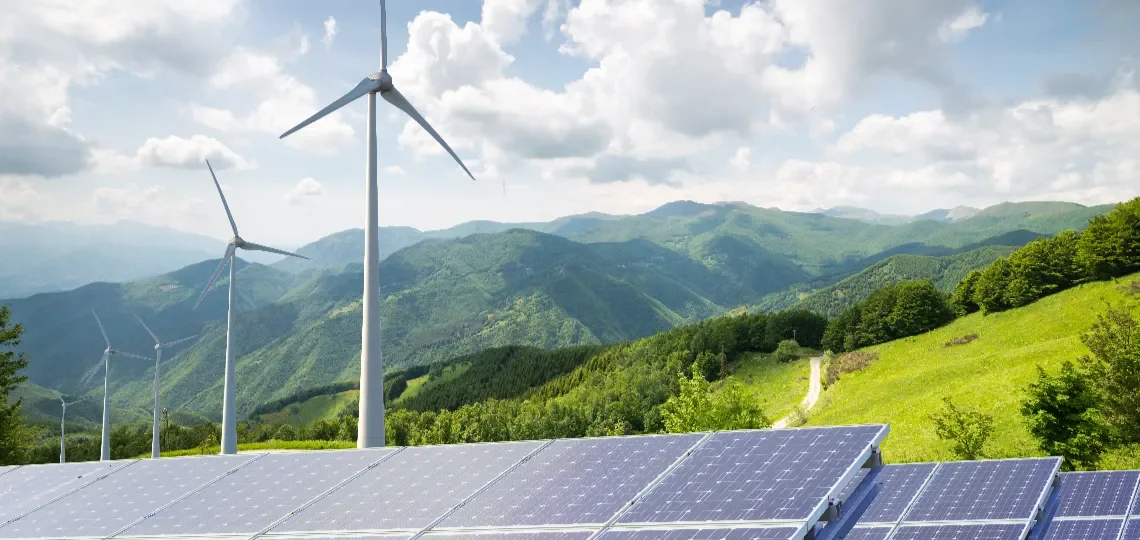
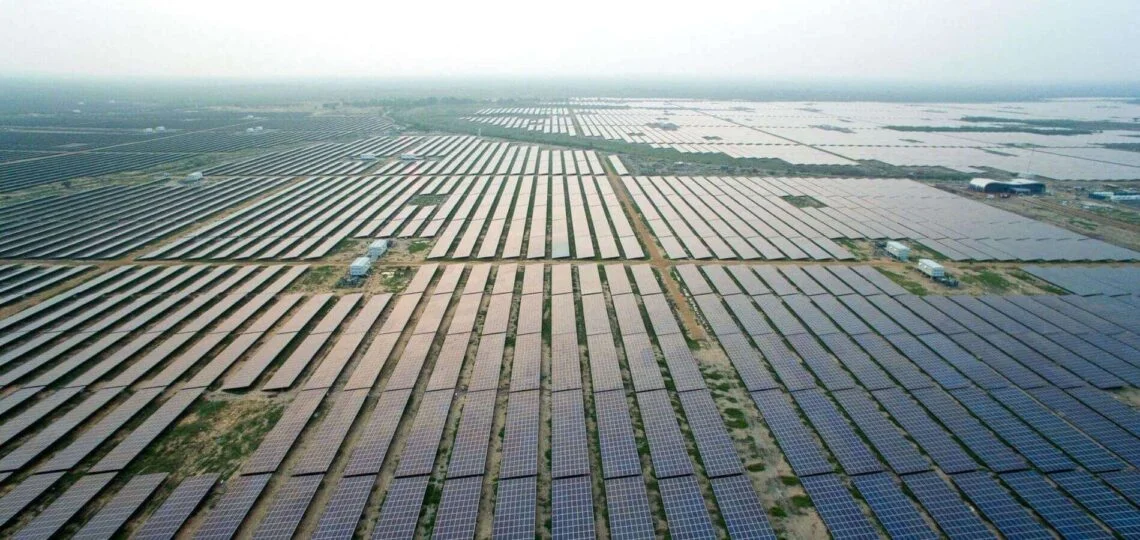
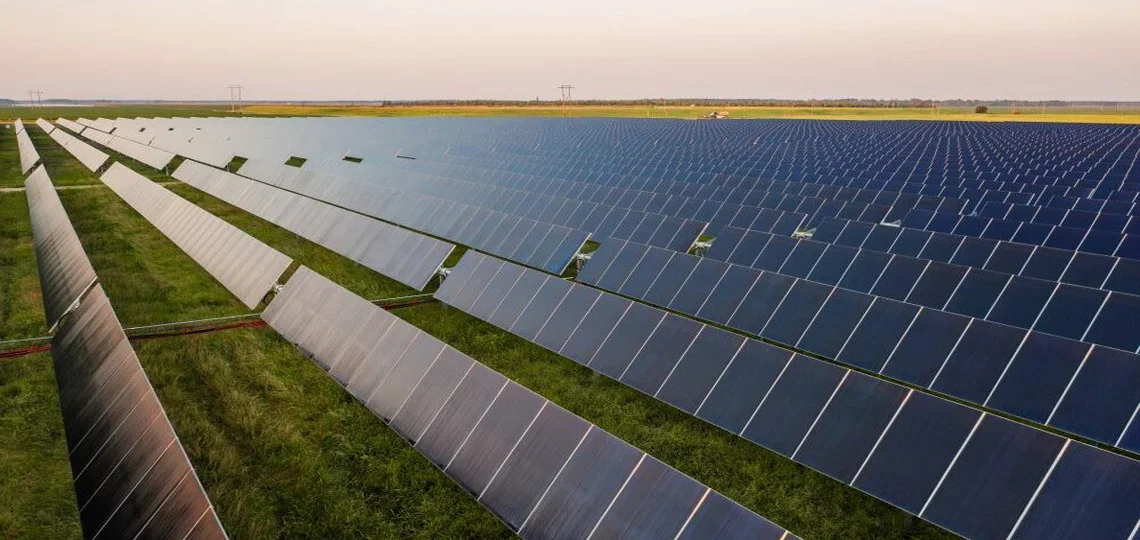
According to Ember, only 3% of India’s wind and solar targets for 2032 would be sufficient to cover the entire electric vehicle charging demand, provided appropriate measures are taken for grid management and charging infrastructure.
| Sectors | Solar Energy, Wind Energy, Onshore, Photovoltaic, Mobility |
|---|---|
| Themes | Markets & Finance, Sector Analysis |
| Companies | Ember |
A study conducted by Ember reveals that only 3% of the wind and solar capacity targets set by India under the National Electricity Plan (NEP-14) for 2032 would be enough to meet the electric vehicle (EV) charging demand in the country. This represents approximately 15 gigawatts (GW) of renewable capacity, out of a national target of 486 GW. However, to achieve this target, adjustments in energy policy and further development of charging infrastructure are necessary.
Optimizing vehicle charging to integrate more renewable energy
Currently, most EV charging occurs at home, during the evening or night, when electricity supply is primarily sourced from fossil fuels. Ember emphasizes the importance of aligning vehicle charging with the availability of renewable energy. The introduction of Time-of-Day (ToD) tariffs, combined with the expansion of public charging stations in professional and commercial areas, would enable charging during the day, when renewable energy production is higher. Ruchita Shah, energy analyst at Ember, explains: “Today, most EV charging happens in the evening, when fossil fuels dominate. Time-of-Day tariffs and public charging stations help increase the use of clean energy.”
Several Indian states, including Assam, Bihar, Gujarat, Madhya Pradesh, Maharashtra, Odisha, Rajasthan, and Tamil Nadu, have already adopted solar-hour ToD tariffs for EV charging. These initiatives are part of efforts to promote the integration of renewable energy into the electric mobility sector.
Improving data collection and grid flexibility
The study also highlights the need to improve data collection on EV charging to enable electricity distribution companies (DISCOMs) to better forecast demand and adjust tariff mechanisms accordingly. “Collecting data on EV charging will allow network operators to anticipate demand and better manage Time-of-Day tariffs. This data is essential for optimizing renewable integration and grid management,” adds Shah.
Ember further emphasizes that electric vehicles can play a crucial role in grid flexibility. By using mechanisms like “green tariffs,” it would be possible to support EV charging with renewable electricity. However, these tariffs are currently only available for public charging and do not cover home charging, limiting their adoption among private consumers.
The electric vehicle sector as a lever for energy transition
The report suggests that states with higher EV adoption could leverage this sector to stimulate demand for decarbonized electricity and enhance grid flexibility. Purchase incentives offered by the central and state governments can not only accelerate EV adoption but also facilitate the integration of renewable energy into the mobility sector. According to Ruchita Shah, “Purchase incentives provide a unique opportunity to create the necessary flexibility to integrate more renewables into the energy system.”