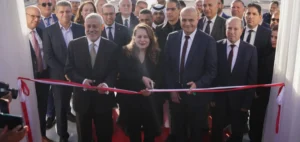
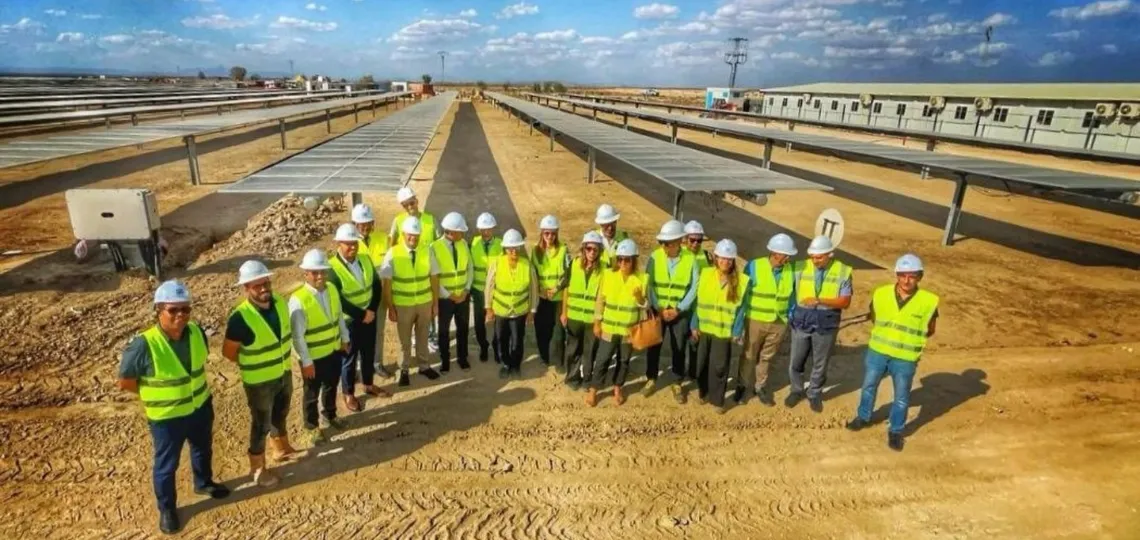
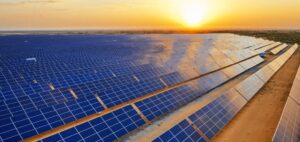
AMEA Power has completed the commercial commissioning of a 120 MWp solar project in Kairouan, marking a national first in Tunisia for a renewable energy installation of this scale.
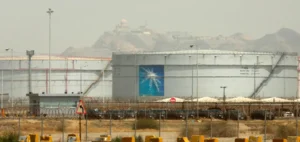
Aramco reported a 2.3% decrease in its net profit for the third quarter, amid global economic uncertainties and an oversupply of oil, although its adjusted earnings showed a slight increase.
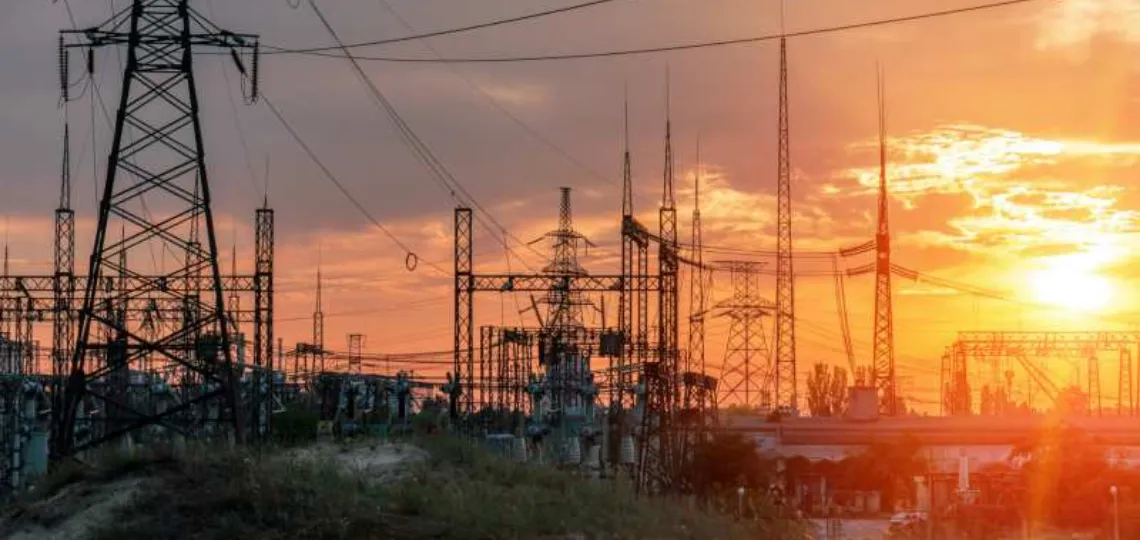
The Algerian government plans a full upgrade of the SCADA system, managed by Sonelgaz, to improve control and supervision of the national electricity grid starting in 2026.
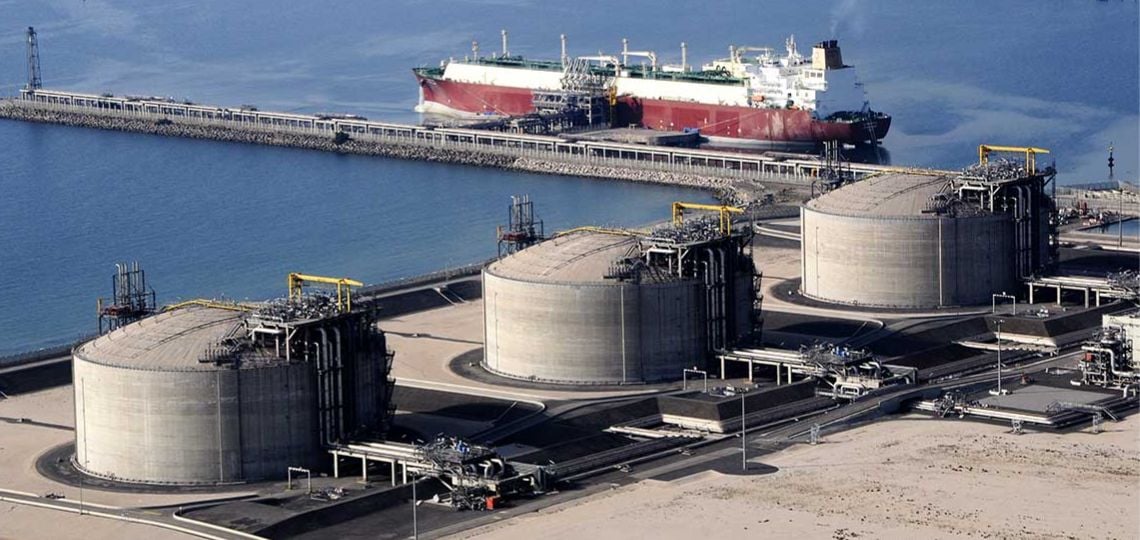
Botaş lines up a series of liquefied natural gas (LNG, liquefied natural gas) contracts that narrow the space for Russian and Iranian flows, as domestic production and import capacity strengthen its bargaining position.
—
Algeria has removed Rachid Hachichi from the leadership of Sonatrach, two years after his appointment, replacing him with Noureddine Daoudi, former head of the National Agency for the Valorisation of Hydrocarbon Resources.
Algerian company Sonatrach has resumed exploration activities in Libya's Ghadames Basin, halted since 2014, as part of a strategic revival of the country's oil sector.
The Algerian national company has restarted a key liquefaction unit in Skikda, strengthening its export capacity amid massive investment in the gas sector.
Norwegian developer Empower New Energy expands in North Africa with a strategic partnership involving ten industrial solar sites for self-consumption in Tunisia.
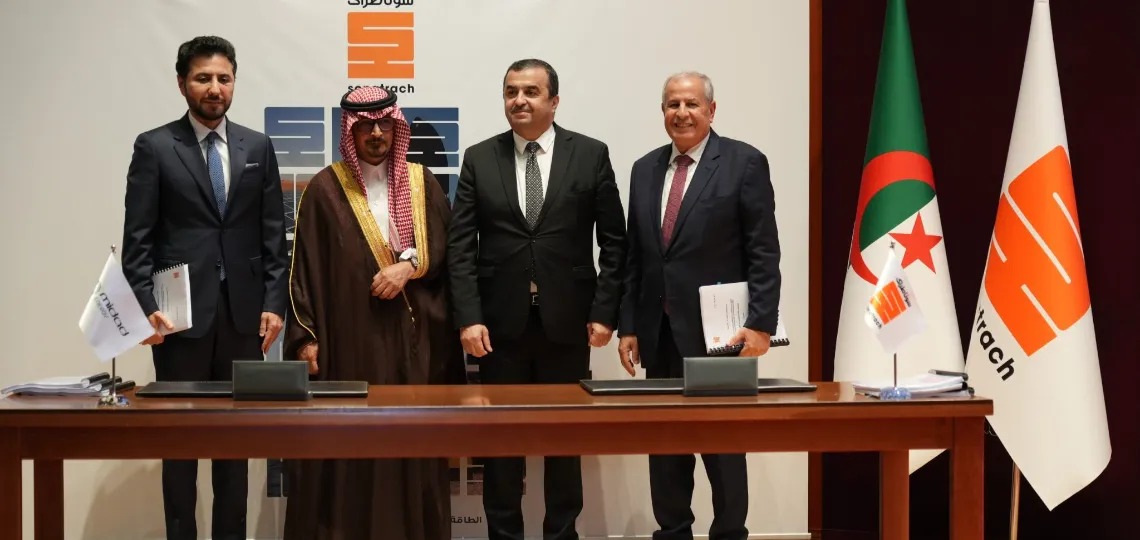
Sonatrach and Midad Energy North Africa signed a production-sharing hydrocarbon contract in the Illizi South perimeter, involving a total investment estimated at $5.4bn for exploration and exploitation of the site.
The European Bank for Reconstruction and Development is reviewing a loan for a 100 MW photovoltaic project led by Qair in Tunisia, backed by a long-term power purchase agreement with the national utility.
Alnaft has signed two study agreements with Omani firm Petrogas E&P on the Touggourt and Berkine basins, aiming to update hydrocarbon potential in key oil-producing areas.
Algeria plans to allocate $60 billion to energy projects by 2029, primarily targeting upstream oil and gas, while developing petrochemicals, renewables and unconventional resources.
A €12mn technical grant will support STEG in supervising ELMED, the first submarine power cable between Tunisia and Italy, a strategic project co-developed with Italy’s TERNA and valued at €921mn.
The 600MW submarine interconnection between Tunisia and Italy enters its construction phase, marking a logistical and financial milestone for the Euro-Mediterranean electricity market.
Solar panel imports into Africa reached 15,032 MW in one year, setting a record and marking an expansion beyond South Africa, according to the energy research organisation Ember.
Alnaft and Occidental Petroleum signed two agreements to assess the oil and gas potential of southern Algerian zones, amid rising budgetary pressure and a search for energy stability.
OPEC's August report reveals Russian production above quotas and commercial dominance in Asia, while Kazakhstan massively exceeds its reduction commitments.
Around 80 Russian technical standards for oil and gas have been internationally validated, notably by the United Arab Emirates, Algeria and Oman, according to the Institute of Oil and Gas Technological Initiatives.
The eight OPEC+ members concerned will end next month the cuts introduced in November 2023, while keeping the option to readjust their output depending on market fundamentals and quota compliance.
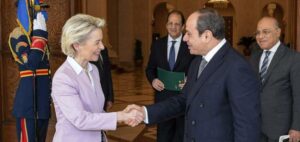
In the midst of an economic crisis, Egypt is receiving 7.4 billion euros in financial support from the EU, in the form of loans, investments and grants.
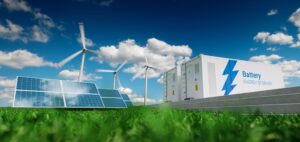
NatPower UK announces an investment plan of over 10 billion GBP to develop the UK's largest battery energy storage program, aimed at accelerating the transition to 100% renewable energy by 2035.
Seves group and Sediver fined 13.373 million euros for corruption in the DRC, Algeria, Nigeria and Libya, illustrating the disastrous consequences of corruption on companies.
Oil prices currently reflect the view that a 1973-style oil embargo is an extremely unlikely response to the crisis in Gaza. However, the leaders of OPEC's largest producers have made irrational decisions in the past.
Algeria has decided to appoint a new ambassador to Spain, putting an end to more than 19 months of diplomatic quarrel due to Madrid's U-turn on the Western Sahara issue.
Algerian President Abdelmadjid Tebboune has dismissed Sonatrach CEO Toufik Hakkar, appointing Rachid Hachichi as his successor. This decision raises questions about the stability of the state-owned company, which is crucial to the Algerian economy, and about the fight against corruption within Sonatrach.
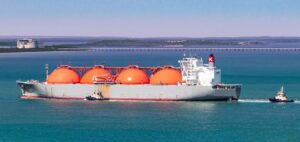
Massive imports of liquefied gas into France, mainly from the United States, have boosted business at the Fos Cavaou terminal, playing a crucial role in securing Europe's energy supply, while looking to more sustainable solutions for the future.
OPEC+ ministerial panel keeps oil production policy unchanged, despite higher prices due to the extension of the Saudi reduction. Russia joins the cuts, while Algeria hesitates.
Libya's energy market is getting a new lease of life, with three international oil companies back in business after a decade's absence. Production reached 1.2 million barrels per day, marking an economic recovery.
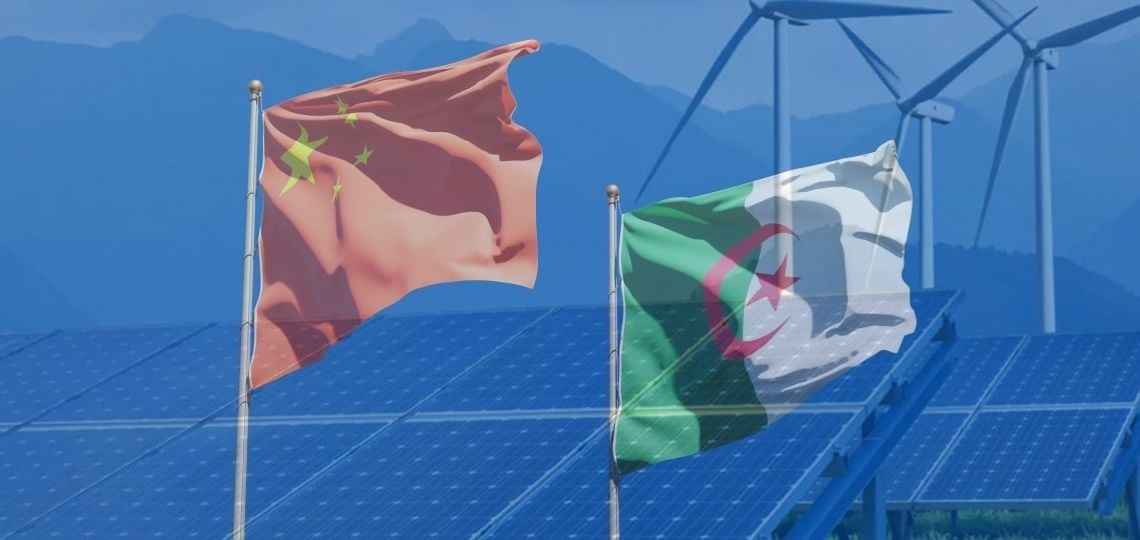
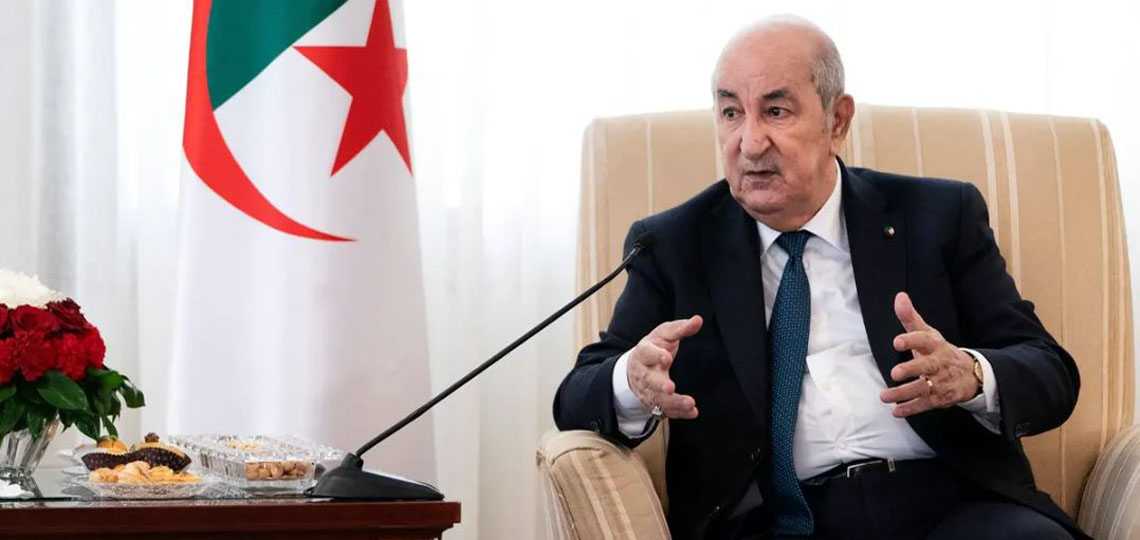
Chinese President Xi Jinping strengthens ties with Algeria during his Algerian counterpart Abdelmadjid Tebboune's visit to Beijing, supporting Algeria's aspiration to join the BRICS. China is investing in Algeria's energy sector, strengthening cooperation between the two countries in this strategic area.
Morocco consolidates its energy security by signing a strategic contract with Shell for the supply of liquefied natural gas (LNG). Towards greater Moroccan energy independence?