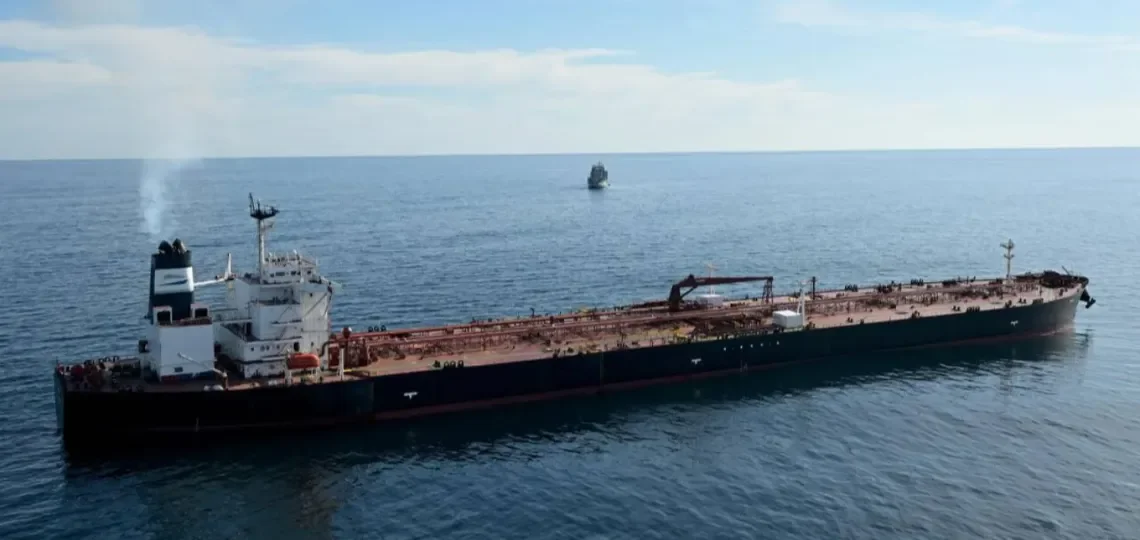
Dispute escalates between MOL and Janaf over Adriatic pipeline’s supply capacity
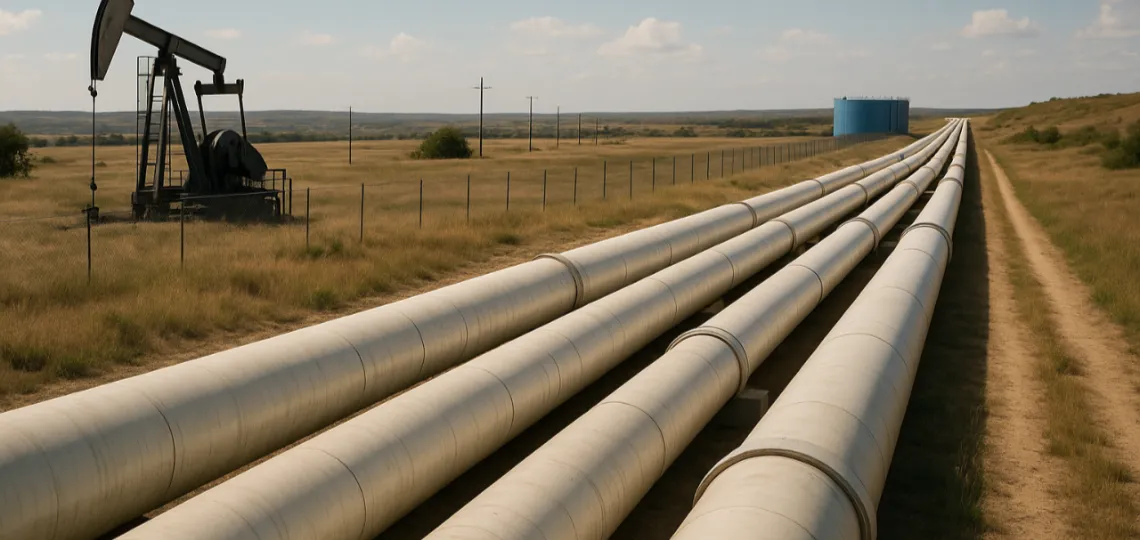
A technical dispute between Hungarian group MOL and Croatian operator Janaf raises doubts about the Adriatic pipeline’s ability to supply oil to Hungary and Slovakia.
| Sectors | Oil |
|---|---|
| Themes | Policy & Geopolitics, Diplomacy |
| Companies | MOL, OTAN |
| Countries | Croatia, Hungary, Russia, Slovakia, United States |
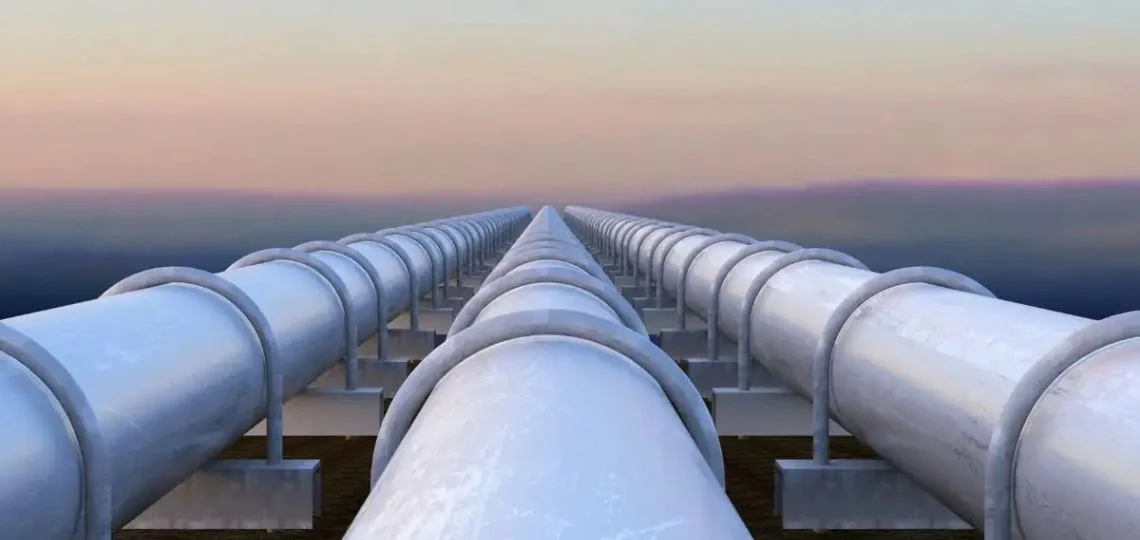
Hungarian oil group MOL stated that recent tests on the Adriatic pipeline failed to confirm its capacity to deliver enough crude oil to Hungary and Slovakia. The pipeline currently represents the main alternative to the Soviet-era Druzhba pipeline, which still supplies both European Union member states.
Contested capacity and geopolitical interests
According to MOL, the pipeline was unable to maintain sufficient flow for more than one to two hours during tests conducted last week, due to technical issues. The pipeline is operated by Jadranski Naftovod (Janaf), the Croatian state-owned company, which strongly denies these claims. Janaf said it carried out flow tests from the Sisak Terminal to the Hungarian border and affirms it can meet the annual demand of both MOL refineries located in Hungary and Slovakia.
Conflicting tests and industrial implications
The two companies carried out three tests in September. According to Janaf, flows were reduced at the direct request of MOL during the third trial, conducted between September 22 and 24. The operator stated there were no technical barriers on its side. The combined capacity of MOL’s refineries in both countries totals 14.2mn tonnes annually, with a significant portion currently supplied via Druzhba.
Economic context and international pressure
MOL earns substantial profits from processing the lower-cost Russian Ural crude, while the Hungarian government levies a special tax on these profits. Despite the European Union’s efforts to reduce reliance on Russian energy, Hungary and Slovakia maintain a divergent stance driven by domestic economic priorities.
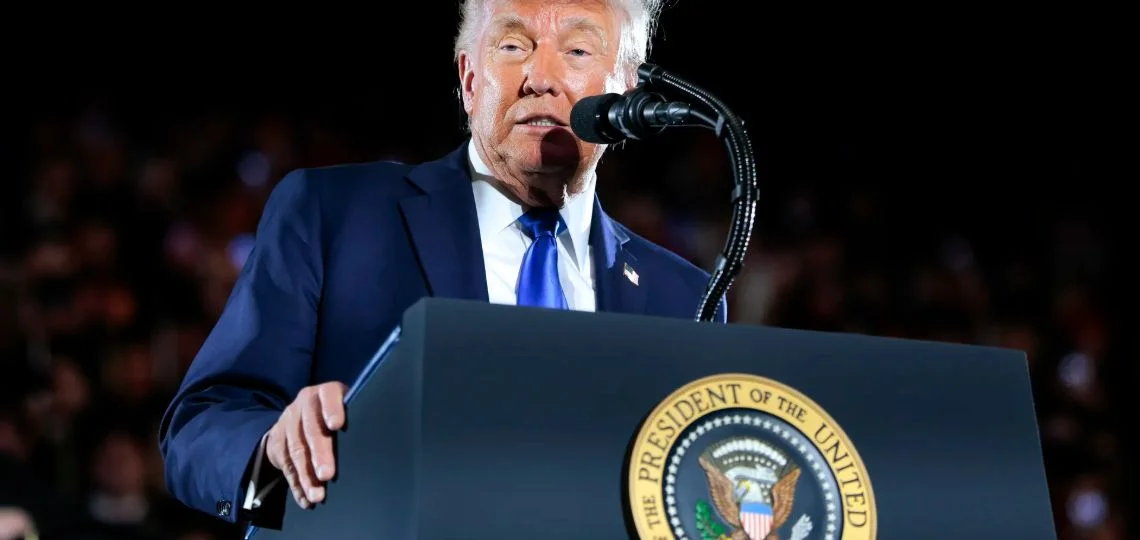
The dispute comes amid increasing diplomatic pressure. The President of the United States announced plans to call the Hungarian Prime Minister and urge an end to Russian oil purchases. This move is part of a broader campaign aimed at pushing North Atlantic Treaty Organization (NATO) allies to cut energy ties with Moscow.