Trump grants Orban oil exemption in exchange for US gas deal
The United States grants Hungary a one-year waiver on sanctions targeting Russian oil, in return for a commitment to purchase US liquefied natural gas worth $600mn.
| Sectors | Gas, LNG |
|---|---|
| Themes | Policy & Geopolitics, Diplomacy |
| Companies | Rosneft, Lukoil |
| Countries | Hungary, Russia, United States |
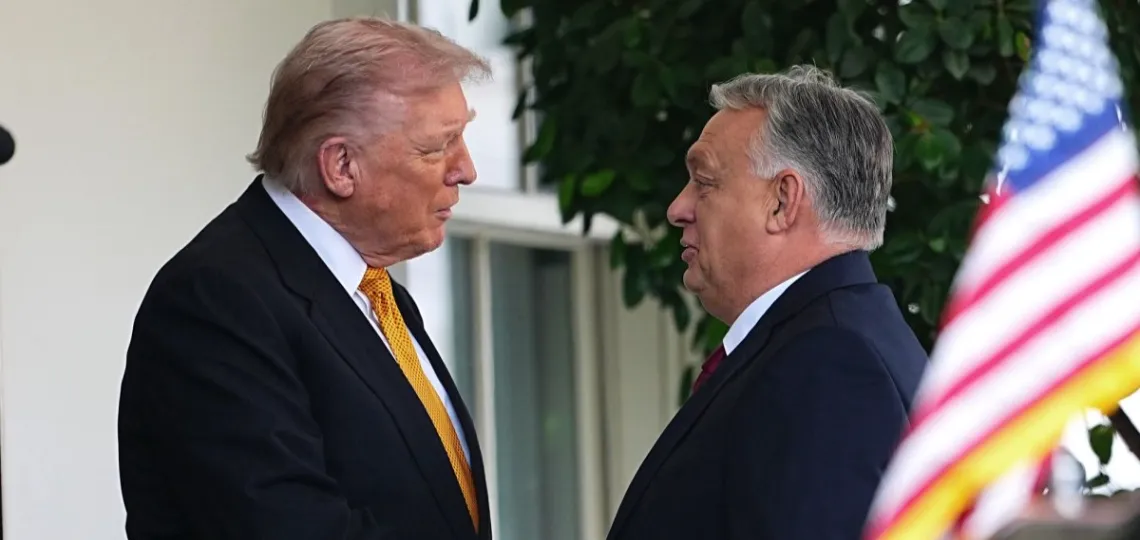
Hungarian Prime Minister Viktor Orban has secured a temporary exemption from US sanctions on Russian oil, allowing Hungary to continue crude imports despite restrictions imposed on Moscow. The deal reflects the delicate balance between energy diplomacy and political interests ahead of upcoming elections in Hungary.
The one-year waiver follows recent US measures targeting Rosneft and Lukoil, Russia’s leading oil producers. Due to its high dependence on Russian crude and lack of seaport access, Hungary argued for an exception to ensure the stability of its energy supply.
A geopolitical energy compromise
In exchange, Budapest committed to purchasing approximately $600mn of US liquefied natural gas (LNG). This move aims to rebalance Hungary’s energy dependence and strengthen bilateral cooperation with Washington. A US official stated that the waiver’s duration may be reassessed depending on Hungary’s compliance with international sanctions commitments.
Hungarian Minister of Foreign Affairs Peter Szijjarto welcomed the decision, stating that it ensures national energy security. The agreement comes amid growing economic pressure and ongoing tensions between Budapest and Brussels, particularly over rule-of-law and migration policy issues.
Political ties and diplomatic tensions
Viktor Orban and Donald Trump have maintained a close political relationship for years. The Hungarian Prime Minister, who has visited the former president multiple times at his Mar-a-Lago residence, enjoys strong support from Washington despite persistent disagreements with the European Union.
The US president publicly called on European institutions to “respect” Hungary, praising Orban’s migration policy. This political alignment has reignited debates over a possible conflict of interest between diplomatic positioning and economic interests.
An ambiguous signal for the European Union
The US decision raises questions about the consistency of Western sanctions against Russia. By allowing Hungary to import Russian oil, Washington introduces an exception that may undermine the European Union’s unified stance on Moscow.
Additionally, the announced closure of a US-funded Hungarian media outlet has been perceived as a political gesture in favour of Orban’s government. This move, alongside the energy exemption, highlights the growing intersection of national interests, energy policy, and electoral considerations.