Australia: Coal mine expansion threatens energy targets
The Australian government is extending the operation of three coal mines, raising questions within the energy sector about the impact of this decision on climate commitments and the transition to renewable energies.
| Sectors | Coal |
|---|---|
| Themes | Policy & Geopolitics, Energy Security |
| Countries | Australia |
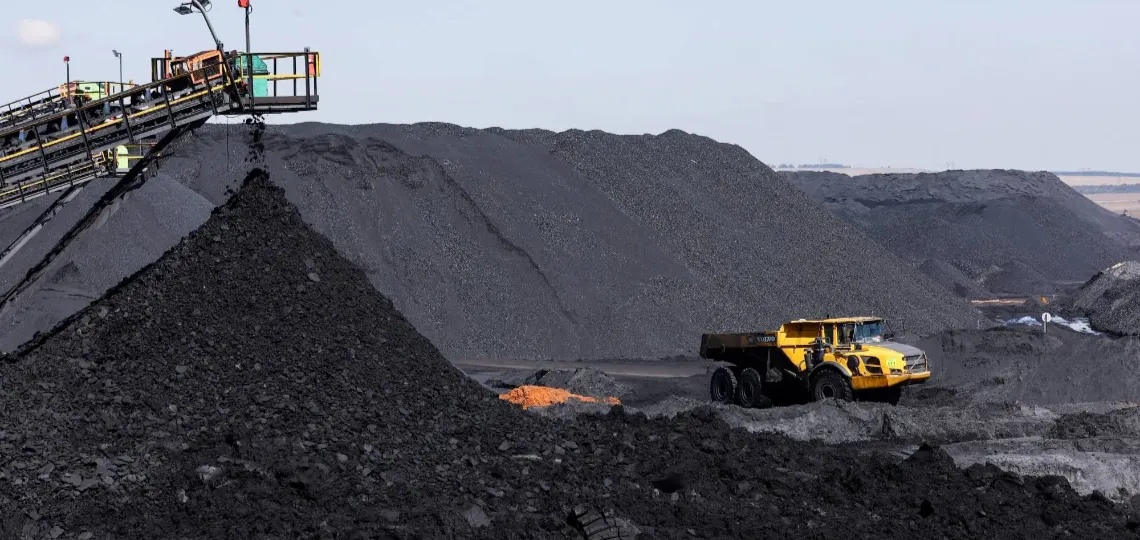
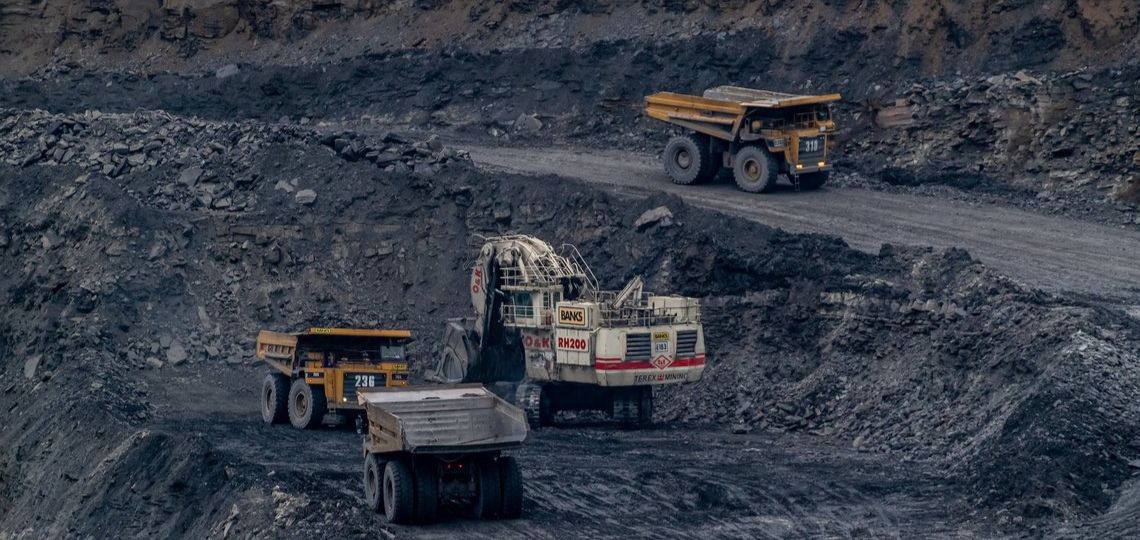
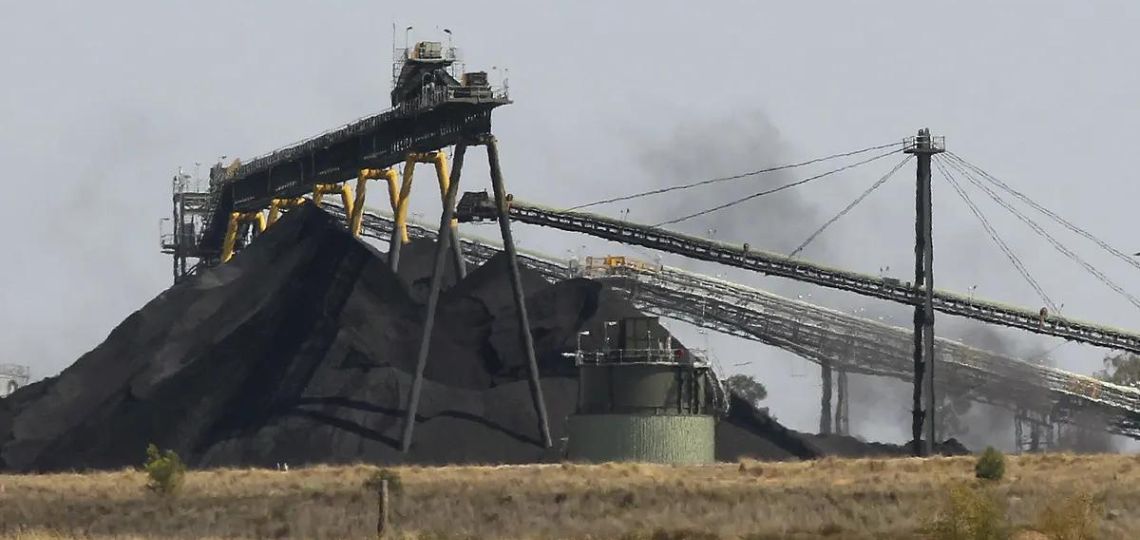
The Australian government recently approved the extension of three coal mines in the Hunter Valley and Narrabri.
These sites will now be able to remain operational for a further eight to twenty-two years.
This decision comes at a time when Australia is committed to reducing its greenhouse gas emissions and promoting the energy transition.
The mines concerned play an important role in the local economy, but their extension raises strategic questions.
Energy sector professionals are assessing the potential impact on the country’s climate objectives.
Industry players are questioning the implications of this extension on environmental commitments. Continued coal mining, Australia’s main source of fossil fuels, could jeopardize the country’s goal of carbon neutrality by 2050.
Experts fear that this decision could send a contradictory signal to international investors.
The coherence of Australia’s energy policy is thus called into question.
Impact on Australia’s energy transition
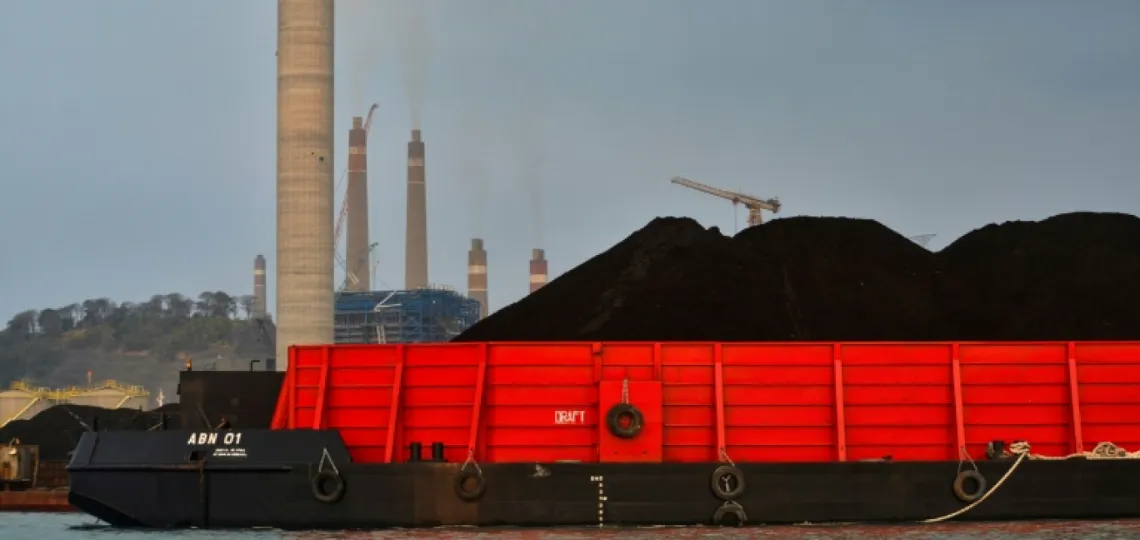
Australia is one of the world’s leading exporters of coal, and this resource remains dominant in its power generation.
The extension of the Hunter Valley and Narrabri mines raises questions about the country’s energy strategy.
Alternative energy sources, such as solar and wind power, are struggling to keep pace with the predominance of coal.
To meet the commitments made during the 2022 elections, the government needs to speed up the development of renewable energy infrastructures.
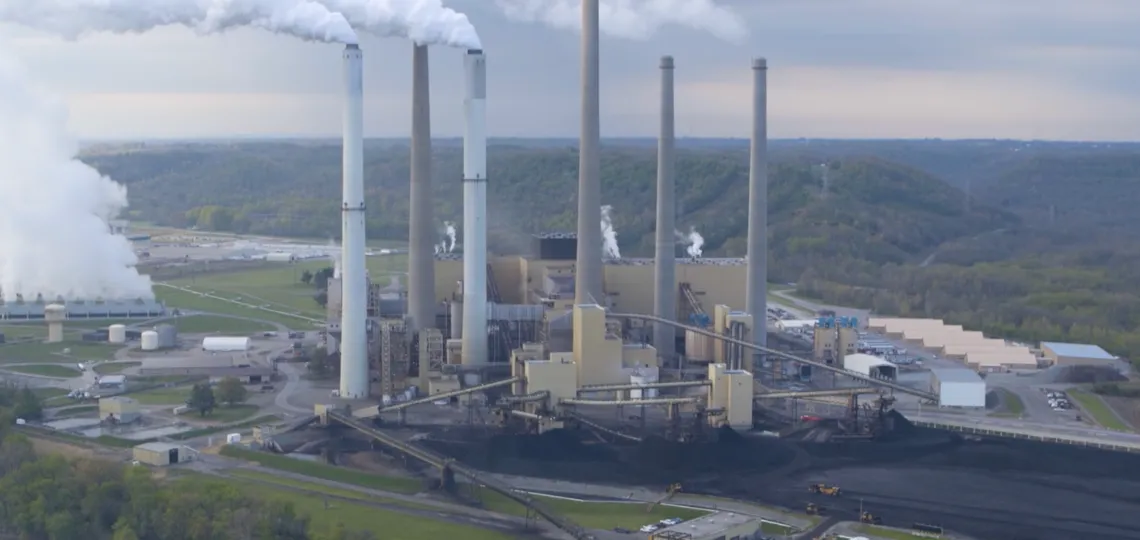
The scheduled closure of the majority of the 16 coal-fired power plants requires careful planning.
Without an effective transition, the country risks facing energy security challenges.
Reactions from economic and political players
On the business side, some see this extension as an opportunity to maintain jobs and support the regional economy.
The Hunter Valley, known for its wine-growing and mining sectors, relies heavily on coal mining.
However, other stakeholders point to the risk of delaying the adoption of cleaner technologies, essential to remain competitive on the international market.
On the political front, the government claims that the decision respects national environmental laws.
A spokesperson for the Minister for the Environment, Tanya Plibersek, said that the facts and legislation guided this choice.
Nonetheless, this position is prompting debate within the energy sector about the need for a long-term vision.
Outlook for the energy market
The extension of coal mining operations could influence the decisions of foreign investors.
With increasing attention being paid to environmental, social and governance (ESG) criteria, capital could flow towards markets more committed to the energy transition.
This trend could have an impact on the financing of energy projects in Australia.
It is crucial for the country to strike a balance between current energy needs and environmental imperatives.
Experts suggest that the government must encourage innovation and the adoption of green technologies.
Without a clear strategy, Australia risks missing the opportunity to play a major role in the changing global energy landscape.
Challenges and opportunities for the future
The decision to expand coal mining highlights the complex challenges facing Australia.
The energy sector is at a crossroads, where current choices will have lasting consequences for the economy and the environment.
Professionals are calling for a balanced approach, combining economic reality with the demands of the energy transition.
There is no shortage of opportunities for the country, which has abundant renewable energy resources.
Developing these resources could not only help meet climate targets, but also create new jobs and stimulate innovation.
The energy sector is closely monitoring the government’s forthcoming energy policy decisions.
The extension of Australia’s coal mines raises vital questions about the country’s energy future.
As the world moves towards more sustainable solutions, Australia must navigate between its industrial traditions and the imperatives of an evolving market.
Decisions taken today will shape the energy and economic landscape for decades to come.