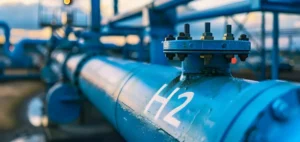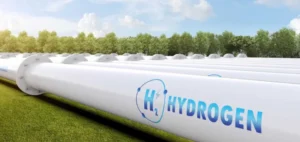

The company GASCADE Gastransport GmbH has announced the commissioning of a 400-kilometre section of its network, now dedicated to hydrogen transport. This conversion, carried out using former gas pipelines, is part of the Flow – making hydrogen happen programme, which aims to establish a key hydrogen corridor between northern and eastern Germany. The infrastructure forms a central segment of the German hydrogen core network and is immediately available to industrial users.
Technical transformation of existing infrastructure
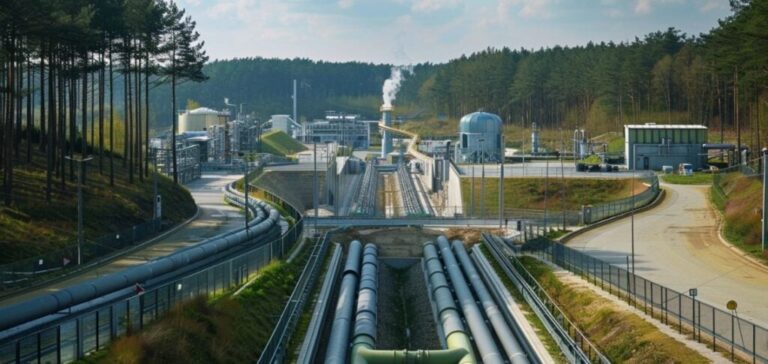
The project is based on the conversion of natural gas infrastructure, with a diameter of 1.4 metres, to enable the safe transport of hydrogen. This approach reduces construction costs compared to new installations. The operation has allowed GASCADE to rapidly provide transport capacity along a strategic axis, facilitating access to an alternative energy source for German industry. The network extends from the Baltic Sea region to Saxony-Anhalt, at the heart of eastern industrial zones.
Access to imports and local production
The corridor is designed to receive hydrogen from multiple sources, including international imports via the port of Rostock and local production in northern Germany, particularly around the Lubmin site. The infrastructure already incorporates a European outlook, with planned connections to neighbouring countries. This positioning strengthens Germany’s role in developing the cross-border hydrogen market.
A foundation for industrial deployment
The company highlights that this operational network offers planning security for industrial stakeholders seeking to integrate hydrogen into their processes. By facilitating the availability of significant volumes, GASCADE aims to support the deployment of hydrogen in German industry. This project marks a step in the structuring of the national network, relying on existing resources to meet a growing demand for compatible infrastructure.