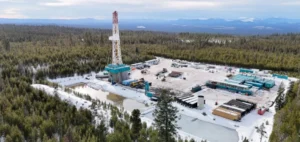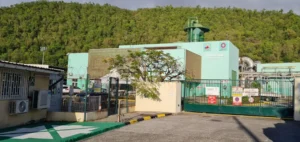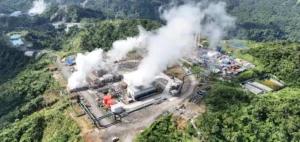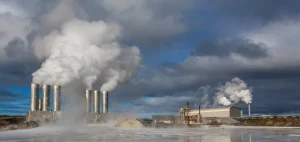

The Slatina-3 geothermal exploration field, located in north-eastern Croatia, has changed hands following the bankruptcy of Dravacel, formerly owned by Cindrigo Geothermal. The asset was acquired for €400k by Jordan Alexander Oxley, a Canadian investor and managing director of Green Energy Geothermal, a subsidiary of Energy Co-Invest Global Corp.
Project background and asset profile
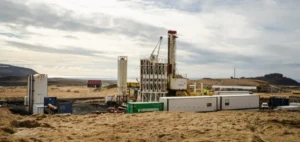
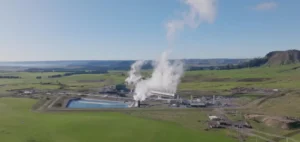
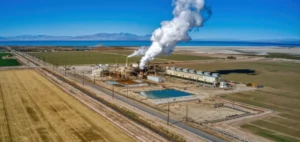
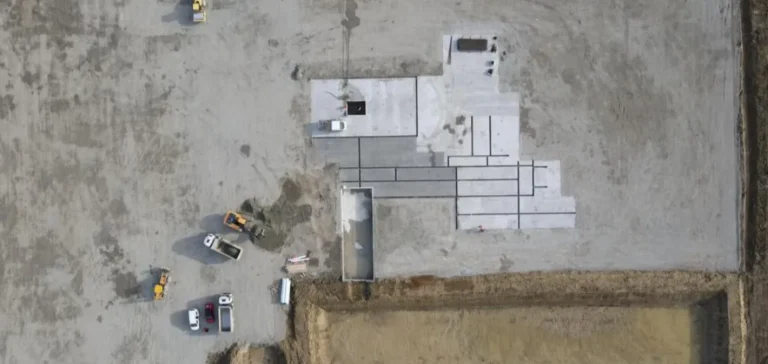
Slatina-3 targeted the development of a 20 MW geothermal power plant on a site historically used for oil exploration. Preliminary works had already been carried out, including wellpad construction and engineering contracts. Despite this, the Croatian Hydrocarbon Agency (CHA) revoked the exploration permit following Dravacel’s liquidation.
The sale process, governed by Croatian commercial insolvency law, set a starting price of €200k, well below the €4mn previously invested by Cindrigo. Oxley, the sole bidder, submitted an offer that doubled the initial amount, confirming a strategy targeting distressed assets.
Buyer profile and intended strategy
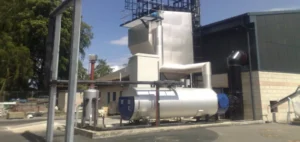
Jordan Oxley has an established background in energy infrastructure projects, with a portfolio that includes 15 modular plants developed in Kenya and Iceland. Green Energy Geothermal’s technology model relies on prefabricated, modular production units designed to reduce timelines and initial capital expenditure.
The personal acquisition of Slatina-3, rather than through a major utility, suggests an opportunistic investment strategy, focused on technical and legal restructuring of the project. This approach could later lead to partial or full divestment to an industrial player or infrastructure fund.
Regulatory risks in Croatia
Geothermal energy in Croatia is regulated under both the Electricity Market Act and the Hydrocarbon Exploration and Exploitation Act, which complicates the permitting process. The Croatian Renewable Energy Association has highlighted administrative burdens as a recurring obstacle to project progress.
Cindrigo publicly criticised the transparency of CHA. Its withdrawal from the Croatian project coincides with a pivot to German assets, which benefit from a more predictable regulatory framework, as part of the company’s plan to pursue a listing on the London Stock Exchange.
Economic and industrial implications
The transaction grants Oxley access to a high-potential project but without an active permit. Profitability will depend on securing a new exploration licence, negotiating a power purchase agreement with the renewable energy operator HROTE, and managing access to Croatia’s geothermal supply chain.
The revival could lead to a “shovel-ready” project, potentially sellable once the permit is restored. For the local sector (drilling, civil engineering, district heating), restarting Slatina-3 would create additional work, especially after the shutdown of the Velika Ciglena plant, which also went bankrupt.
Impact on Croatia’s geothermal sector
The setbacks at Dravacel and Velika Ciglena raise concerns about Croatia’s ability to execute geothermal projects. However, the state has continued to issue tenders, with four new zones opened in 2024, indicating a sustained interest in the sector.
Slatina-3 could be repositioned with a modular configuration of smaller-capacity units (2–5 MW), reducing upfront investment needs and aligning better with Croatia’s regulatory environment. A successful relaunch could attract other investors specialised in infrastructure restructuring.
Strategic implications for stakeholders
For Cindrigo, exiting Slatina-3 relieves financial commitments but highlights limitations in managing multi-jurisdiction regulatory risk in Southeast Europe. For Oxley and his partners, successfully restarting the asset could boost their European presence and attract capital for similar geothermal ventures.
For the European Union, the challenge is dual: securing low-carbon baseload capacity while relying on specialised private capital in high-risk jurisdictions, which may reduce its ability to independently shape its energy transition strategy.