The new Tanawon geothermal site adds 22 MW to the Philippine energy grid
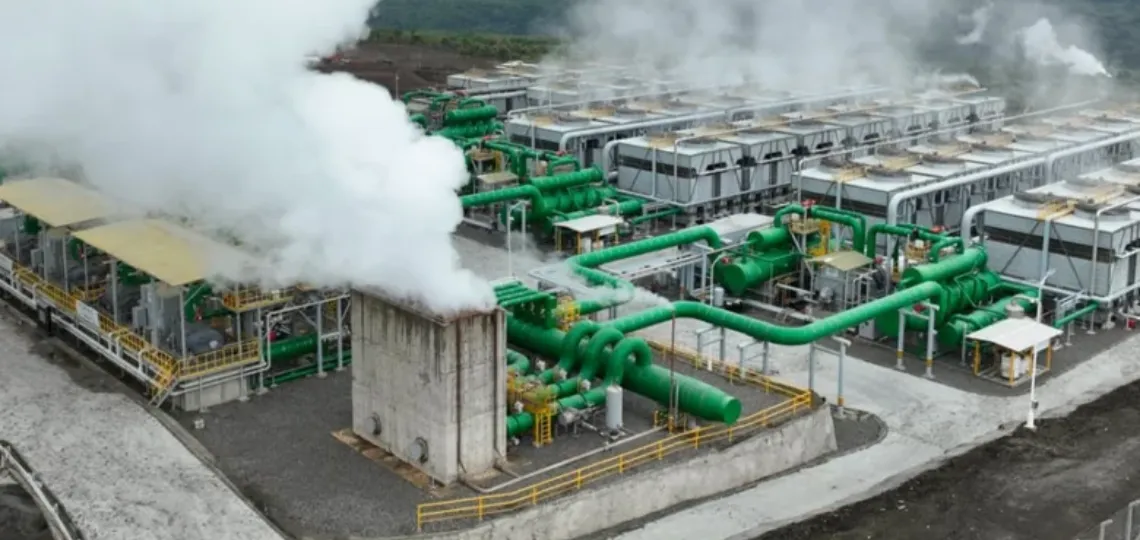
The inauguration of the Tanawon geothermal site, with a capacity of 22 megawatts, marks a milestone in the expansion of the Philippines’ energy park with local solutions of low carbon footprint.
| Sectors | Geothermal Energy, Deep Heat |
|---|---|
| Themes | Regulation & Governance, Public Policy |
| Countries | Philippines |
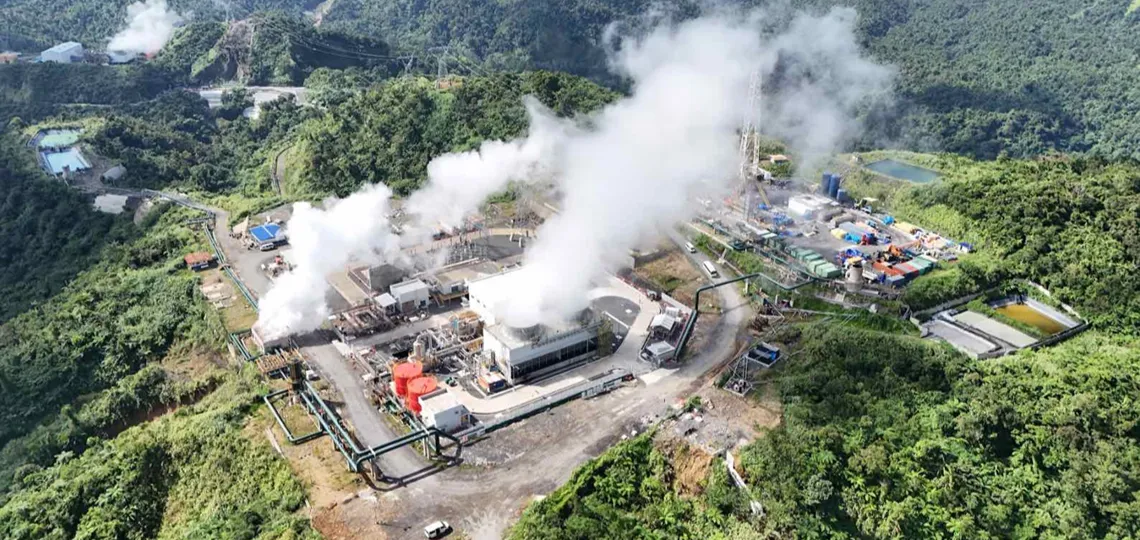
The Tanawon geothermal site, with an installed capacity of 22 megawatts (MW), has just been inaugurated in the Bac-man complex, Sorsogon City, under the supervision of the Philippines’ Department of Energy (DOE). This plant, developed by Energy Development Corporation (EDC), is part of the national plan to diversify the energy supply and strengthen the country’s energy independence.
Capacity deployment and sector objectives
The DOE presented the plant as a significant contribution to sector targets for 2030, which calls for a 35% share of renewable energy in the energy mix, then 50% by 2040. This project benefits from the status of Certificate of Energy Project of National Significance (CEPNS), attesting to its key role in supply strategy and network security.
CEPNS recognition allows for administrative prioritisation in obtaining permits and access to transport infrastructure, a measure designed to accelerate the development of large-scale energy infrastructure. The DOE highlighted the importance of this certification to ensure reliable supply while meeting the growing demand for industrial and residential consumption.
Reforms and incentives for the geothermal sector
During the inauguration ceremony, the Department of Energy highlighted recent reforms, such as the Green Energy Option Program, which offers consumers the possibility to choose the origin of their electricity. The Green Energy Auction Programme, implemented by the authorities, aims to secure private investment by promoting an auction process for renewable production.
Another initiative, the Geothermal De-risking Facility, will soon be launched to support the development of geothermal resources and reduce financial risks for investors. This measure should facilitate the prospecting and exploitation of new deposits, consolidating the role of geothermal energy in the national energy transition.
The construction and commissioning of the Tanawon site demonstrate the willingness of the public sector and private players to energise the geothermal sector. This development comes in a context of demographic growth and a constant increase in national energy needs, decisive factors for the future of the Philippine energy mix.