Baker Hughes joins CTR for a mega geothermal project in California
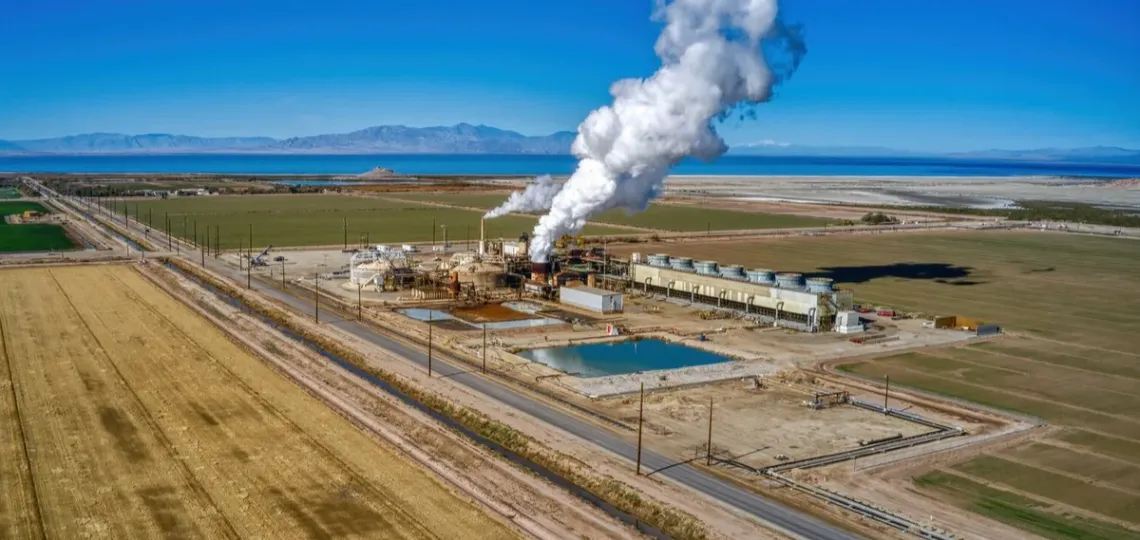
Baker Hughes joins the development of the second phase of the Hell’s Kitchen project in California, targeting 500 megawatts of geothermal energy to power energy-intensive data centres.
| Sectors | Geothermal Energy, Deep Heat |
|---|---|
| Themes | Investments & Transactions, Commercial Partnerships |
| Companies | Baker Hughes |
| Countries | United States |
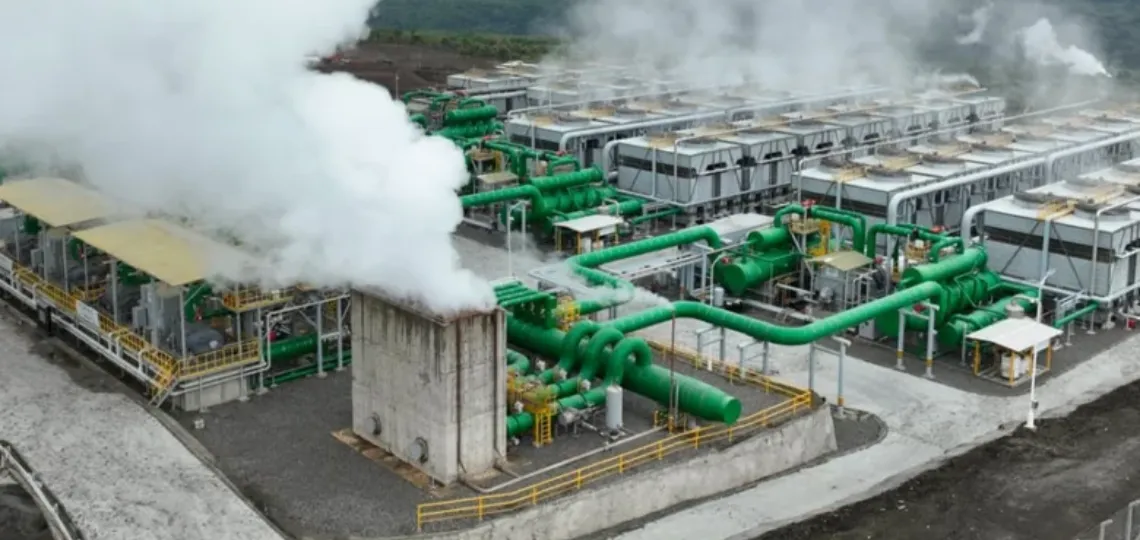
Oilfield services group Baker Hughes has partnered with Controlled Thermal Resources (CTR) to accelerate the development of one of the world’s largest geothermal projects, located in Imperial County, California. This partnership comes as electricity demand from data centres reaches record levels in the United States, driven by the rapid growth of artificial intelligence technologies.
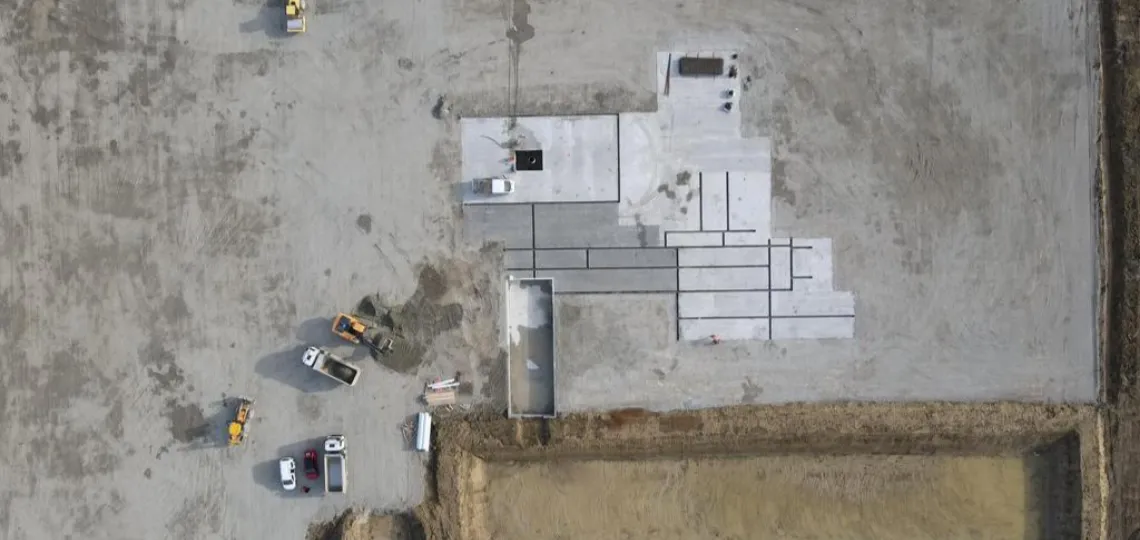
CTR has been developing its Hell’s Kitchen project, which combines geothermal power generation and critical mineral extraction, for more than a decade. The privately held company holds about 4,500 acres (18.2 square kilometres) around the Salton Sea for this initiative. The second phase of the project is expected to deliver 500 megawatts, enough to power roughly 375,000 homes.
Oilfield technologies applied to geothermal energy
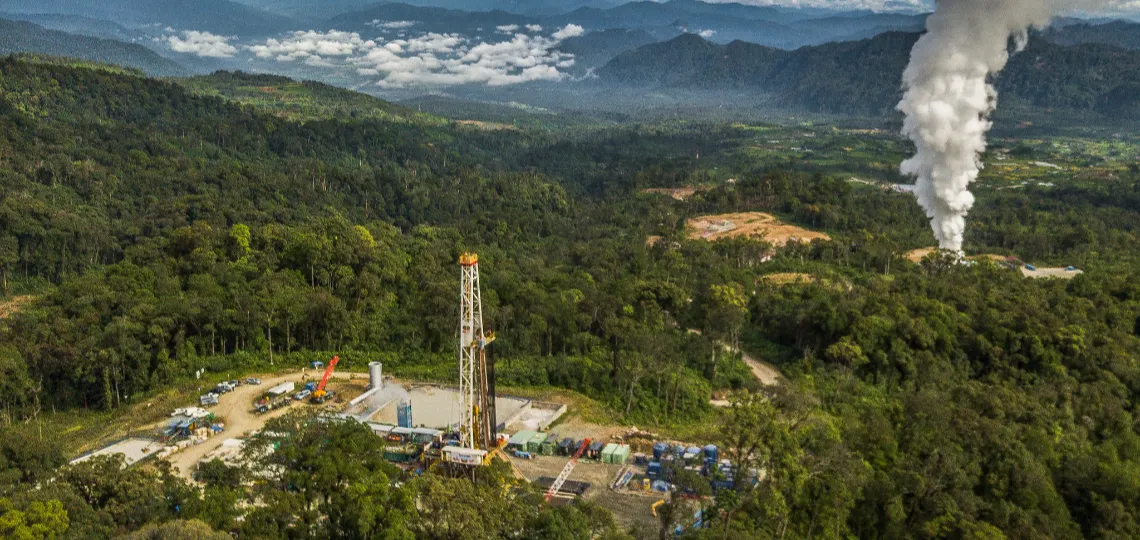
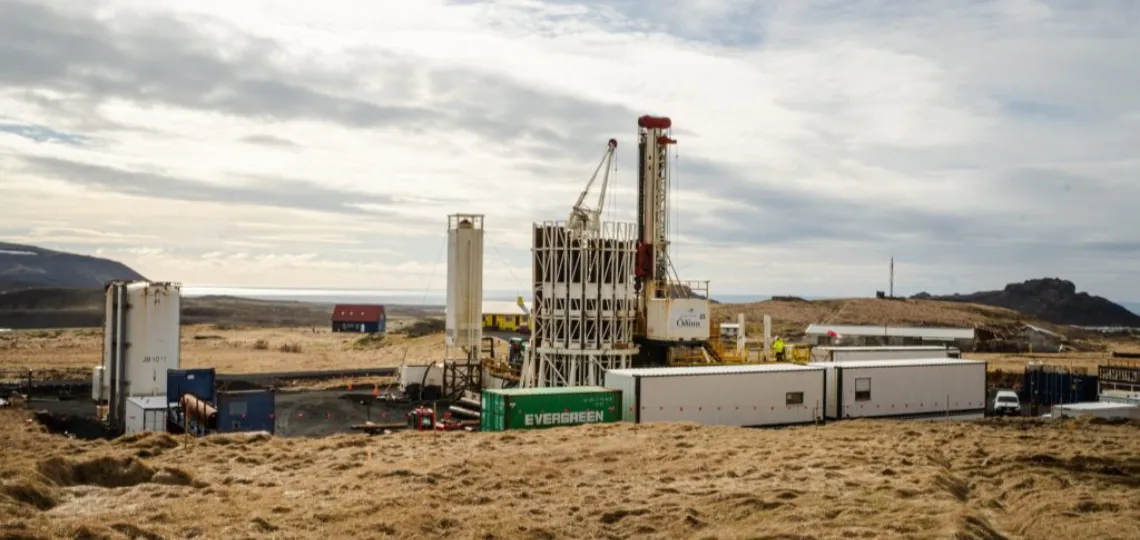
As part of the agreement, Baker Hughes will provide its high-temperature drilling technologies, historically used in oilfields, to optimise project costs. Power systems and specialised services will also be deployed. CTR Chief Executive Officer Rod Colwell stated that Baker Hughes’ technical expertise represents a decisive lever for the project’s success. The U.S. group will also support capital raising for the initiative.
The first phase of the project, designed to produce 50 megawatts, has already been contracted to the local electricity utility, with commercial operations expected in 2027. CTR indicated that the final investment decision for this initial tranche is currently under review.
Renewed interest driven by Silicon Valley
Although geothermal energy accounts for less than 0.5% of total U.S. electricity generation, its appeal is rising as technology companies seek reliable and lower-carbon sources of power. In June, Meta signed purchase agreements for advanced geothermal energy in New Mexico, while Google reached a similar deal in Nevada in 2024.
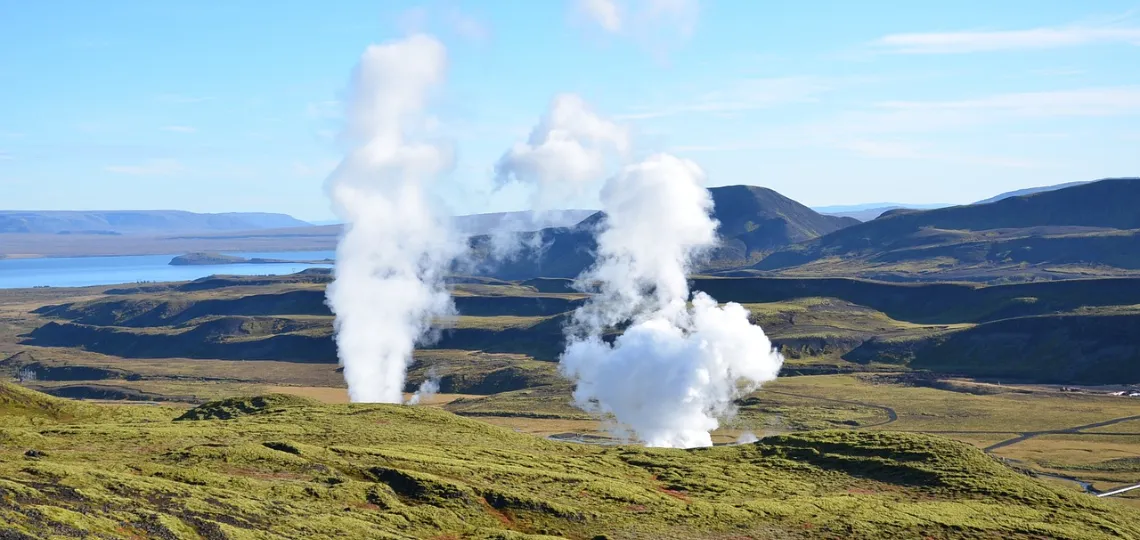
The technology involves drilling deep wells to extract extremely hot brine, producing steam that drives turbines. According to the Energy Information Administration, geothermal plants emit about 99% less carbon dioxide than fossil fuel plants.
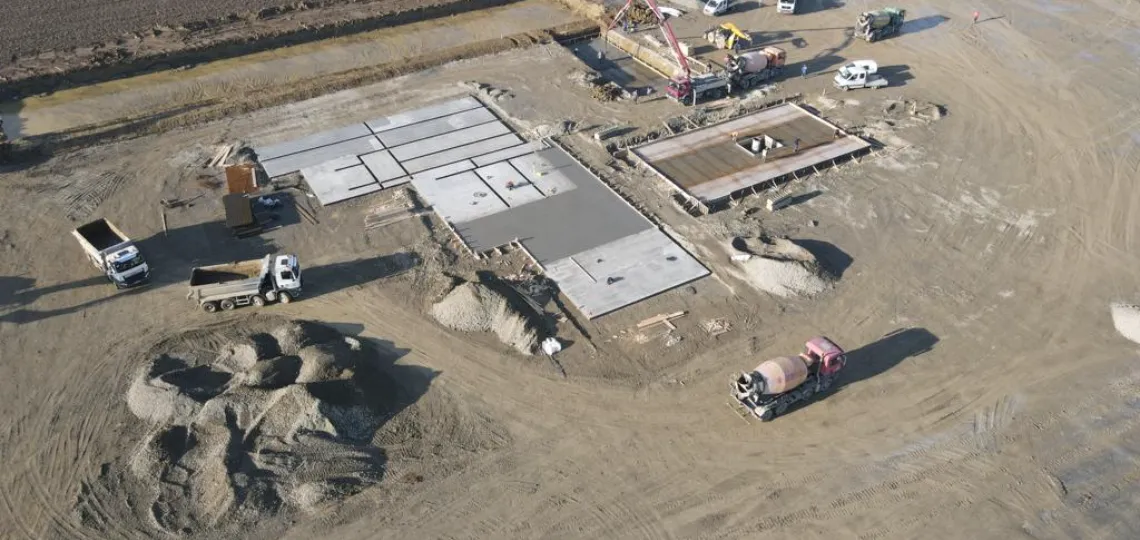
The second phase of the Hell’s Kitchen project, now involving Baker Hughes, could begin commercial operations in the late 2020s, depending on financing and construction progress.