
Lhyfe, a French green hydrogen producer listed on Euronext, has announced the signing of a supply contract with a private German fuel station operator. The agreement includes the delivery of 90 tonnes of renewable hydrogen certified as RFNBO (Renewable Fuels of Non-Biological Origin) over a 15-month period. This hydrogen will be used to fuel several dozen buses operating from private-use service stations.
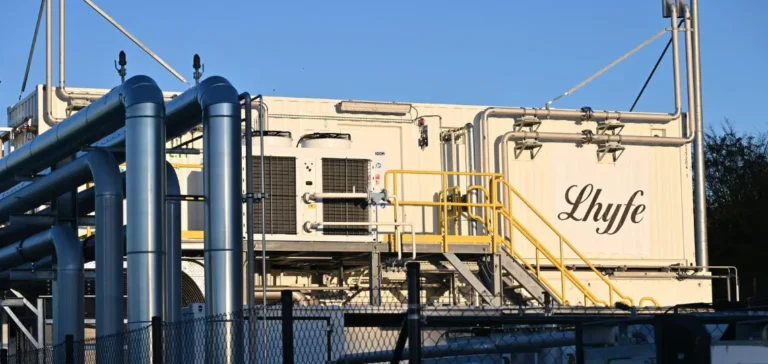
Delivery will be handled from the recently inaugurated site in Schwäbisch Gmünd, in southern Germany. This facility is currently Lhyfe’s largest commercial hydrogen production site in Germany, further strengthening the company’s industrial presence in the market. The volume supplied will support heavy-duty mobility, a sector where hydrogen is considered a low-emission logistical alternative.
A German market in search of low-carbon alternatives
This contract reflects the momentum of the German market in transitioning energy use within transport. Germany has adopted a national hydrogen strategy aimed at reducing dependence on imported fossil fuels, particularly in sectors that are difficult to electrify, such as public transport. The growing demand for RFNBO hydrogen, produced from renewable electricity, is part of this broader political and industrial effort.
By establishing a strong presence within this regulatory framework, Lhyfe aims to meet part of this emerging demand. The signed contract also confirms the company’s ability to secure regular commercial outlets beyond its home market. No financial details of the agreement were disclosed.
Industrial expansion and progressive contractualisation
This development is part of Lhyfe’s strategy to multiply industrial partnerships around green hydrogen, with a particular focus on heavy mobility. The company is currently expanding its production capacity in several European regions, aiming to strengthen the local integration of renewable energy supply.
According to the announced terms, deliveries will begin shortly, although no specific start date has been made public. The progressive contractual model used by Lhyfe is based on multi-month commitments, providing visibility on volumes and logistics. This type of agreement represents a form of commercial stabilisation for projects still largely in development.