The federal government launches a CAD3mn call for proposals to fund Indigenous participation in energy and infrastructure projects related to critical minerals.
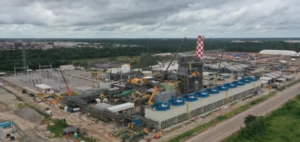
New Fortress Energy has initiated the initial ignition of its 624 MW CELBA 2 power plant in Brazil, starting the commissioning phase ahead of commercial operations expected later this year.
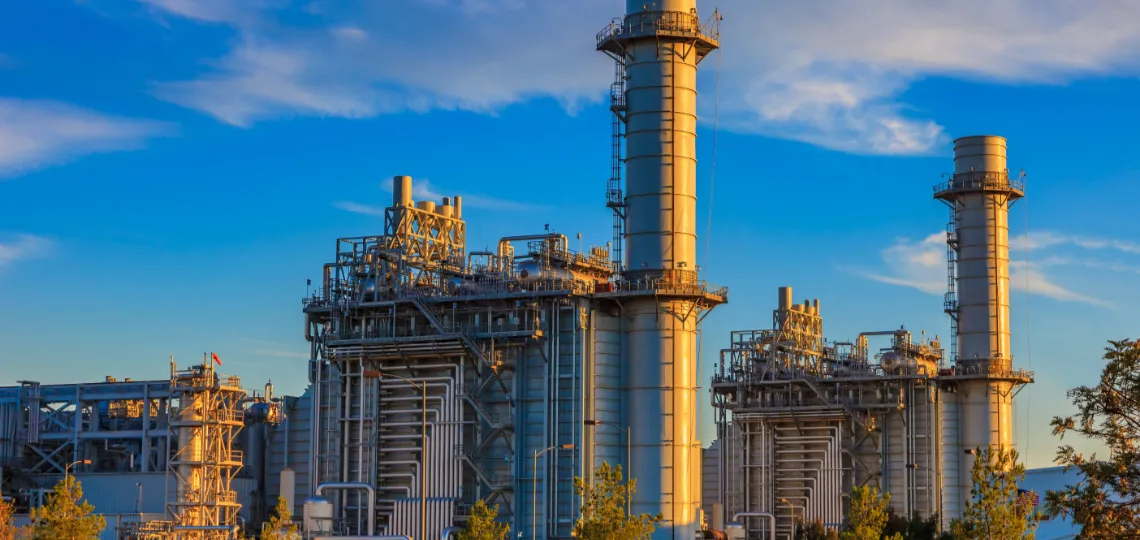
Talen Energy launches $1.2bn debt financing and expands credit facilities to support strategic acquisitions of two combined-cycle natural gas power plants.
Ameresco secured a $197mn contract with the U.S. Naval Research Laboratory to upgrade its energy systems across two strategic sites, with projected savings of $362mn over 21 years.
Arkansas has appointed Excel Services to analyse the economic, technological and logistical outlook of a new nuclear programme, with results expected within ten months.
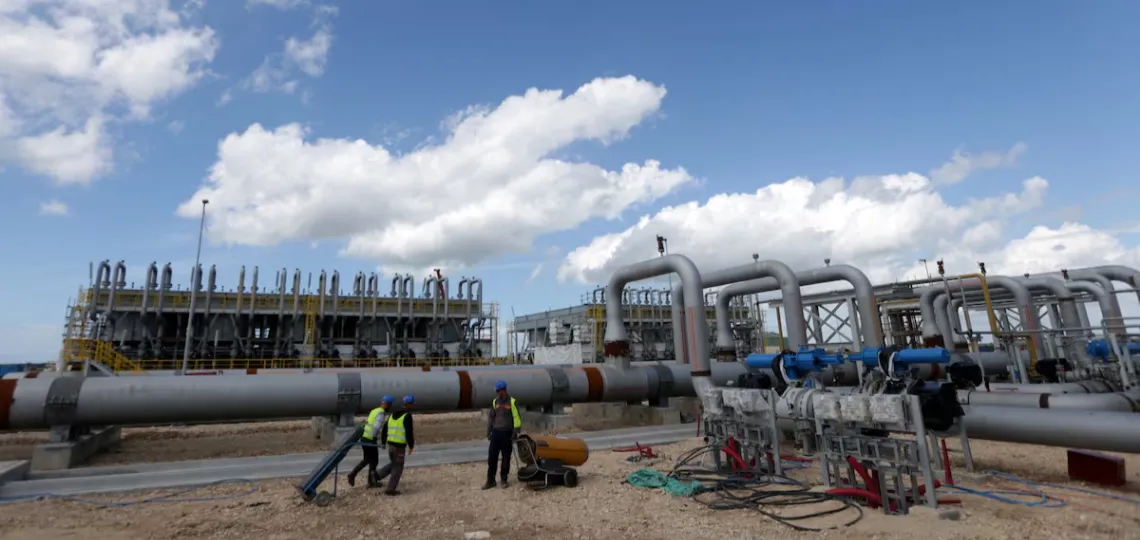
Hungarian oil group MOL and Croatian operator JANAF are negotiating an extension of their crude transport agreement as the region seeks to reduce reliance on Russian oil.
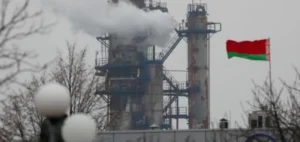
Rail shipments of Belarusian gasoline to Russia surged in September as Moscow sought to offset fuel shortages caused by Ukrainian attacks on its energy infrastructure.
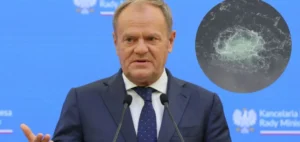
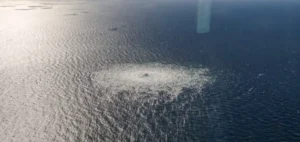
Polish Prime Minister Donald Tusk said it was not in Poland’s interest to extradite to Germany a Ukrainian citizen suspected of taking part in the explosions that damaged the Nord Stream gas pipelines in 2022.
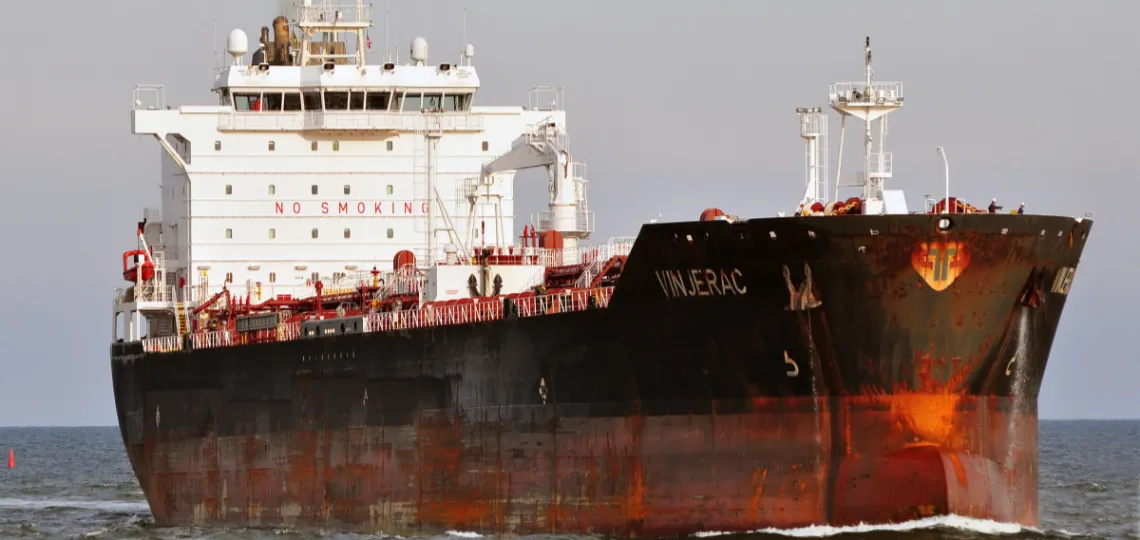
Denmark is intensifying inspections of ships passing through Skagen, a strategic point linking the North Sea and the Baltic Sea, to counter the risks posed by the Russian shadow fleet transporting sanctioned oil.
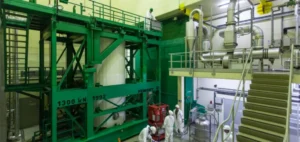
Operator Belgoprocess has received authorisation to build a new facility to store waste generated from the ongoing decommissioning of Belgium’s nuclear reactors.
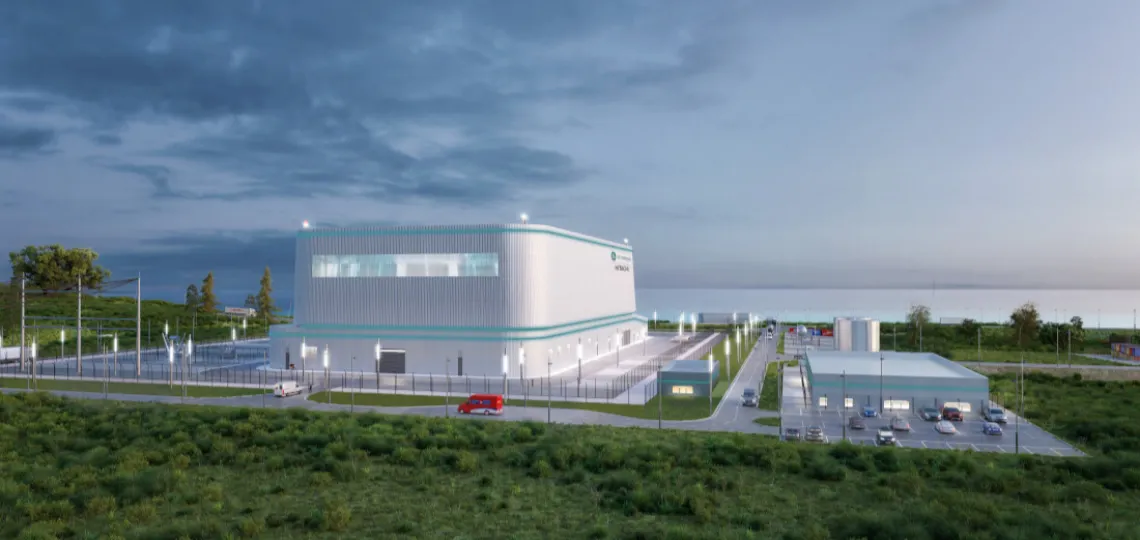
The British government has launched a consultation on the regulatory justification request for Rolls-Royce’s modular reactor, a decisive step towards its approval in the country’s nuclear market.
GVH and Samsung C&T join forces to accelerate international deployment of BWRX-300 small modular reactors, with a strong focus on Sweden and the consolidation of the nuclear supply chain.
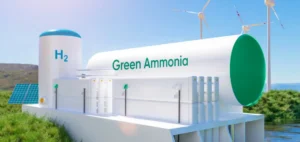
Green ammonia reaches a new industrial milestone with 428 active projects and over $11bn in investments, highlighting accelerated sector growth across Asia, the Middle East, Europe and the Americas.
Dubai's electricity authority strengthens its electric vehicle charging network through three major contracts with ENOC, Dubai Taxi and Parkin under its EV Green Charger programme.
Opportunities are emerging for African countries to move from extraction to industrial manufacturing in energy technology value chains, as the 2025 G20 discussions highlight these issues.
According to the International Energy Agency (IEA), global renewable power capacity could more than double by 2030, driven by the rise of solar photovoltaics despite supply chain pressures and evolving policy frameworks.
Nicola Mavilla succeeds Kevin McLachlan as TotalEnergies' Director of Exploration, bringing over two decades of international experience in the oil and gas industry.
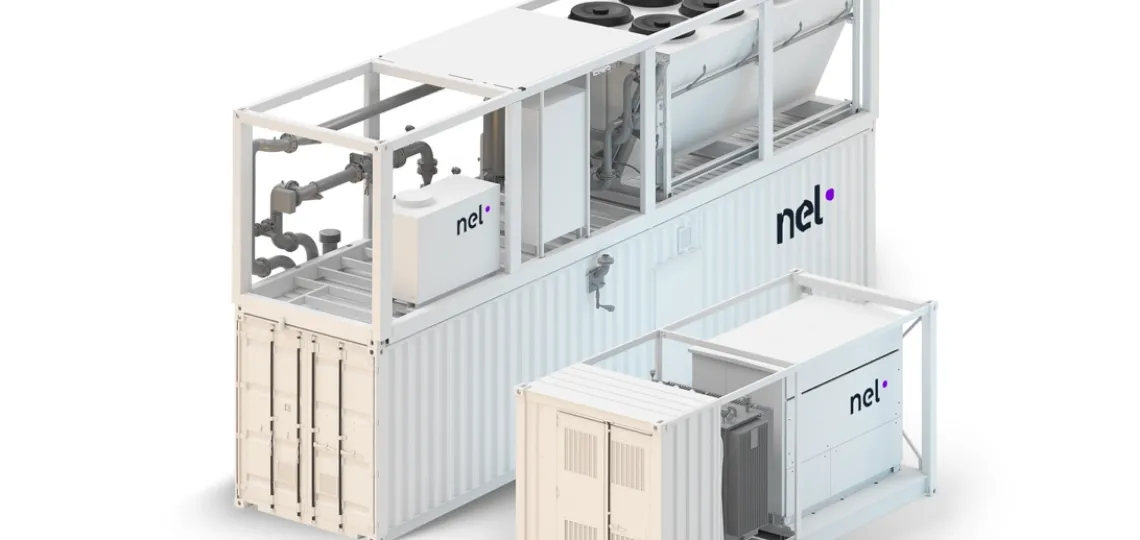
Nel Hydrogen US will supply a containerised electrolyser to H2 Energy for a hydrogen production facility commissioned by the Association for Waste Disposal in Buchs, Switzerland.
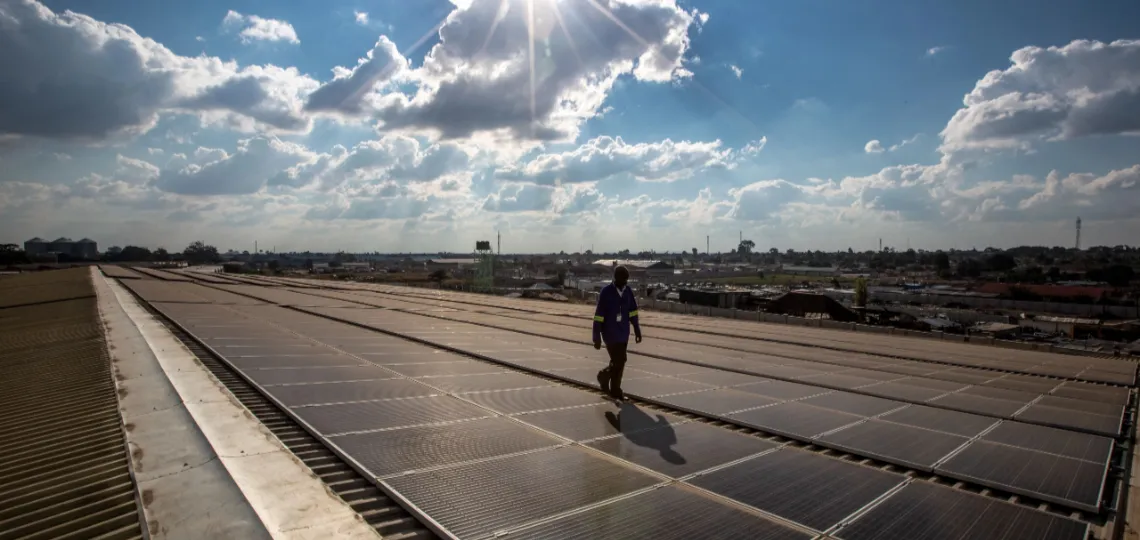
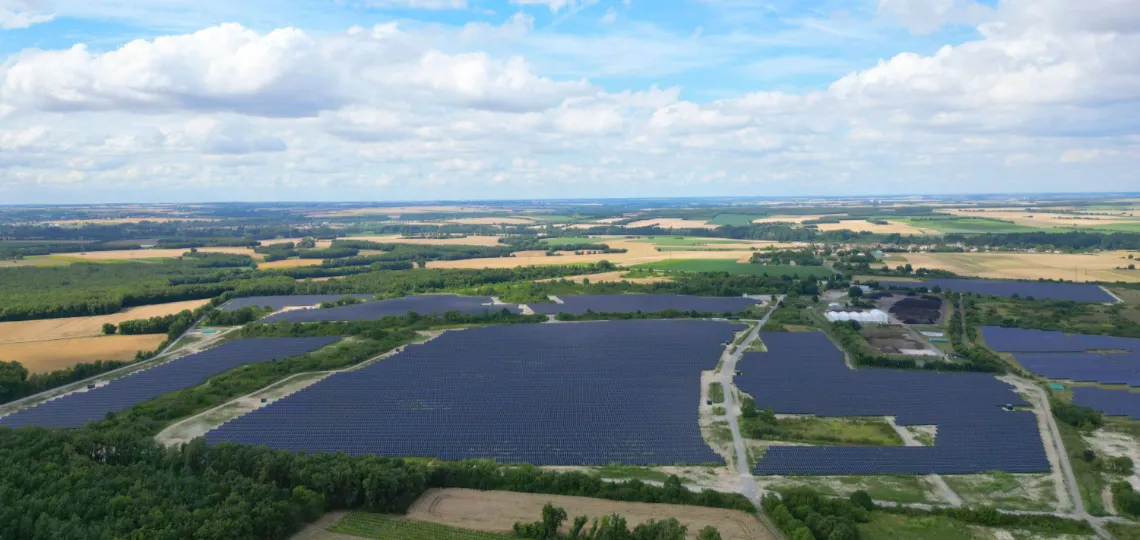
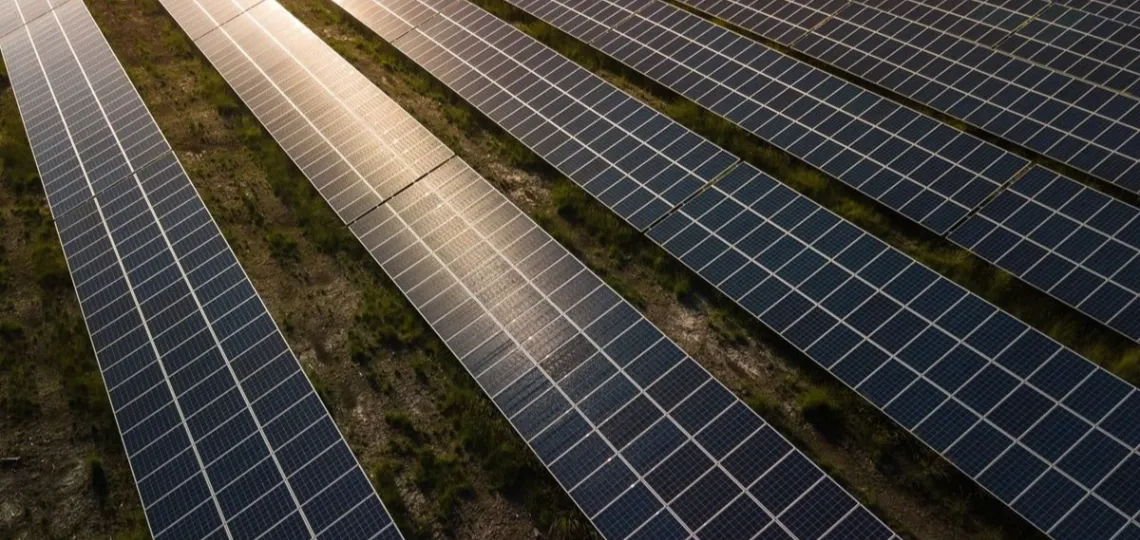
Mars signs a major contract with GoldenPeaks Capital to develop over 100 solar plants in Poland, aiming to power its European operations and supply chain with renewable electricity.
Driven by rising electricity demand and grid flexibility needs, natural gas power generation is expected to grow at an annual rate of 4.8% through 2030.
Sembcorp Salalah Power & Water Company has obtained a new 10-year Power and Water Purchase Agreement from Nama Power and Water Procurement Company, ensuring operational continuity until 2037.
Al-Harfi and SCLCO signed agreements with Syrian authorities to develop solar and wind capacity, amid an ongoing energy rapprochement between Riyadh and Damascus.
SNCF Voyageurs secures direct solar electricity supply from two plants owned by Octopus Energy and BayWa r.e., through 25-year agreements aimed at powering its rail network.
Eni North Africa restarts drilling operations on well C1-16/4 off the Libyan coast, suspended since 2020, aiming to complete exploration near the Bahr Es Salam gas field.
Ethiopia has begun construction of its first crude oil refinery in Gode, a $2.5bn project awarded to GCL, aimed at strengthening the country’s energy security amid ongoing reliance on fuel imports.
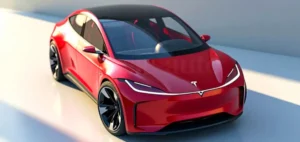
Tesla has announced an event scheduled for October 7, hinting at the arrival of a more affordable vehicle amid a limited product refresh and growing competition in the electric vehicle segment.
Dacia presents an ultra-compact electric prototype priced under €15,000, betting on extreme simplification to compete with low-cost Chinese electric vehicles.
QatarEnergy continues its international expansion by acquiring 27% of the offshore North Cleopatra block from Shell, amid Egypt’s strategic push to revive gas exploration in the Eastern Mediterranean.
China set a record for clean technology exports in August, driven by surging sales of electric vehicles and batteries, with more than half of the growth coming from non-OECD markets.
An analysis by Wood Mackenzie shows that expanding UK oil and gas production would reduce costs and emissions while remaining within international climate targets.
A €12mn technical grant will support STEG in supervising ELMED, the first submarine power cable between Tunisia and Italy, a strategic project co-developed with Italy’s TERNA and valued at €921mn.
The Kuwait Authority for Partnership Projects has shortlisted several companies for Phase III of the Al Dibdibah solar plant, with a net capacity of 500 MW.
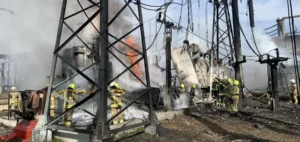
A night-time attack on Belgorod’s power grid left thousands without electricity, according to Russian local authorities, despite partial service restoration the following morning.
Polish authorities have 40 days to decide on the extradition of a Ukrainian accused of participating in the 2022 sabotage of the Nord Stream pipelines in the Baltic Sea.
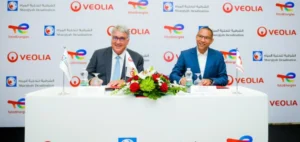
Veolia and TotalEnergies formalise a strategic partnership focused on water management, methane emission reduction and industrial waste recovery, without direct financial transaction.
China has established a clandestine oil-for-projects barter system to circumvent US sanctions and support Iran’s embargoed economy, according to an exclusive Wall Street Journal investigation.