Third-party ownership reaches 72% of US commercial solar market in 2024
The third-party ownership model dominates non-residential solar installations in the US, according to Wood Mackenzie, with 2.1 GWdc installed in 2024, a record driven by the rise of transferable tax credits.
| Sectors | Solar Energy, Photovoltaic |
|---|---|
| Themes | Markets & Finance, Sector Analysis |
| Companies | Wood Mackenzie |
| Countries | United States |
The third-party ownership (TPO) segment accounted for 72% of non-residential solar projects installed in the United States in 2024, according to the US commercial solar competitive landscape 2025 report published by Wood Mackenzie. This figure marks an increase from 69% in 2023, confirming the dominant position of this model in financing commercial and community solar installations.
Transferable tax credits drive the TPO model
According to Wood Mackenzie, the growth of the TPO segment is supported by the evolution of the transferable tax credit market, which offers developers less complex, lower-cost and more flexible monetisation options. “The maturation of the tax credit transferability market is driving growth in third-party ownership,” said Amanda Colombo, Research Associate at Wood Mackenzie. “Small and medium-scale project developers report that transferability has simplified third-party financing.”
In 2024, Nexamp held the largest TPO market share with 7%, followed by Summit Ridge Energy at 6.5% and Standard Solar at 5.3%. Wood Mackenzie expects the TPO model to rise to 74% by 2026, before declining gradually to 62% by 2029.
New record for commercial solar installations
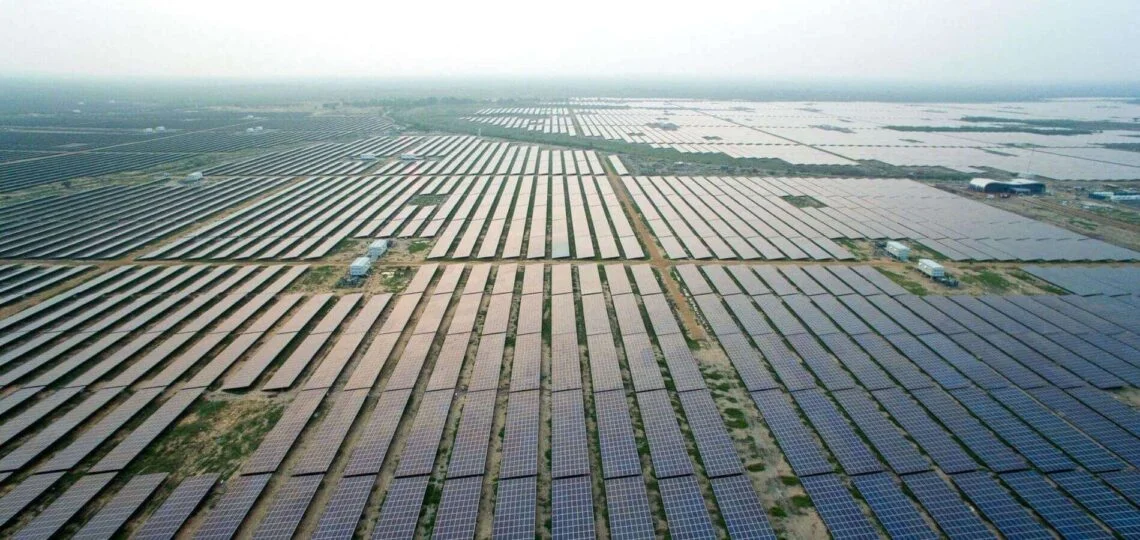
The US commercial solar market reached a new high in 2024 with 2.1 GWdc of capacity installed, supported by key states such as California, Maine and Illinois. This performance represents an 8% year-over-year growth, driven by rising electricity prices and the extended impact of the Inflation Reduction Act.
Over the next five years, Wood Mackenzie forecasts the addition of more than 11 GWdc of new commercial solar capacity across the United States. This expansion is attributed to the momentum of emerging regional markets, where low development costs, land availability and untapped solar potential are enabling the development of new projects.
Emerging markets in the Midwest and Southeast expand
The Midwest and Southeast regions, historically less active in commercial solar, are experiencing notable growth. These areas benefit from a combination of reduced costs and favourable conditions for deploying medium-scale solar projects.
“Emerging solar state markets across the country are experiencing a surge in installations,” said Amanda Colombo. “Favourable factors such as available land and untapped solar potential are driving the deployment of new capacity, particularly in less developed states in the Midwest and Southeast.”